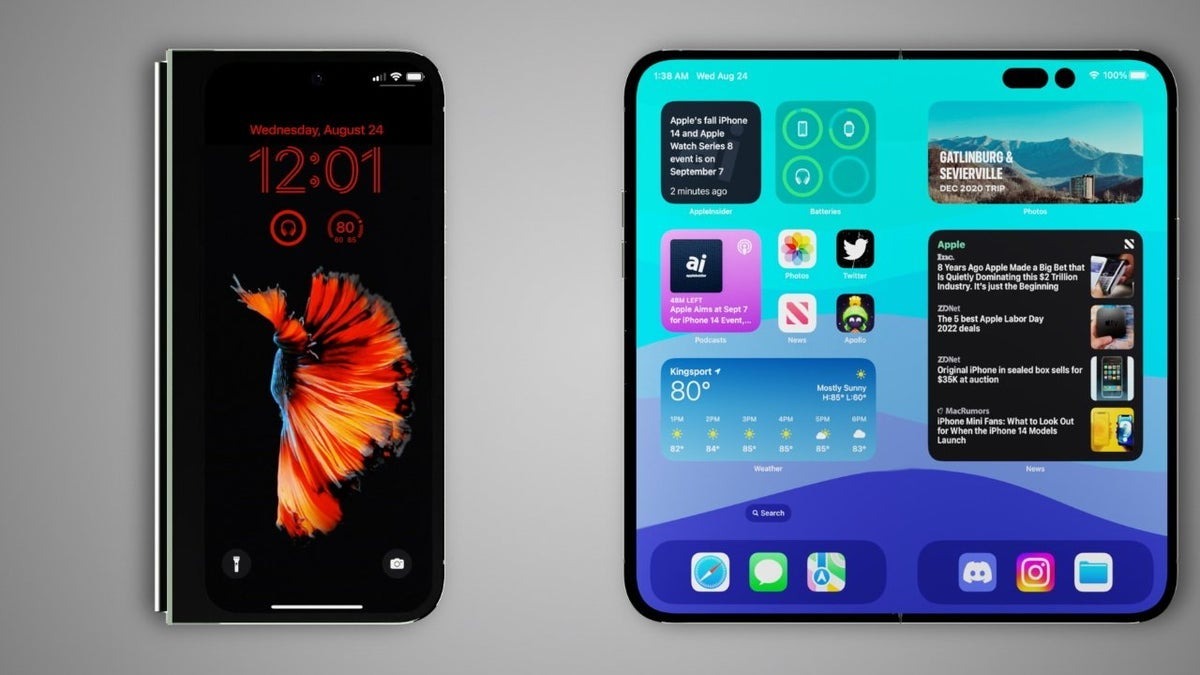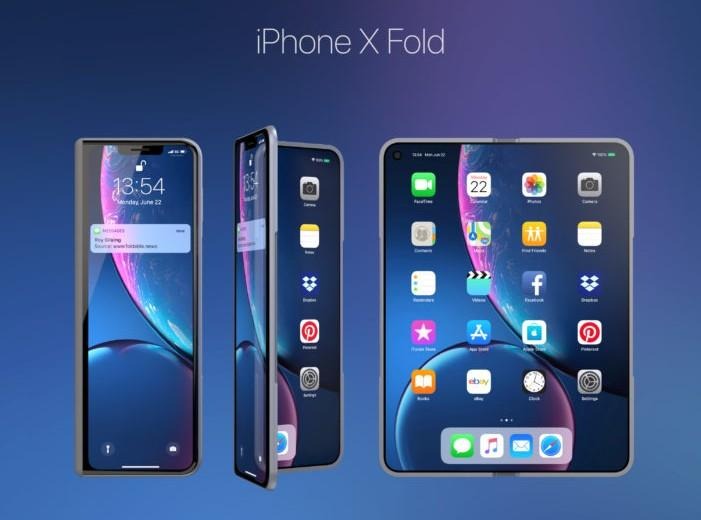
A new analyst note outlines expected technical specifications for Apple’s rumored iPhone Fold, suggesting a premium, tightly controlled approach rather than a fast move into the foldable market. Apple has not confirmed the device or its timeline.
Apple’s long-rumored foldable iPhone may finally be coming into focus. According to reporting by 9to5Mac, analyst Jeff Pu has shared expected technical specifications for what is widely referred to as the iPhone Fold, offering one of the clearest snapshots yet of how Apple might approach a category it has so far avoided.
The details, while unconfirmed, suggest Apple is prioritizing display quality, durability, and integration over being first to market. In a segment dominated by iterative experimentation, that restraint could define whether Apple’s foldable effort reshapes the category—or remains a niche extension of the iPhone lineup.
As always with pre-release Apple hardware, the company has not commented publicly, and timelines remain uncertain.
What the analyst expects Apple to deliver
According to Jeff Pu’s analysis, cited by 9to5Mac, the iPhone Fold is expected to feature a large internal foldable OLED display paired with a smaller external screen, aligning with the book-style form factor used by several existing foldables.
The internal display is expected to emphasize high resolution and brightness, areas where Apple has historically differentiated its devices. Pu’s note also suggests Apple is focused on minimizing crease visibility, a persistent challenge across the foldable market.
Details around processor choice, camera configuration, and battery capacity remain speculative. The report does not confirm launch timing, pricing, or regional availability.
Why Apple has waited on foldables
Foldable smartphones have been commercially available for several years, yet Apple has remained conspicuously absent. That absence appears intentional.
Apple typically avoids entering hardware categories until it believes key tradeoffs—durability, user experience, and supply chain reliability—are sufficiently resolved. Foldables, with their hinges, flexible displays, and long-term wear concerns, run counter to Apple’s emphasis on longevity and tight quality control.
If the iPhone Fold follows the trajectory suggested by Pu, it would likely debut as a premium product rather than a mass-market device, positioning it closer to Apple’s Pro-tier strategy.
Display and supply chain implications
A foldable iPhone would place significant demands on Apple’s display suppliers. High-yield production of large, crease-resistant foldable OLED panels remains technically challenging and expensive.
For the global supply chain, Apple’s entry could act as both a validation and a stress test. Suppliers capable of meeting Apple’s volume and quality standards could see outsized benefits, while others may be pushed out of contention.
Startups working on advanced display materials, hinge mechanisms, or durability testing may also find renewed interest if Apple commits to the category.
Competitive pressure in a crowded market
Foldables today are largely driven by Android manufacturers, many of whom iterate rapidly across multiple models and price points. Apple’s approach, by contrast, appears to emphasize fewer models with longer product cycles.
If Apple introduces a foldable iPhone with noticeably better durability or display performance, it could reset consumer expectations—much as it has done in other mature categories.
At the same time, a high price point could limit initial adoption, keeping foldables a premium niche rather than a mainstream shift.
What this means for developers and startups
A foldable iPhone would introduce new design considerations for iOS developers, particularly around adaptive layouts, multitasking, and app continuity across folded and unfolded states.
Startups building productivity, creative, or enterprise applications may see new opportunities if Apple provides robust software frameworks for foldable interactions. However, fragmentation risks remain if the form factor stays limited to a small subset of users.
For accessory makers and hardware startups, a foldable iPhone would open an entirely new design space—from cases and stands to durability-enhancing add-ons.
Uncertainty remains high
Despite the detail in Pu’s note, major questions remain unanswered. Apple has not confirmed the existence of an iPhone Fold, let alone its launch window. Past Apple prototypes in other categories have taken years to materialize—or never reached consumers at all.
Manufacturing yield, cost, and long-term reliability could still delay or derail the product.
A signal, not a confirmation
The reported iPhone Fold specifications should be read as directional rather than definitive. What they reveal most clearly is Apple’s mindset: cautious, premium-focused, and unwilling to compromise core design principles for speed.
If Apple does enter the foldable market, it is unlikely to do so quietly. Until then, the iPhone Fold remains a high-stakes possibility—one that startups, suppliers, and competitors are watching closely.
This article is based on publicly available reporting from 9to5Mac and industry analysis. Apple has not officially confirmed plans for a foldable iPhone, and specifications or timelines may change.