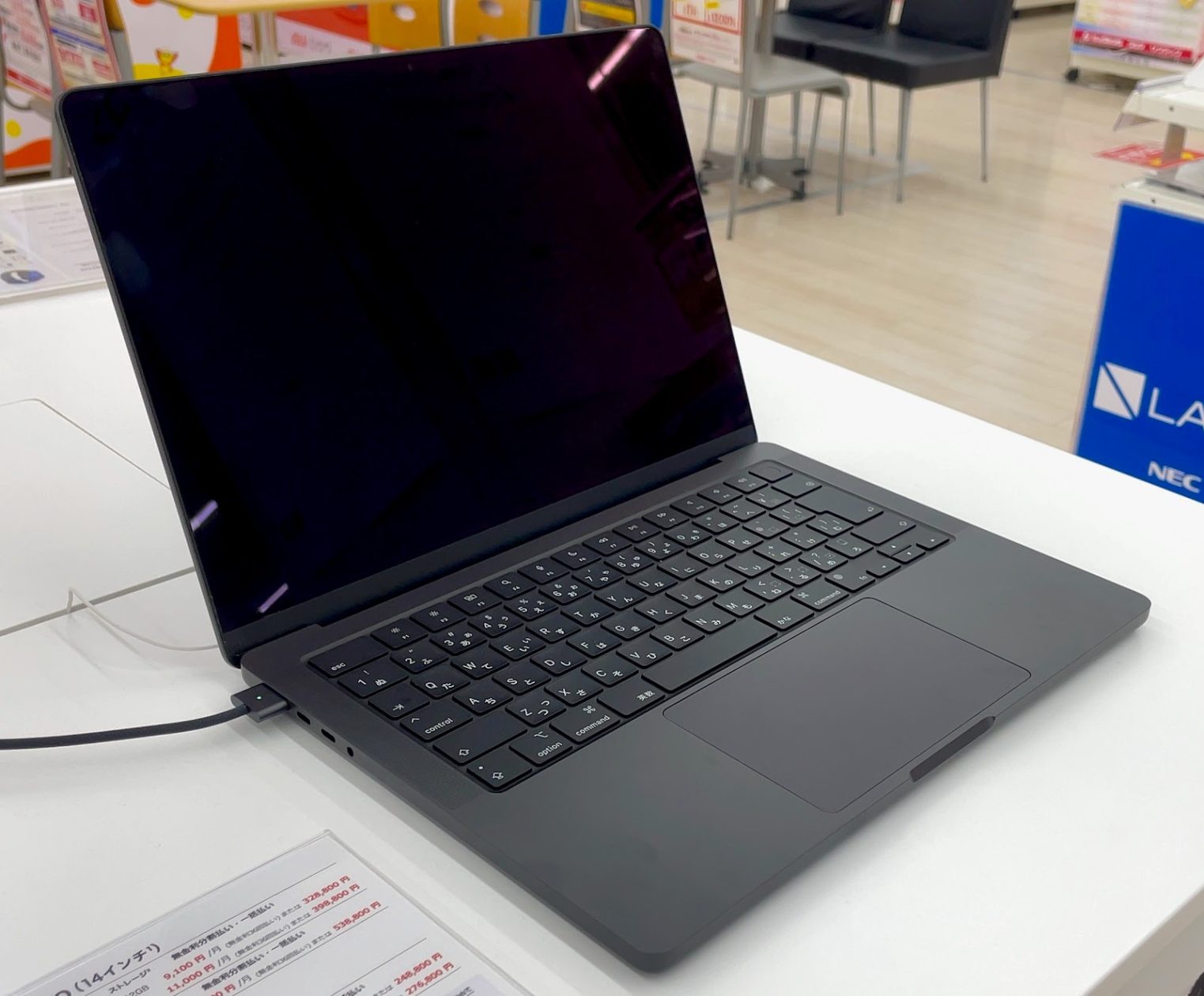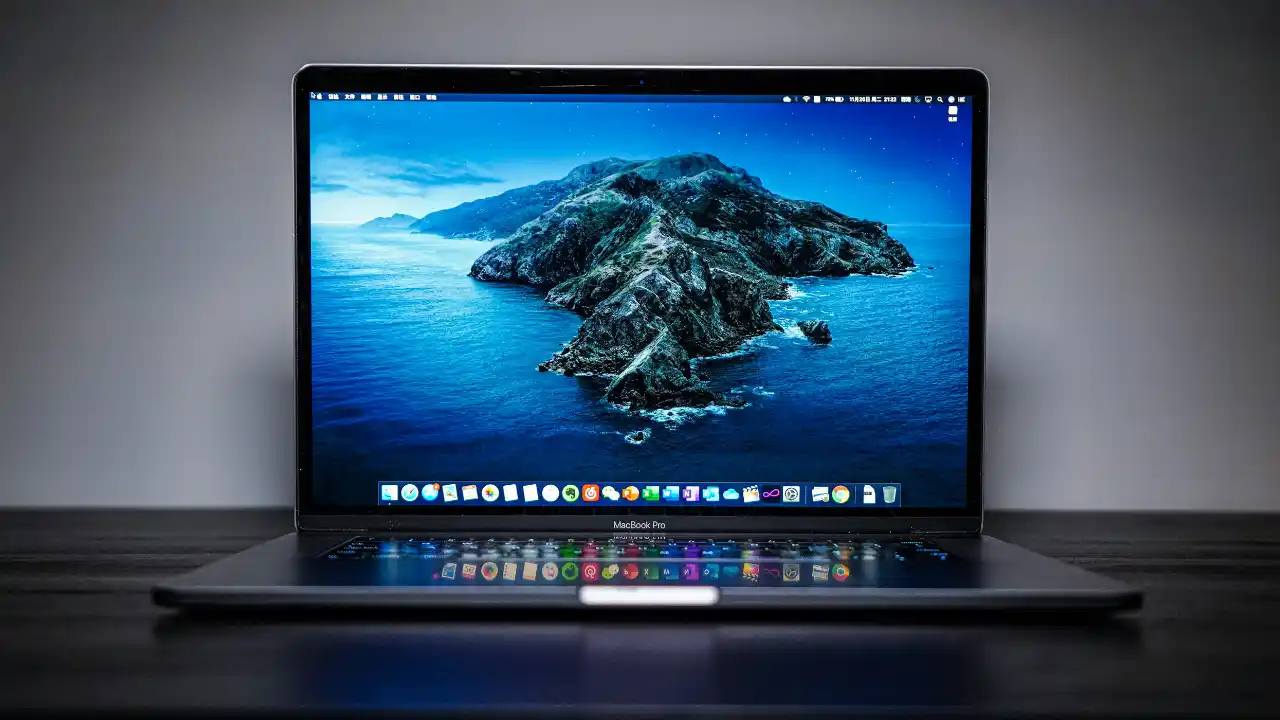
A new report outlines a likely launch window for Apple’s MacBook Pro models powered by M5 Pro and M5 Max chips. While Apple has not confirmed dates, the timeline suggests a familiar cadence for its next performance-focused silicon upgrade.
Apple’s silicon roadmap appears to be settling into a predictable rhythm. According to Forbes, reporting by Ewan Spence points to a likely release window for MacBook Pro models powered by M5 Pro and M5 Max chips, signaling the company’s next major performance refresh for professional users.
Apple has not announced the M5 family or any MacBook Pro launch dates. Still, the report draws on Apple’s recent release patterns to suggest when the next-generation machines could arrive—offering developers, startups, and enterprise buyers an early planning signal rather than a confirmed schedule.
In a market where performance gains increasingly come from efficiency and specialization rather than raw clock speed, Apple’s next move matters well beyond its own product lineup.
What the report suggests about timing
Apple has historically introduced new MacBook Pro models on a roughly annual to 18-month cadence, particularly for its Pro and Max silicon tiers. The Forbes report suggests that M5 Pro and M5 Max-powered MacBook Pros could follow that pattern, placing a potential launch window in late 2026 or early 2027.
This projection is not based on leaked hardware or official guidance. Instead, it reflects Apple’s established sequencing of base, Pro, and Max chips, with higher-end variants typically arriving after consumer-focused launches.
As with prior cycles, timing could shift based on manufacturing readiness, competitive pressures, or broader macroeconomic considerations.
Why the M5 generation matters
Each Apple silicon generation has brought incremental but meaningful gains in performance per watt, graphics capability, and machine learning acceleration. For professional users, those gains compound quickly—especially in workflows like software development, video production, 3D rendering, and on-device AI processing.
The M5 Pro and M5 Max chips are expected to continue Apple’s strategy of scaling up core counts, memory bandwidth, and GPU performance while maintaining tight integration with macOS.
What remains unclear is whether Apple will pair the M5 generation with significant chassis or display changes, or keep the focus squarely on silicon improvements.
Implications for startups and developers
MacBook Pros occupy a unique role in the startup ecosystem. They are often the default development machines for founders, engineers, and creative teams building on Apple platforms—or targeting cross-platform audiences.
A new silicon generation affects decisions around toolchains, optimization, and hardware refresh cycles. Startups working on compute-intensive applications, including AI, simulation, and media processing, pay close attention to Apple’s silicon roadmap because it directly influences local development and testing capabilities.
For hardware-adjacent startups, Apple’s chip releases also shape expectations around efficiency and thermal performance across the broader laptop market.
Competitive pressure in the pro laptop segment
Apple’s MacBook Pro line competes at the high end of the laptop market, where Windows-based machines emphasize flexibility and discrete GPUs. Apple’s advantage has been its ability to deliver strong performance with comparatively low power consumption and noise.
An M5 Pro or M5 Max launch would renew that competitive pressure, particularly if Apple continues to widen the gap in sustained performance per watt.
At the same time, rivals are not standing still. Advances in x86 efficiency and ARM-based alternatives mean Apple’s silicon leadership is increasingly contested, even if it remains influential.
What remains unknown
Despite the reporting, many details are unresolved. Apple has not confirmed the M5 naming, the feature set, or whether the next MacBook Pro refresh will include design or display updates.
Pricing is another open question. Component costs, currency fluctuations, and supply-chain dynamics could influence how Apple positions the next generation—especially for higher-end configurations.
As with previous cycles, Apple could also choose to stagger releases or quietly update models without a major launch event.
Reading the signal, not the calendar
The significance of the reported M5 timeline lies less in the specific dates and more in what it represents: Apple’s silicon roadmap remains disciplined, iterative, and central to its product strategy.
For professionals, startups, and enterprises planning hardware investments, the message is familiar but important. Apple’s next performance leap is coming—but it will arrive on Apple’s terms, not the rumor cycle’s.
This article is based on publicly available reporting from Forbes and industry analysis. Apple has not officially confirmed MacBook Pro M5 Pro or M5 Max launch dates, and timelines may change.