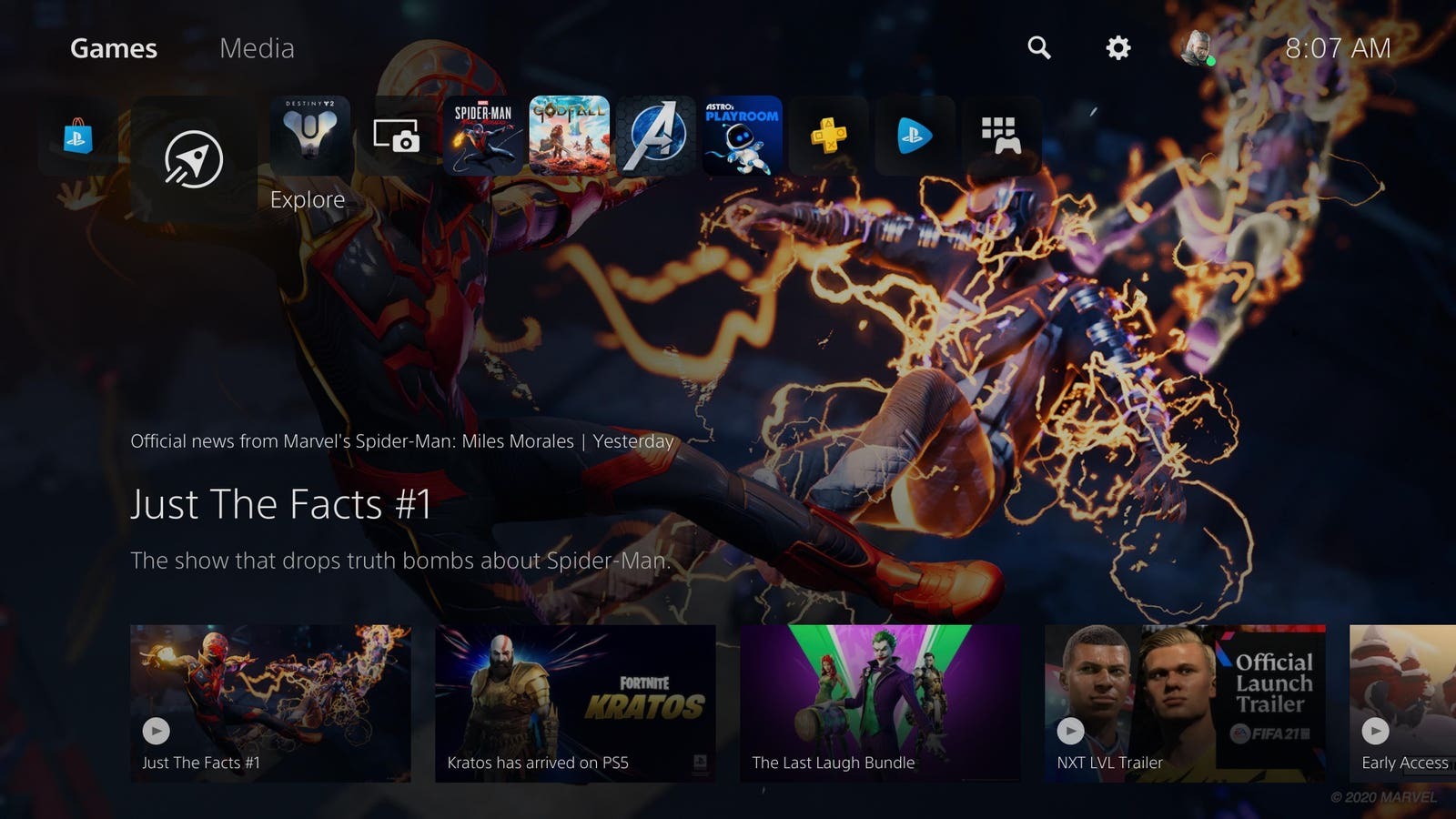
PlayStation Plus Extra January 2026 Update Highlights Subscription Volatility

Share via:

Sony’s January 2026 PlayStation Plus Extra update adds new titles while removing others, highlighting how dynamic—and unstable—subscription gaming libraries have become. The changes reflect broader shifts in licensing, publisher strategy, and platform economics.

Sony’s latest update to its PlayStation Plus Extra catalog is a reminder that subscription gaming, for all its value, remains a moving target. According to reporting from Game Rant, January 2026 will see a new slate of games added to the service—alongside a list of titles set to leave by month’s end.

For players, the churn is familiar. For the gaming industry, it reflects a deeper reality: subscription libraries are shaped less by permanence and more by short-term licensing economics, user engagement metrics, and publisher leverage.

As subscription models continue to expand across gaming, film, and software, PlayStation Plus Extra offers a clear case study in how access-based entertainment actually works in practice.

What’s changing in January 2026

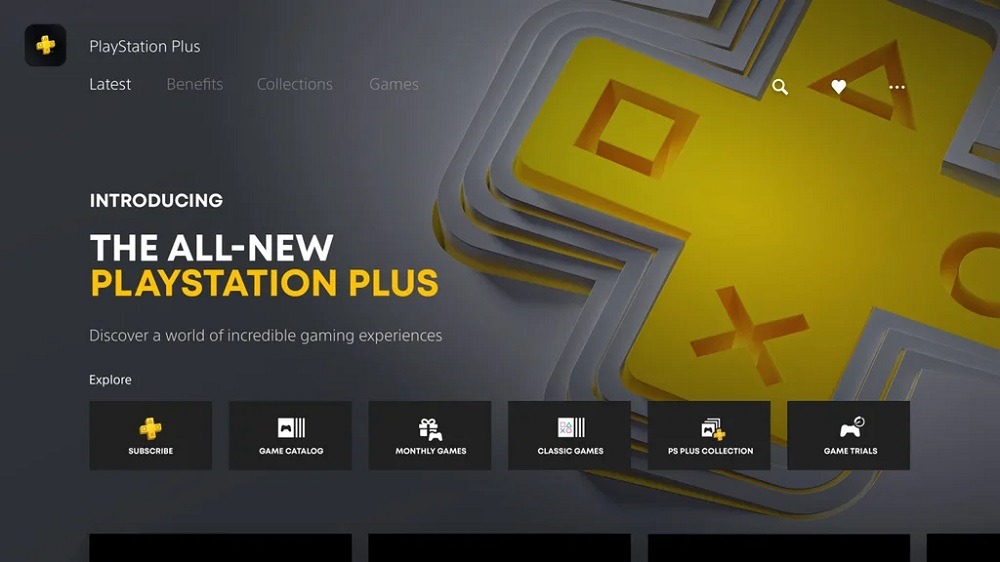
Sony’s PlayStation Plus Extra tier sits between the basic Essential plan and the premium Deluxe tier, offering a rotating library of downloadable games. According to Game Rant, January’s update introduces several incoming titles while confirming that a number of existing games will exit the service before February.

Sony has officially confirmed which games are being added and removed, though the company typically does not disclose why individual titles rotate out. Licensing expirations, publisher negotiations, and performance data are widely understood to play a role.

What remains unclear is how long newly added games will stay available. As with most subscription platforms, inclusion does not imply long-term access.

Why game rotation is accelerating

Subscription churn is not unique to PlayStation Plus. Xbox Game Pass, Ubisoft+, and other services follow similar models. But as subscription libraries grow larger and more expensive to maintain, platforms are under pressure to optimize costs.

Each game included in a subscription service represents a licensing agreement—or, in the case of first-party titles, an opportunity cost. Rotating games allows platforms to refresh perceived value without indefinitely paying for underperforming content.

From Sony’s perspective, the Extra tier must balance breadth with sustainability. A static library risks stagnation; a rotating one risks frustrating users who treat subscriptions as permanent collections.

Publisher incentives are shifting

For game publishers, subscription services are both an opportunity and a tradeoff. Inclusion can drive discovery, revive older titles, and generate guaranteed revenue. But long-term placement can cannibalize direct sales.

As a result, many publishers favor time-limited exposure rather than permanent availability. This helps explain why even popular or critically praised games eventually leave subscription libraries.

For independent studios and mid-sized publishers, short-term inclusion can be especially attractive—offering marketing reach without committing indefinitely to lower per-unit returns.

What this means for players

For consumers, the January rotation reinforces an important behavioral shift: subscription gaming rewards active engagement, not passive ownership. PlayStation’s Players who delay may find titles gone before they start.

This dynamic increasingly mirrors streaming video services, where watchlists require urgency. While the value proposition remains strong—access to dozens or hundreds of PlayStation games for a monthly fee—the experience favors those who treat subscriptions as living catalogs.

It also complicates game preservation and long-term access, particularly for titles that do not receive physical releases or individual digital discounts after leaving a service.

Startup and ecosystem implications

For startups building tools around game discovery, backlog management, or subscription analytics, churn is both a problem and an opportunity. As libraries rotate more frequently, players need better visibility into what’s new, what’s leaving, and what’s worth prioritizing.

Developers building live-service or evergreen games may also view subscription placement differently from narrative-driven, time-bound titles. The economics favor games designed for repeat engagement rather than one-time completion.

Meanwhile, cloud gaming platforms and digital storefronts are watching closely. Subscription fatigue is real, and differentiation increasingly comes down to library quality, stability, and communication.
A signal of where subscription gaming is heading

Sony’s January 2026 update is not unusual—but it is instructive. Subscription gaming has matured past the novelty phase and entered an optimization era, where cost control and engagement metrics drive decisions as much as player sentiment.

For PlayStation Plus Extra subscribers, the takeaway is pragmatic: value remains high, but certainty is low. For the industry, the message is clearer still—access, not ownership, is the dominant model, and it comes with tradeoffs that both platforms and players are still learning to navigate.

This article is based on publicly available reporting and official service updates. Sony has not disclosed the specific licensing terms behind individual game additions or removals, and details may evolve.

Disclaimer

We strive to uphold the highest ethical standards in all of our reporting and coverage. We StartupNews.fyi want to be transparent with our readers about any potential conflicts of interest that may arise in our work. It’s possible that some of the investors we feature may have connections to other businesses, including competitors or companies we write about. However, we want to assure our readers that this will not have any impact on the integrity or impartiality of our reporting. We are committed to delivering accurate, unbiased news and information to our audience, and we will continue to uphold our ethics and principles in all of our work. Thank you for your trust and support.

Popular

More Like this

PlayStation Plus Extra January 2026 Update Highlights Subscription Volatility

Sony’s January 2026 PlayStation Plus Extra update adds new titles while removing others, highlighting how dynamic—and unstable—subscription gaming libraries have become. The changes reflect broader shifts in licensing, publisher strategy, and platform economics.

Sony’s latest update to its PlayStation Plus Extra catalog is a reminder that subscription gaming, for all its value, remains a moving target. According to reporting from Game Rant, January 2026 will see a new slate of games added to the service—alongside a list of titles set to leave by month’s end.

For players, the churn is familiar. For the gaming industry, it reflects a deeper reality: subscription libraries are shaped less by permanence and more by short-term licensing economics, user engagement metrics, and publisher leverage.

As subscription models continue to expand across gaming, film, and software, PlayStation Plus Extra offers a clear case study in how access-based entertainment actually works in practice.

What’s changing in January 2026

Sony’s PlayStation Plus Extra tier sits between the basic Essential plan and the premium Deluxe tier, offering a rotating library of downloadable games. According to Game Rant, January’s update introduces several incoming titles while confirming that a number of existing games will exit the service before February.

Sony has officially confirmed which games are being added and removed, though the company typically does not disclose why individual titles rotate out. Licensing expirations, publisher negotiations, and performance data are widely understood to play a role.

What remains unclear is how long newly added games will stay available. As with most subscription platforms, inclusion does not imply long-term access.

Why game rotation is accelerating

Subscription churn is not unique to PlayStation Plus. Xbox Game Pass, Ubisoft+, and other services follow similar models. But as subscription libraries grow larger and more expensive to maintain, platforms are under pressure to optimize costs.

Each game included in a subscription service represents a licensing agreement—or, in the case of first-party titles, an opportunity cost. Rotating games allows platforms to refresh perceived value without indefinitely paying for underperforming content.

From Sony’s perspective, the Extra tier must balance breadth with sustainability. A static library risks stagnation; a rotating one risks frustrating users who treat subscriptions as permanent collections.

Publisher incentives are shifting

For game publishers, subscription services are both an opportunity and a tradeoff. Inclusion can drive discovery, revive older titles, and generate guaranteed revenue. But long-term placement can cannibalize direct sales.

As a result, many publishers favor time-limited exposure rather than permanent availability. This helps explain why even popular or critically praised games eventually leave subscription libraries.

For independent studios and mid-sized publishers, short-term inclusion can be especially attractive—offering marketing reach without committing indefinitely to lower per-unit returns.

What this means for players

For consumers, the January rotation reinforces an important behavioral shift: subscription gaming rewards active engagement, not passive ownership. PlayStation’s Players who delay may find titles gone before they start.

This dynamic increasingly mirrors streaming video services, where watchlists require urgency. While the value proposition remains strong—access to dozens or hundreds of PlayStation games for a monthly fee—the experience favors those who treat subscriptions as living catalogs.

It also complicates game preservation and long-term access, particularly for titles that do not receive physical releases or individual digital discounts after leaving a service.

Startup and ecosystem implications

For startups building tools around game discovery, backlog management, or subscription analytics, churn is both a problem and an opportunity. As libraries rotate more frequently, players need better visibility into what’s new, what’s leaving, and what’s worth prioritizing.

Developers building live-service or evergreen games may also view subscription placement differently from narrative-driven, time-bound titles. The economics favor games designed for repeat engagement rather than one-time completion.

Meanwhile, cloud gaming platforms and digital storefronts are watching closely. Subscription fatigue is real, and differentiation increasingly comes down to library quality, stability, and communication.

A signal of where subscription gaming is heading

Sony’s January 2026 update is not unusual—but it is instructive. Subscription gaming has matured past the novelty phase and entered an optimization era, where cost control and engagement metrics drive decisions as much as player sentiment.

For PlayStation Plus Extra subscribers, the takeaway is pragmatic: value remains high, but certainty is low. For the industry, the message is clearer still—access, not ownership, is the dominant model, and it comes with tradeoffs that both platforms and players are still learning to navigate.

This article is based on publicly available reporting and official service updates. Sony has not disclosed the specific licensing terms behind individual game additions or removals, and details may evolve.

Disclaimer

We strive to uphold the highest ethical standards in all of our reporting and coverage. We StartupNews.fyi want to be transparent with our readers about any potential conflicts of interest that may arise in our work. It’s possible that some of the investors we feature may have connections to other businesses, including competitors or companies we write about. However, we want to assure our readers that this will not have any impact on the integrity or impartiality of our reporting. We are committed to delivering accurate, unbiased news and information to our audience, and we will continue to uphold our ethics and principles in all of our work. Thank you for your trust and support.

Website Upgradation is going on for any glitch kindly connect at office@startupnews.fyi

More like this

Republic Day 2026: AI-guided arrivals, smart parking in Delhi...

From AI-generated informational videos to car-calling systems, Delhi...

How To Analyze Google Discover

TL;DR To generate the most value from Discover, view...

Apple $150,000 Fine Signals Critical Shift in Apple’s Business...

Apple $150,000 fine: What the settlement means Apple $150,000 fine...

Popular

melhor-iptv-portugal melhor-iptv-portugal melhor-iptv-portugal melhor-iptv-portugal melhor-iptv-portugal melhor-iptv-portugal melhor-iptv-portugal melhor-iptv-portugal melhor-iptv-portugal melhor-iptv-portugal melhor-iptv-portugal melhor-iptv-portugal melhor-iptv-portugal melhor-iptv-portugal melhor-iptv-portugal melhor-iptv-portugal melhor-iptv-portugal melhor-iptv-portugal melhor-iptv-portugal melhor-iptv-portugal melhor-iptv-portugal melhor-iptv-portugal melhor-iptv-portugal melhor-iptv-portugal melhor-iptv-portugal melhor-iptv-portugal melhor-iptv-portugal melhor-iptv-portugal melhor-iptv-portugal melhor-iptv-portugal melhor-iptv-portugal melhor-iptv-portugal melhor-iptv-portugal melhor-iptv-portugal melhor-iptv-portugal melhor-iptv-portugal melhor-iptv-portugal melhor-iptv-portugal melhor-iptv-portugal melhor-iptv-portugal melhor-iptv-portugal melhor-iptv-portugal melhor-iptv-portugal melhor-iptv-portugal melhor-iptv-portugal melhor-iptv-portugal melhor-iptv-portugal melhor-iptv-portugal melhor-iptv-portugal melhor-iptv-portugal melhor-iptv-portugal melhor-iptv-portugal melhor-iptv-portugal melhor-iptv-portugal melhor-iptv-portugal melhor-iptv-portugal melhor-iptv-portugal melhor-iptv-portugal melhor-iptv-portugal melhor-iptv-portugal melhor-iptv-portugal melhor-iptv-portugal melhor-iptv-portugal melhor-iptv-portugal melhor-iptv-portugal melhor-iptv-portugal melhor-iptv-portugal melhor-iptv-portugal melhor-iptv-portugal melhor-iptv-portugal melhor-iptv-portugal melhor-iptv-portugal melhor-iptv-portugal melhor-iptv-portugal
