A newly reported Windows 11 shutdown bug causes some systems to restart instead of powering down, exposing reliability risks tied to modern operating system updates. The issue highlights broader challenges for Microsoft and enterprise IT teams managing always-evolving software platforms.
A flaw that prevents a computer from shutting down may sound trivial. In enterprise environments—and increasingly in consumer devices—it is not. A newly identified Windows 11 shutdown bug, reported by The Register based on user reports and technical analysis, is forcing some systems to reboot instead of powering off, undermining basic expectations of operating system stability at a time when software reliability is under renewed scrutiny.
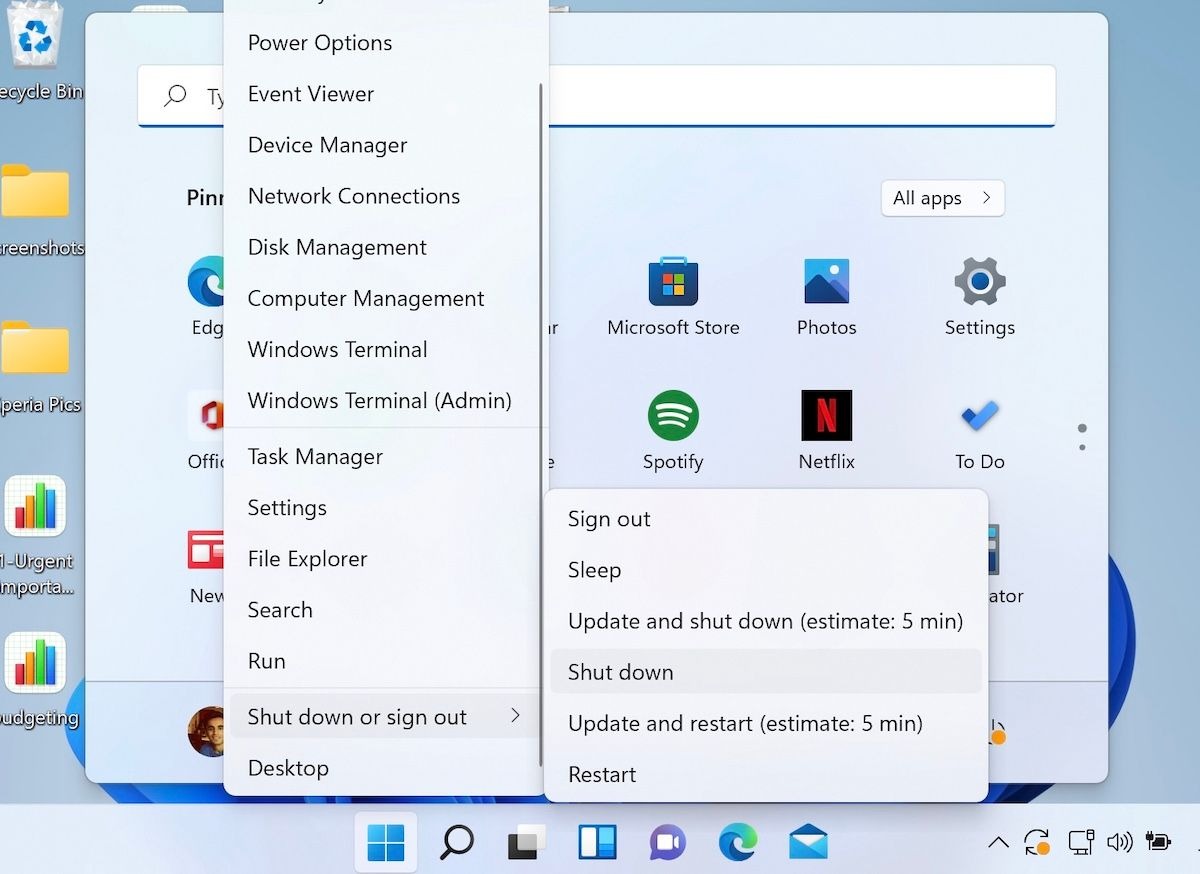
The issue, which appears tied to recent Windows 11 updates, surfaces during shutdown attempts. Rather than powering down, affected machines restart automatically, leaving users caught in a loop that defies one of the most fundamental functions of a personal computer. While workarounds exist, the episode has reopened questions about Microsoft’s rapid update cadence and the downstream risks for businesses that rely on predictable system behavior.
For startups, enterprises, and IT operators alike, the incident is less about a single bug than what it reveals about the evolving nature of operating systems as continuously updated services.
What is known so far about the shutdown failure
According to reporting from The Register, the shutdown problem appears after certain Windows 11 updates, with users observing that the operating system initiates a reboot sequence immediately after shutdown is selected. The behavior has been reproduced across multiple configurations, suggesting it is not isolated to a single hardware vendor or custom setup.
Microsoft has not publicly detailed the precise root cause, and it remains unclear whether the bug stems from power management routines, update rollback logic, or interactions with newer system services. As of the report’s publication, no universal fix had been issued, though affected users have shared temporary mitigations—such as disabling fast startup or adjusting power settings.
Importantly, there is no indication that the bug enables data exfiltration or direct security compromise. However, forced reboots can interrupt patch cycles, interfere with encryption states, and create operational friction in managed IT environments.
Why shutdown reliability still matters in a cloud-first era
It is tempting to dismiss shutdown behavior as a relic of an older computing model, especially as laptops sleep instead of power down and cloud workloads run continuously. Yet shutdown remains a critical function for compliance, hardware maintenance, and incident response.
In regulated industries, systems must often be powered down deliberately to apply firmware updates or meet audit requirements. In cybersecurity contexts, a reliable shutdown can be essential when isolating a compromised machine. When shutdown fails, even intermittently, trust in the platform erodes.
Windows 11, positioned as a modern, secure, and continuously improving operating system, inherits this expectation. Any regression in core system behavior—no matter how narrow—carries outsized reputational weight.
A pattern of update-induced friction
The shutdown issue fits into a broader pattern that enterprise IT teams have been tracking for years: updates that improve security or add features can also introduce unexpected regressions.
Microsoft’s move to more frequent, cumulative updates has delivered clear benefits, particularly in reducing exposure to zero-day vulnerabilities. But the tradeoff is complexity. Each update touches more components, increasing the probability of edge-case failures that only surface at scale.
Windows 11, compared with its predecessor, integrates deeper system telemetry, tighter hardware requirements, and more aggressive power management optimizations. These changes can yield performance and security gains, but they also narrow tolerance for misconfiguration or subtle bugs.
For IT departments, this means testing overhead continues to rise, even as update windows shrink.
Implications for enterprises and startups
For large enterprises, the immediate risk lies in operational disruption. Machines that refuse to shut down complicate patch management, device retirement, and remote administration. In environments where thousands of endpoints must follow scripted power cycles, even a small failure rate can cascade into support costs and downtime.
Startups face a different—but related—challenge. Many young companies build products, internal tools, or managed services that assume baseline OS reliability. When platform-level behavior becomes unpredictable, startups must invest engineering time to diagnose issues they do not control.
This is particularly relevant for device management, cybersecurity, and IT automation startups whose offerings sit atop Windows APIs. A shutdown bug can invalidate assumptions baked into orchestration logic or compliance workflows.
A reminder of OS monoculture risk
The episode also revives a long-standing concern about monoculture in enterprise computing. Windows remains dominant across corporate desktops worldwide. When a bug affects a widely deployed version like Windows 11, its impact scales rapidly.
While diversity in operating systems can mitigate systemic risk, standardization remains economically attractive. The result is a delicate balance: organizations accept concentrated platform risk in exchange for compatibility and lower support costs.
Incidents like this shutdown failure underscore the importance of contingency planning—whether through staged rollouts, alternative workflows, or clearer rollback paths when updates misfire.
How Microsoft is likely to respond
Based on past behavior, Microsoft is expected to address the issue through a subsequent update or out-of-band fix once the root cause is fully identified. The company has historically been cautious about rushing patches for non-security bugs, particularly when changes touch low-level system behavior.
Communication will matter. Enterprises and IT professionals increasingly expect transparent acknowledgment of known issues, even when fixes are still in development. Silence, or vague advisories, can amplify frustration and erode confidence faster than the bug itself.
It is also unclear whether the shutdown problem affects all supported Windows 11 versions or only specific builds. Greater clarity here would help organizations assess exposure and prioritize mitigation.
Looking beyond the immediate bug
Viewed in isolation, a shutdown bug is an annoyance. Viewed in context, it is a signal.
Modern operating systems are no longer static products; they are living platforms, updated continuously and deeply intertwined with hardware, security policy, and cloud services. This evolution brings undeniable benefits—but it also means that foundational behaviors are now subject to change in ways that were once rare.
For technology leaders, the lesson is not to avoid updates, but to treat OS changes with the same rigor applied to application deployments. Testing, staged rollouts, and clear rollback strategies are no longer optional—even for “routine” updates.
For Microsoft, the challenge is ongoing: maintaining trust in Windows as a stable foundation while pushing the platform forward. Incidents like the Windows 11 shutdown bug show how thin that margin can be.
This article is based on publicly available reporting and technical analysis. Details may evolve as Microsoft releases further guidance or fixes.