

OpenAI plans to prioritize practical, real-world adoption of its AI systems in 2026, according to its finance chief. The shift reflects growing pressure to turn generative AI breakthroughs into sustainable enterprise products.
After two years defined by rapid experimentation and public fascination, OpenAI is preparing for a more grounded phase. According to CNBC, the company’s finance chief said OpenAI will focus in 2026 on practical adoption of artificial intelligence, emphasizing real-world deployment, customer value, and sustainable revenue over headline-grabbing demos.
The comments come as generative AI moves from novelty to necessity across industries, and as investors, regulators, and enterprise customers demand clearer returns on AI spending. For OpenAI, whose models underpin a growing share of the AI ecosystem, the message is a clear recalibration of priorities.
What OpenAI’s leadership is saying
OpenAI’s chief financial officer, Sarah Friar, told CNBC that 2026 will be about helping customers “actually use” AI at scale, rather than simply showcasing what the technology can do.
While OpenAI has driven much of the recent generative AI boom, Friar’s comments suggest the company sees adoption—not model size—as the next competitive frontier. She emphasized building products that integrate into existing workflows and deliver measurable business outcomes.
OpenAI did not disclose specific product roadmaps or revenue targets, and it remains unclear how this focus will reshape its release cadence or research priorities.
Why the shift matters now
The AI market has entered a more demanding phase. Enterprises are increasingly selective, scrutinizing cost, reliability, security, and regulatory exposure before committing to large-scale deployments.
At the same time, generative AI infrastructure is expensive. Training and running large models requires massive compute investment, making long-term monetization unavoidable. A focus on adoption signals that OpenAI is aligning its strategy with customer retention and predictable revenue rather than rapid experimentation alone.
This mirrors a broader trend across the AI sector, where enthusiasm is giving way to operational discipline.
Implications for startups and developers
For startups building on OpenAI’s models, the shift could be consequential. A stronger emphasis on stability, tooling, and enterprise readiness may benefit developers looking to build production-grade applications rather than experimental prototypes.
However, it could also mean fewer abrupt feature launches and more scrutiny around usage-based pricing and performance guarantees. Startups dependent on OpenAI’s APIs will be watching closely for signals around cost control and long-term platform commitments.
The move may also intensify competition among AI platform providers, as differentiation shifts from raw capability to integration quality and customer support.
Enterprise AI enters its operational phase
OpenAI’s stance reflects how generative AI is being absorbed into mainstream enterprise software. Use cases such as customer support automation, internal knowledge management, software development assistance, and data analysis are becoming standard rather than experimental.
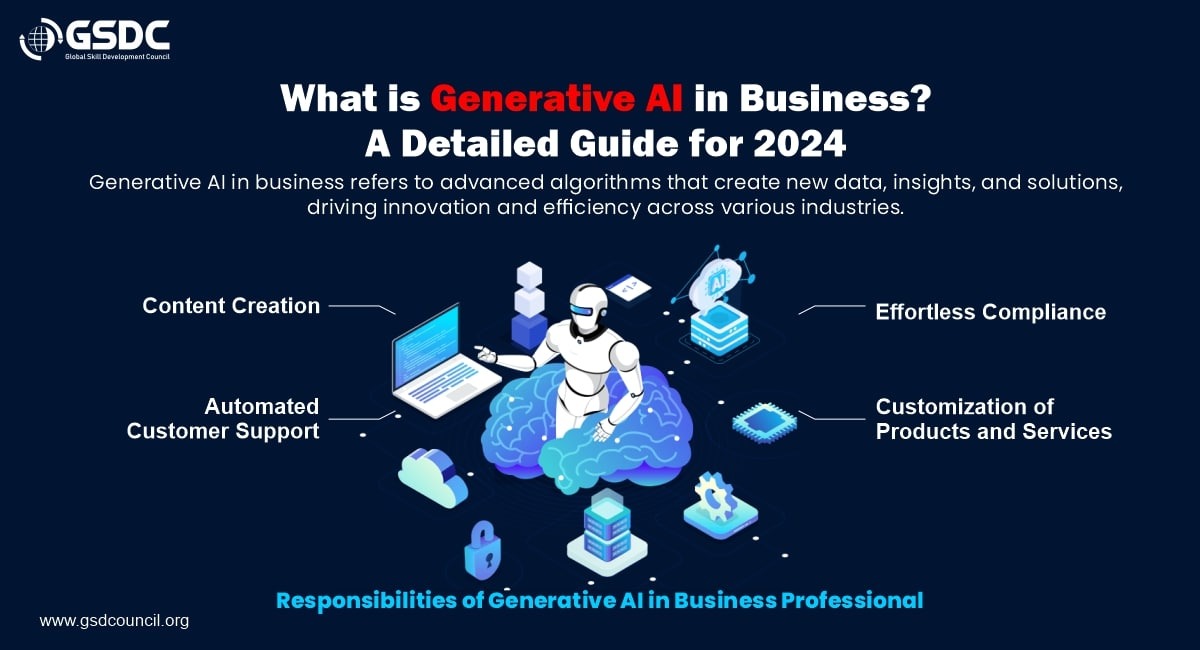
For CIOs and CTOs, the priority is no longer whether AI works, but whether it fits securely and reliably into production systems. OpenAI’s focus on adoption positions it as a long-term infrastructure provider rather than a research-driven disruptor alone.
Regulatory and policy context
The shift toward practical deployment also comes as governments in the U.S., Europe, and elsewhere move toward clearer AI governance frameworks. Enterprises deploying AI at scale must navigate data protection, transparency, and accountability requirements.
By emphasizing real-world usage, OpenAI may be seeking to align its products more closely with regulatory expectations, reducing friction for customers operating in sensitive or highly regulated sectors.
A maturing AI company
OpenAI’s 2026 focus suggests a company transitioning from rapid growth to operational maturity. The underlying technology will continue to evolve, but the strategic emphasis is shifting toward making AI dependable, repeatable, and economically viable.
For the global tech ecosystem, the signal is clear. Generative AI’s next chapter will be defined less by spectacle and more by execution.
This article is based on publicly available reporting from CNBC. OpenAI has not released detailed product or financial guidance for 2026, and specifics may evolve.


