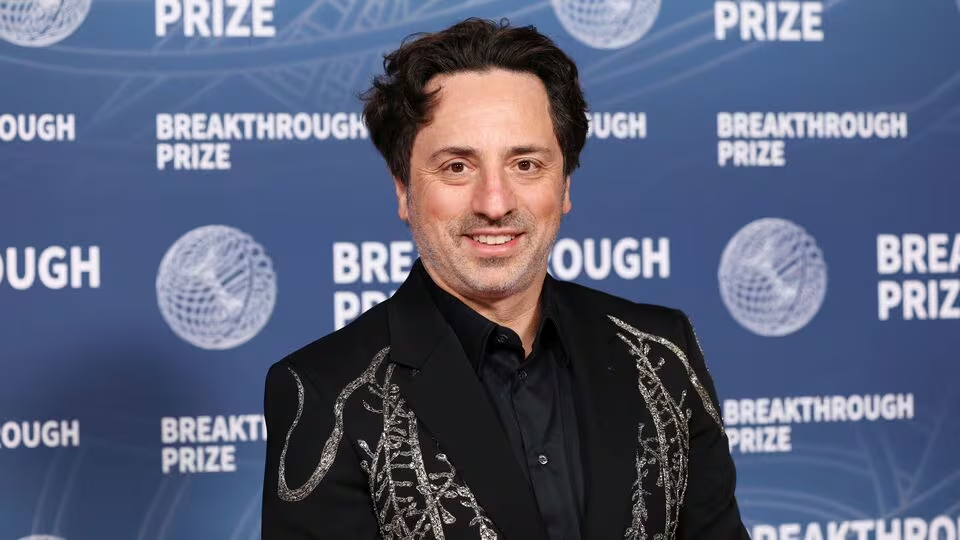
In a recent address to students at Stanford University, Google co-founder Sergey Brin shared a personal insight into why he chose to pursue computer science—a field that would go on to shape his life and revolutionize the tech industry. Brin’s decision was driven not by a desire for prestigious credentials but by a genuine passion for the subject. He explained that, for him, it was a natural choice and “a no-brainer,” a sentiment that echoes the sentiment many students today are reconsidering, especially in light of the rise of artificial intelligence (AI).
AI’s Impact on Education: A Call for Caution
Sergey Brin’s comments also come at a time when many are debating the future of higher education, particularly in technical fields, as AI models like ChatGPT and Gemini demonstrate remarkable capabilities in tasks such as writing code and solving complex problems. As AI becomes more adept at performing traditionally human roles, some students are questioning whether a computer science degree is still necessary to secure a career in tech. Brin responded to these concerns with a note of caution: “I wouldn’t go off and switch to comparative literature just because you think AI is good at coding. The AI is probably even better at comparative literature,” he quipped, highlighting the need for deeper skills than AI can currently replace.
Changing Hiring Practices at Google
In line with this shift in education and technological capabilities, Sergey Brin also discussed how Google’s hiring philosophy has adapted over time. The tech giant is increasingly moving away from traditional hiring metrics like the four-year degree requirement. According to Brin, Google has hired countless people who may not have completed their college education but have demonstrated exceptional talent and self-driven learning. This reflects a broader trend across the tech industry where companies are recognizing the value of self-taught developers and skill-driven recruitment.
The numbers reflect this cultural shift: as of 2022, 77% of Google’s job postings no longer require a degree, a significant drop from 93% just five years earlier. This aligns with the views of other CEOs in the tech industry, such as Jamie Dimon of JPMorgan and Alex Karp of Palantir, who have advocated for skills-based hiring over traditional academic qualifications.
The Changing Nature of Education and Employment
Sergey Brin’s perspective reflects a larger conversation around the future of higher education in the age of AI and its influence on global tech talent. As automation becomes more integrated into various industries, traditional routes to entering the workforce, such as degrees from elite universities, may no longer be the only pathway. As Sergey Brin pointed out, focusing on real-world skills and passion rather than just credentials may better prepare the next generation for the changing job market.