

Bitcoin and Ethereum moved lower in recent trading, underscoring how fragile sentiment remains across global cryptocurrency markets even after a year of rapid institutionalization. The pullback, highlighted in recent market coverage, reflects a broader repricing of risk as investors weigh macroeconomic uncertainty, regulatory signals, and the sustainability of inflows into digital assets.
While short-term price moves remain volatile, the underlying dynamics matter far beyond traders. For blockchain startups, fintech firms, and technology investors — particularly in the U.S. — fluctuations in Bitcoin and Ethereum prices continue to shape funding conditions, product adoption, and regulatory scrutiny across the crypto ecosystem.
A pause after a volatile stretch
Bitcoin and Ethereum have both experienced sharp swings over recent months, driven by a mix of institutional participation and retail speculation. According to publicly available market data, recent declines came after periods of strength that had pushed prices toward multi-month highs.
Market analysts cited in financial coverage point to profit-taking and shifting expectations around interest rates as near-term catalysts. However, it remains unclear how much of the move reflects fundamental reassessment versus short-term positioning. Crypto markets continue to react quickly to macro headlines, often amplifying moves seen in traditional risk assets.
Why macro signals still dominate Bitcoin – crypto
Despite narratives that digital assets operate independently of the broader economy, Bitcoin and Ethereum remain closely tied to global liquidity conditions. Expectations around central bank policy, inflation data, and U.S. economic growth continue to influence investor appetite for speculative assets.
For U.S.-based investors, the linkage has become more pronounced as crypto has moved closer to mainstream finance. Exchange-traded products and increased institutional access have brought new capital into the market — but also exposed digital assets to the same risk-off dynamics that affect equities and technology stocks.
This convergence means Bitcoin-crypto rallies are increasingly vulnerable to the same forces that pressure high-growth startups and emerging technologies.
Implications for crypto startups
For startups building in the crypto and blockchain space, price volatility is more than a market headline. Token prices influence user behavior, developer activity, and fundraising conditions. When Bitcoin and Ethereum decline, early-stage projects often face tighter capital, slower onboarding, and heightened investor scrutiny.
At the same time, market pullbacks can reduce speculative noise. Some founders view periods of lower prices as an opportunity to refocus on infrastructure, compliance, and real-world use cases rather than short-term token appreciation.
The challenge remains uneven. Bitcoin startups reliant on transaction volume or token-based incentives feel price declines more acutely than those focused on enterprise blockchain, payments, or developer tooling.
Ethereum’s role under the spotlight
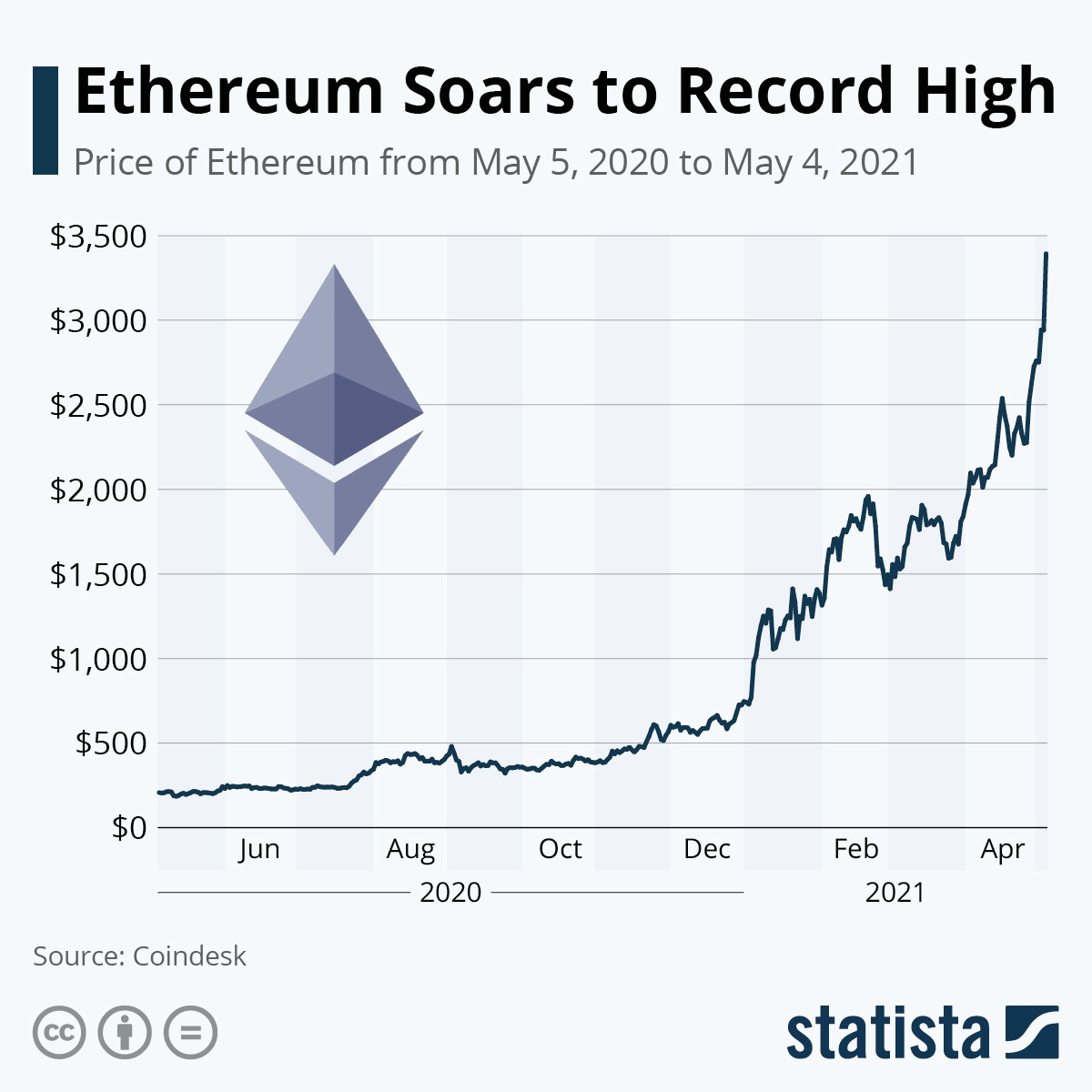
Ethereum’s performance carries particular significance for the startup ecosystem. As the dominant platform for decentralized finance, NFTs, and smart contracts, its price often acts as a proxy for activity across large swaths of the crypto economy.
Recent weakness in Ethereum has raised questions about network usage and competition from alternative blockchains. However, public data suggests that adoption metrics — such as developer activity — remain relatively resilient even during market downturns.
What is less clear is how sustained price pressure could affect long-term incentives for builders and validators, especially as regulatory expectations around staking and Bitcoin tokens continue to evolve.
U.S. regulation remains a key variable
Regulatory clarity — or the lack of it — continues to loom over crypto markets. In the United States, enforcement actions and policy debates have contributed to uncertainty around which digital assets may ultimately be classified as securities or commodities.
For investors, regulatory risk adds another layer of volatility. For startups, it shapes decisions about where to incorporate, whom to serve, and how to structure products. Even as institutional adoption grows, unresolved regulatory questions can amplify market reactions to negative news.
The recent price moves highlight how sensitive crypto markets remain to perceived shifts in the regulatory environment, even when no single policy announcement is driving the decline.
Global context: not just a U.S. story
While U.S. markets exert outsized influence, crypto remains a global phenomenon. Activity across Asia, Europe, and emerging markets continues to play a major role in liquidity and adoption.
In some regions, crypto is still driven by payments, remittances, or inflation hedging rather than speculation. That diversity of use cases can provide resilience, but it also complicates price discovery, as regional flows respond to different economic pressures.
For global startups, navigating this fragmented landscape requires balancing regulatory compliance with the realities of cross-border demand.
Investor sentiment: cautious, not collapsed
Despite recent declines, there is little evidence of panic across major crypto markets. Trading volumes suggest caution rather than capitulation, with many investors waiting for clearer macro signals before committing new capital.
That restraint mirrors sentiment in broader technology markets, where investors have become more selective after years of easy liquidity. Crypto, once seen as detached from traditional finance, is now firmly embedded within it.
For long-term participants, the question is not whether volatility will persist — but whether the current cycle produces sustainable growth rather than another speculative surge.
What to watch next
Looking ahead, investors and founders will be watching several signals: macroeconomic data, regulatory developments in the U.S. and abroad, and evidence that crypto adoption is translating into durable revenue rather than cyclical trading activity.
Bitcoin and Ethereum remain central to that story. Their prices continue to act as barometers not just for crypto sentiment, but for how risk is priced across emerging technologies.
As the market digests the latest pullback, the broader takeaway is clear: crypto’s integration into global finance has brought legitimacy — but also accountability. And with that, volatility is no longer an anomaly; it is a defining feature of the sector’s maturation.


