
YouTube TV Upgrades Multiview, Giving Viewers Control Over How Live TV Is Watched
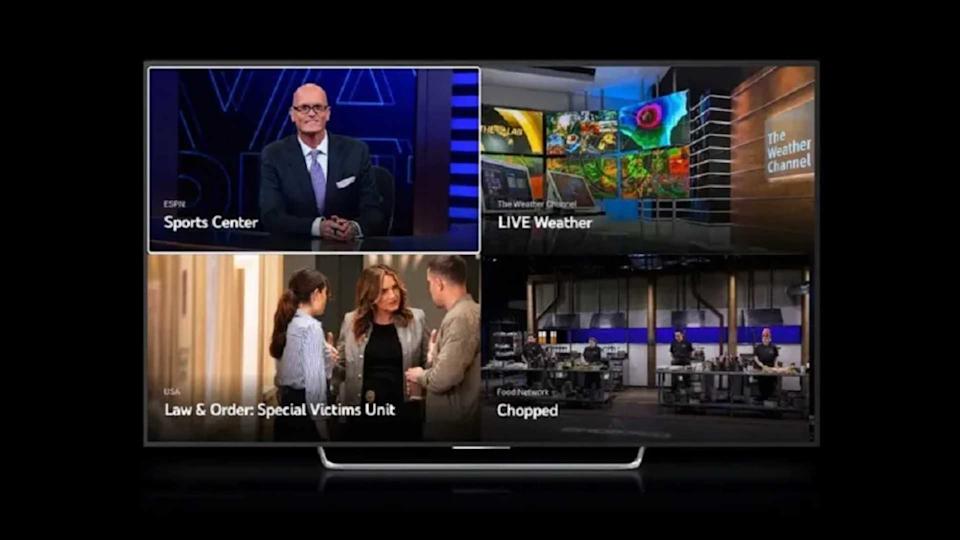
YouTube TV is rolling out a major upgrade to its Multiview feature, allowing subscribers to mix and match live channels rather than relying on preset combinations. The change marks a significant shift in how live television is experienced on streaming platforms — moving from broadcaster-defined programming toward user-controlled viewing.
The update, reported by TechCrunch, strengthens YouTube TV’s position in the increasingly competitive U.S. live TV streaming market, where flexibility and personalization are becoming critical differentiators.
For media startups, broadcasters, and technology platforms globally, the move signals how traditional TV formats are being reshaped by software-first thinking.
From fixed layouts to viewer choice
Until now, YouTube TV’s Multiview feature primarily offered curated channel groupings, often centered around sports or major live events. While popular, those presets limited how viewers could combine content across genres.
The upgraded Multiview will allow users to choose which channels appear on screen simultaneously, effectively turning live TV into a customizable dashboard. Viewers can follow multiple games, news feeds, or events at once — on their own terms.
YouTube has not yet detailed whether the feature will support all channels or be restricted by content licensing agreements, a common limitation in live TV streaming.
Why this matters for the streaming industry
Live TV remains one of the last strongholds of traditional broadcast models, even as on-demand streaming dominates scripted content. By giving users granular control over live viewing, YouTube TV is pushing live television closer to the flexibility users expect from digital platforms.
For cord-cutters, this kind of control reinforces the value proposition of streaming bundles over cable. For broadcasters, it introduces new questions about audience measurement, ad visibility, and engagement when multiple channels compete for attention on the same screen.
The change reflects a broader industry trend: software features increasingly define the viewing experience more than the underlying content packages.
Sports as the catalyst — but not the limit
Sports have been the primary driver of Multiview adoption, particularly during high-density schedules like football weekends or tournament play. The mix-and-match upgrade builds on that momentum, catering to viewers who want to track multiple events without channel hopping.
However, the implications extend beyond sports. News, financial programming, and live events could also benefit from simultaneous viewing — especially for power users accustomed to multitasking across screens.
For advertisers and networks, this raises new challenges around how attention is measured and monetized when viewers are no longer watching a single full-screen feed.
Implications for startups and media tech builders
For startups operating in streaming analytics, ad tech, and user experience design, YouTube TV’s move sets a new baseline. Products built for linear, single-feed viewing may need to adapt to environments where viewers engage with multiple streams at once.
Media startups experimenting with interactive or data-rich broadcasts may find opportunities in multiview formats, where supplementary information can coexist alongside live video.
The upgrade also illustrates how platform-level innovation can reshape expectations across the ecosystem, forcing smaller players to keep pace or risk irrelevance.
Google’s broader platform strategy
The Multiview expansion aligns with Google’s broader emphasis on personalization and AI-driven user experience. Although the feature itself is not explicitly AI-powered, it reflects a philosophy of letting users assemble their own consumption environments.
YouTube TV has steadily differentiated itself through software features rather than exclusive content alone — a strategy that contrasts with competitors focused on content spend.
In a crowded streaming market with thin margins, product-led differentiation has become increasingly important.
U.S. focus with global implications
While YouTube TV is primarily a U.S. service, its feature roadmap often influences streaming expectations globally. International platforms and broadcasters watch closely as YouTube experiments with new live TV formats.
In markets where streaming bundles are still emerging, Multiview-style features could shape how live content is packaged and consumed from the outset.
For global media startups, the message is clear: flexibility and user control are no longer optional add-ons.
What remains unclear
Several aspects of the rollout have not yet been fully explained:
- Whether all channels will be eligible for Multiview
- How ads will be displayed across multiple feeds
- Whether the feature will expand beyond TV devices to mobile and web
- If content partners can opt out or customize Multiview behavior
YouTube has indicated the upgrade will roll out gradually, suggesting further refinements are likely.
A step toward programmable television
YouTube TV’s Multiview upgrade represents more than a feature update. It reflects a deeper rethinking of live television as programmable, user-defined software rather than a fixed broadcast experience.
For viewers, it offers control. For platforms, it offers differentiation. For the broader media ecosystem, it signals that the future of live TV will look far less linear — and far more interactive — than the past.
As streaming platforms continue to absorb and reinvent traditional television, features like Multiview may become the norm rather than the exception, reshaping how live content is produced, packaged, and ultimately watched.


