
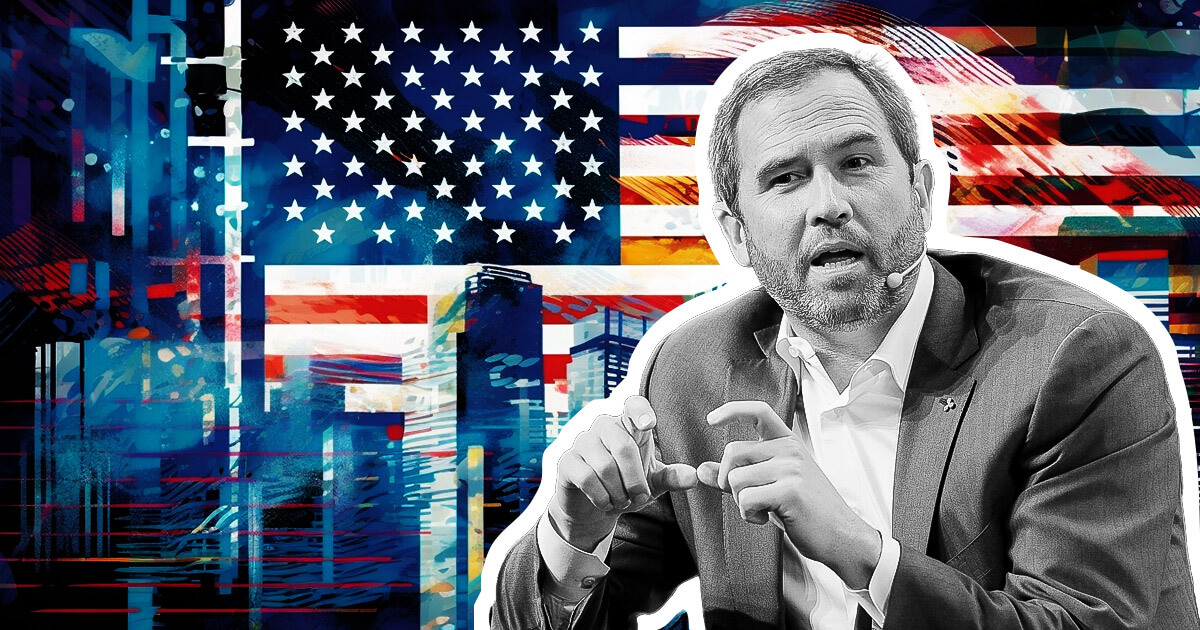
Ripple CEO Brad Garlinghouse says 2026 could be a breakout year for cryptocurrency adoption, but warns that regulatory uncertainty in the US remains a limiting factor. His comments come as lawmakers continue to debate the long-awaited Clarity Act.
Ripple CEO Brad Garlinghouse is betting that the crypto industry’s next major expansion will arrive in 2026 — with or without immediate regulatory clarity in the United States.
Speaking amid ongoing debates in Washington, Garlinghouse said the foundations for broader crypto adoption are largely in place, driven by institutional interest, improved infrastructure, and clearer rules in markets outside the US. What remains unresolved, he argues, is whether American policymakers will move fast enough to avoid ceding leadership.
The comments reflect a familiar tension for the crypto sector: optimism about long-term growth paired with frustration over near-term regulatory inertia.
A forecast shaped by regulation — and its absence
Garlinghouse’s outlook is closely tied to the fate of proposed US legislation aimed at defining how digital assets are regulated. Central among them is the so-called Clarity Act, which would seek to delineate the roles of securities and commodities regulators in overseeing cryptocurrencies.
Until such frameworks are finalized, companies like Ripple continue to operate in a patchwork of enforcement-driven rules rather than clear statutory guidance.
Garlinghouse has repeatedly criticized that approach, arguing it discourages innovation and pushes investment offshore. While enforcement actions have slowed in recent months, he says uncertainty still weighs on US-based crypto firms.
Why 2026 matters in Ripple’s view
Despite those headwinds, Garlinghouse believes momentum is building. He points to rising interest from banks, payment providers, and financial institutions exploring blockchain-based settlement and tokenized assets.
Ripple’s own business focuses on cross-border payments and blockchain infrastructure for financial institutions, areas that could benefit from wider crypto normalization rather than retail speculation.
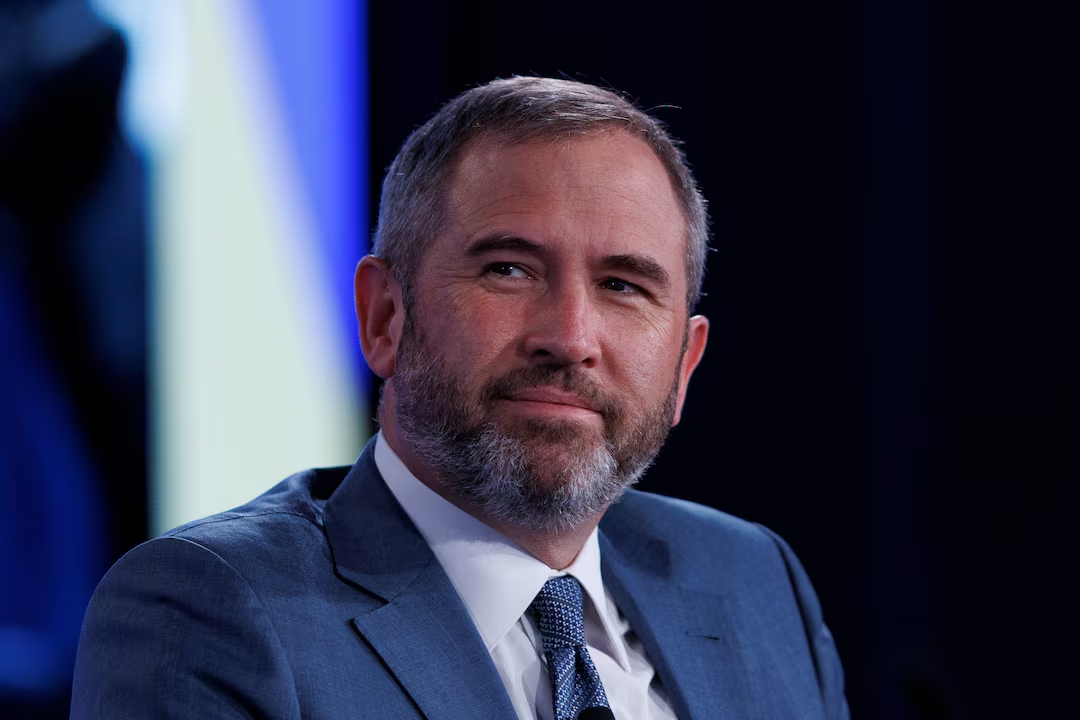
The company’s flagship digital asset, XRP, has long been positioned as a bridge currency for international transactions — a use case that Garlinghouse argues aligns more closely with regulatory acceptance than meme-driven trading.
The global contrast with the US
While US lawmakers debate next steps, other jurisdictions have moved ahead. Europe has begun implementing its Markets in Crypto-Assets framework, and several Asian and Middle Eastern markets have rolled out licensing regimes aimed at attracting crypto businesses.
Garlinghouse has frequently highlighted that contrast, suggesting the US risks falling behind in shaping global standards. From Ripple’s perspective, regulatory certainty abroad has already translated into faster deal-making and partnerships.
That divergence, he says, could define the competitive landscape by the time broader adoption accelerates.
Industry optimism tempered by caution
Garlinghouse’s 2026 projection is shared by other industry leaders who see crypto maturing beyond its boom-and-bust cycles. Infrastructure has improved, custody and compliance tools are more robust, and institutional investors are more engaged than in previous cycles.
Still, the path forward is not guaranteed. Market volatility, geopolitical risk, and unresolved legal questions remain significant variables.
For startups and investors, the message is mixed: long-term opportunity appears intact, but near-term execution depends heavily on policy decisions that remain out of the industry’s control.
Waiting on Washington
The Clarity Act and related proposals have yet to receive final approval, leaving timelines uncertain. Whether Congress acts decisively or continues to defer will shape how quickly US-based crypto firms can scale with confidence.
For Garlinghouse, the hope is that lawmakers recognize what he sees as an inflection point. If they do, 2026 could mark a new phase of regulated growth. If not, that growth may simply happen elsewhere.
Either way, Ripple is preparing for what it views as crypto’s next chapter — one defined less by hype and more by integration into the global financial system.


