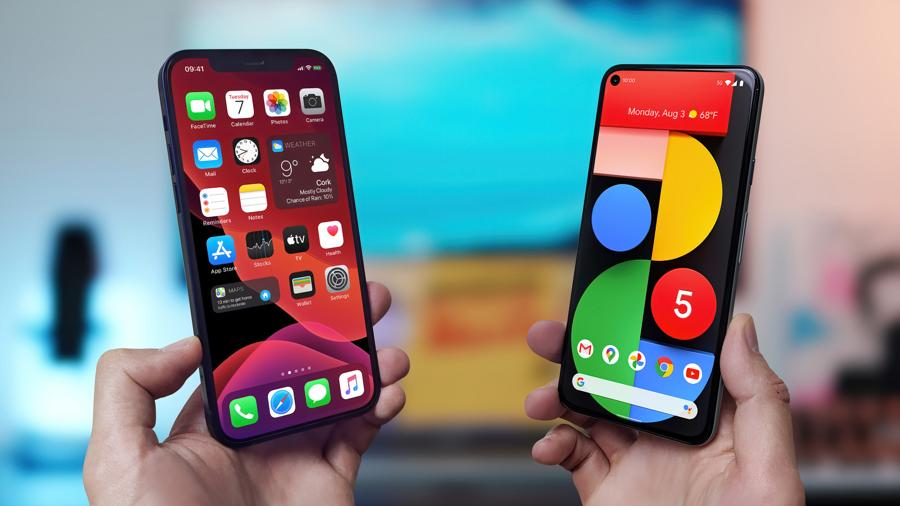
A Utah lawmaker is urging the state to formally examine the divide between iPhone and Android devices, citing concerns around messaging compatibility and consumer experience. The proposal does not mandate a preferred device but seeks to elevate the issue into public policy discussions.
The long-running rivalry between iPhone and Android users is usually confined to marketing campaigns, group chat frustrations, and online jokes. In Utah, it has now reached the statehouse. A lawmaker is asking whether the state should take an official position—if only symbolically—on how mobile platforms interact and how that affects residents.
The move stands out not because it would force Utahns to choose one device over another, but because it reflects growing political attention on how private technology standards shape everyday communication.
From green bubbles to policy debate
At the center of the discussion is the messaging divide between Apple’s iPhone and Google’s Android devices. When users text across platforms, features like high-quality media, read receipts, and typing indicators often break down, creating a visibly different experience.
For years, consumer frustration over these limitations has been treated as a design choice rather than a policy issue. The Utah proposal reframes it as a matter of interoperability and fairness, particularly as smartphones have become essential tools for work, education, and civic engagement.
The debate indirectly places pressure on Apple and Google, whose competing approaches to messaging standards have shaped how billions of users communicate.
What the lawmaker is actually proposing
The proposal under discussion would not require Utah agencies or residents to use a specific device. Instead, it calls for the state to acknowledge the consumer impact of closed or semi-closed messaging ecosystems and to consider whether interoperability should be encouraged as a policy principle.
Supporters argue that when communication tools become near-universal infrastructure, design decisions by private companies can have public consequences. Critics counter that the state has little authority—or technical leverage—to influence platform-level decisions made by global tech firms.
The conversation is unfolding within the Utah Legislature, where technology policy has increasingly intersected with privacy, child safety, and platform accountability debates.
Why this matters beyond Utah
Although the proposal is local, it echoes broader global pressure on platform interoperability. Regulators in Europe and elsewhere have already pushed large technology companies to open certain systems, particularly where market dominance limits consumer choice.
The Utah discussion illustrates how even symbolic actions by states can signal shifting expectations. For startups and developers, it reinforces the importance of building services that work across ecosystems rather than depending on platform lock-in.
For consumers, it reflects a growing recognition that everyday digital friction—like broken group chats—is not just a nuisance but a consequence of strategic business decisions.
Industry implications and limits of state power
Neither iPhone nor Android faces immediate regulatory risk from Utah’s discussion alone. Any meaningful change to messaging standards would still depend on corporate decisions or federal and international regulation.
Still, industry observers note that state-level attention can accumulate. What begins as a conversation can evolve into procurement preferences, consumer protection framing, or coordinated pressure with other states.
Looking ahead, the Utah debate is less about declaring a winner in the iPhone-versus-Android rivalry and more about signaling that platform design choices are no longer immune from public scrutiny.