Apple’s 2026 roadmap is expected to combine new hardware categories with deeper AI integration, including connected glasses, a possible foldable iPhone, and a fundamentally reworked Siri. Together, these moves suggest a strategic reset rather than incremental updates.
Apple has built its modern identity on controlled evolution. Major product lines change slowly, new categories appear infrequently, and platform shifts are usually spread across several years. That is why the convergence of rumors around 2026 stands out.
Taken individually, connected glasses, a foldable iPhone, or a new Siri would each be meaningful. Viewed together, they point to something broader: Apple preparing for a post-smartphone-centric era while attempting to reassert leadership in artificial intelligence.
Based on publicly available information and supply-chain reporting, 2026 could mark one of the most consequential inflection points for the company since the introduction of the Apple Watch.
Connected glasses as Apple’s next interface bet
Apple’s long-running work on augmented reality has yet to produce a mass-market device. While mixed-reality headsets have demonstrated technical ambition, they remain niche products. Connected glasses would represent a different approach—lighter, more discreet, and designed for everyday use.
If Apple introduces connected glasses in 2026, they are unlikely to function as standalone computers. Instead, they would probably depend heavily on the iPhone and cloud services, acting as a new interface layer rather than a replacement device.
This matters because Apple has historically succeeded by redefining how users interact with technology. The mouse, the touchscreen, and the smartwatch each reshaped behavior. Glasses that surface contextual information—navigation, notifications, lightweight AR cues—could extend that pattern without demanding radical habit changes.
For developers, such a device would open new design constraints and opportunities, especially around glanceable information and ambient computing.
The foldable iPhone as a controlled experiment
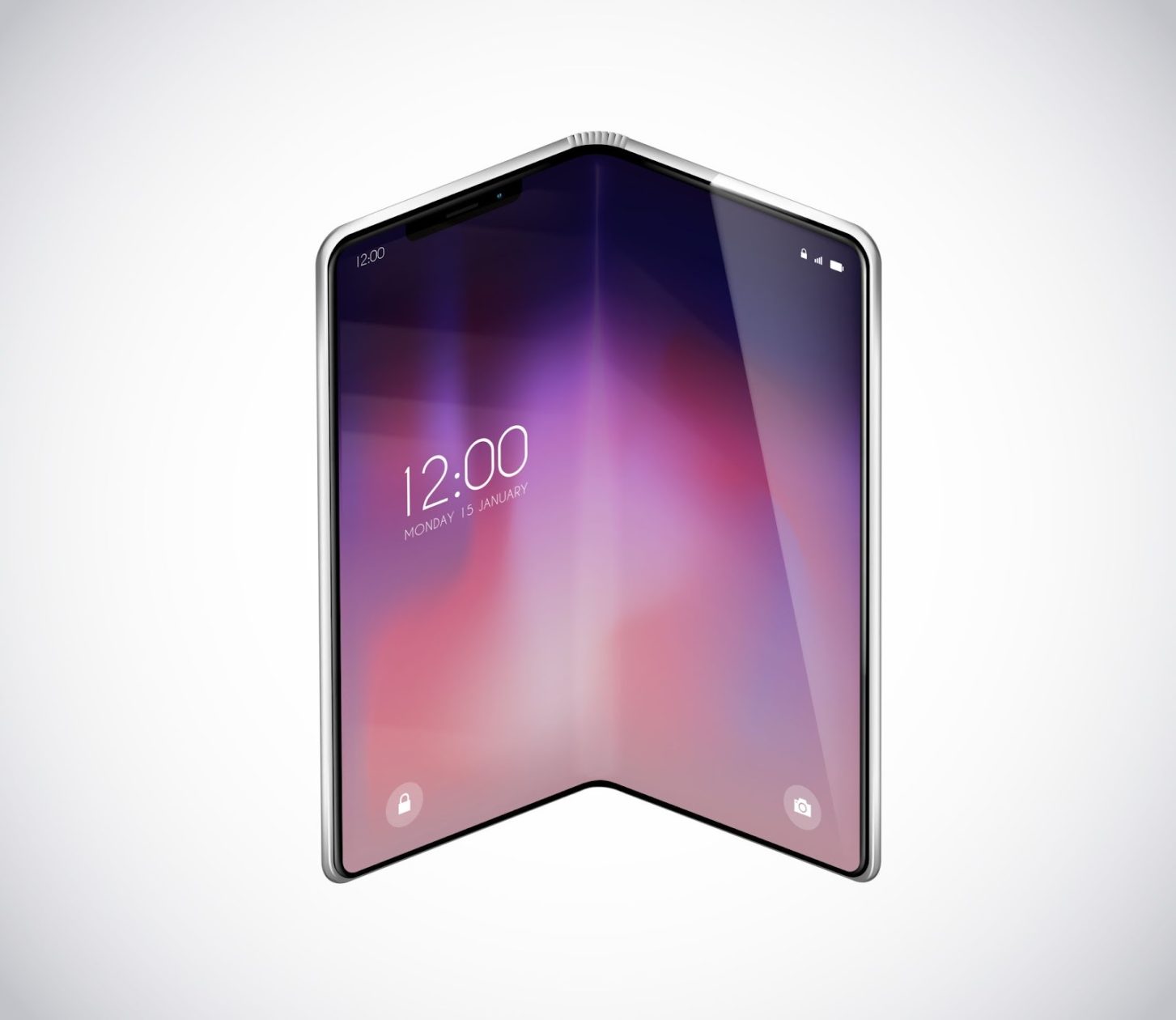
The possibility of a foldable iPhone has circulated for years, but 2026 is increasingly cited as a realistic window. Apple’s hesitation has been notable, especially as competitors pushed foldables into mainstream awareness.
If Apple does enter the category, it is likely to do so cautiously. A foldable iPhone would probably sit at the top of the lineup, priced well above existing models, and positioned as a productivity-focused device rather than a mass upgrade.
More than unit sales, the strategic value would lie in platform expansion. A foldable form factor forces iOS to accommodate new multitasking patterns, screen states, and app behaviors. That groundwork could later support other large or flexible displays, including tablets or future wearables.
In that sense, a foldable iPhone would be less about chasing a trend and more about future-proofing Apple’s software ecosystem.
Siri’s long-awaited reset
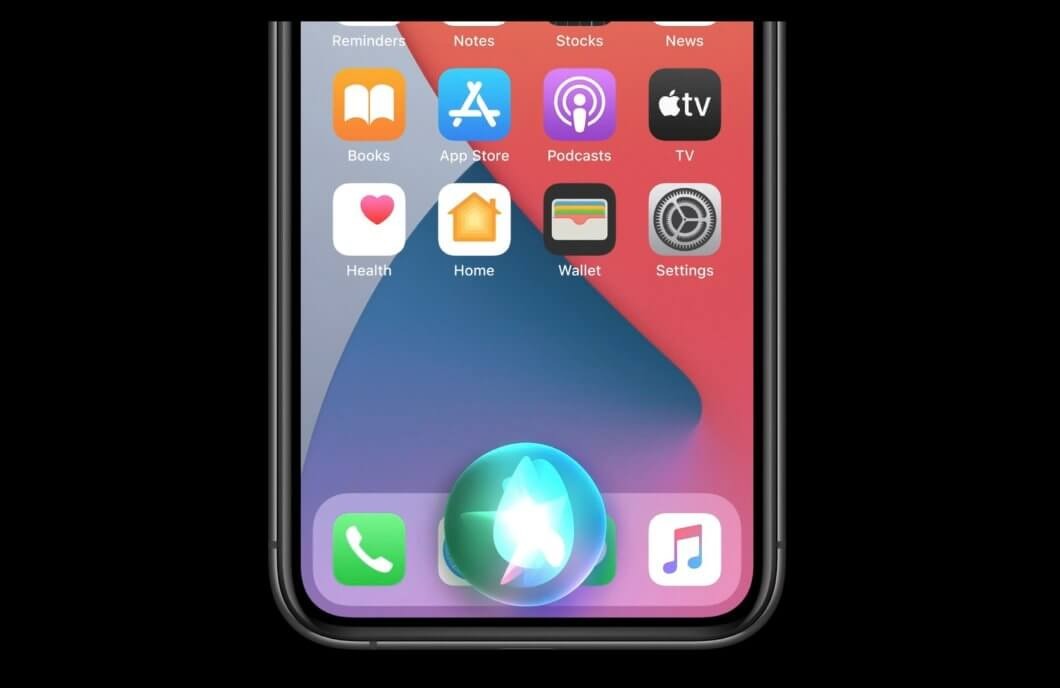
No element of Apple’s 2026 roadmap carries more reputational weight than Siri. Once an early leader in voice assistants, Siri has struggled to keep pace with advances in large language models and generative AI.
A redesigned Siri, expected to leverage more advanced on-device and cloud-based AI, would signal Apple’s intent to close that gap. Rather than focusing solely on conversational ability, the emphasis is likely to be on task completion across apps and devices.
This is where Apple’s ecosystem advantage becomes critical. A smarter Siri tightly integrated with system controls, personal data (with privacy safeguards), and third-party apps could become a unifying layer across iPhone, glasses, and other hardware.
For users, the test will be whether Siri finally feels proactive and reliable rather than limited and reactive.
A convergence of hardware and AI strategy
What makes 2026 distinctive is not any single product, but the alignment between hardware experimentation and AI investment. Connected glasses demand new input methods. Foldables require adaptive interfaces. A modern Siri needs context, continuity, and trust.
These pieces reinforce one another. Glasses become more useful with a capable voice assistant. A foldable screen benefits from intelligent task management. Siri gains relevance when it can act across multiple form factors.
This convergence suggests Apple is thinking less in terms of devices and more in terms of interaction layers—how users access information, issue commands, and move between physical and digital spaces.
Market and competitive implications
Apple’s timing is deliberate. The consumer electronics market is mature, smartphone growth is flat, and AI has become the primary axis of competition. Rivals are already shipping AI-forward devices, but often with fragmented experiences.
Apple’s advantage has always been integration. If it can deliver connected glasses, a foldable phone, and a materially improved Siri as parts of a coherent system, it could reset expectations for consumer technology.
Failure, however, would be visible. A weak Siri relaunch or underwhelming new hardware would reinforce criticism that Apple is moving too slowly in an AI-driven market.
Why 2026 matters more than previous cycles
Apple regularly faces pressure to “do something new,” but most years resolve into incremental upgrades. The signals around 2026 are different in scale and scope.
They point to Apple confronting three long-term questions at once: what comes after the smartphone, how AI fits into its privacy-first philosophy, and how new interfaces can coexist with familiar ones.
Whether all rumored products ship on schedule is uncertain. Apple is known for delaying or canceling projects that fail to meet internal standards. But even the direction of travel suggests that 2026 will not be a routine year.
If Apple succeeds, 2026 could be remembered as the moment the company quietly repositioned itself for the next decade of personal computing.