Apple’s 2026 iPhone Lineup: What the Launch Calendar Signals

Share via:

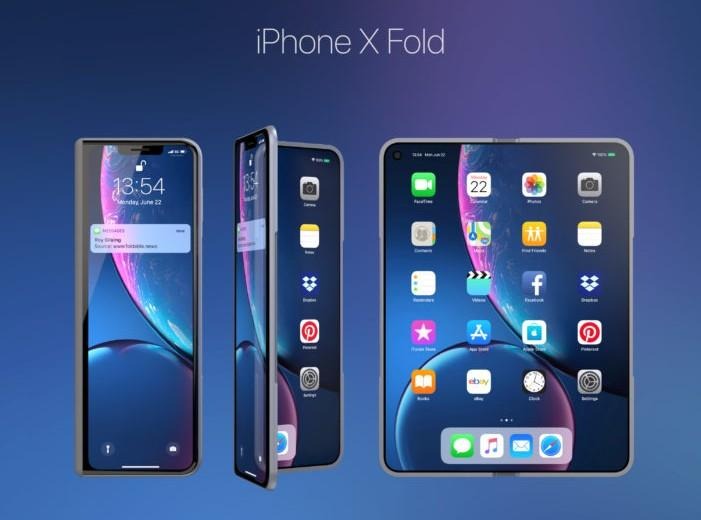
Apple’s rumored 2026 iPhone launch calendar suggests a broader and more segmented lineup, including standard, Pro, and potentially the company’s first foldable model. The staggered releases indicate Apple may be rethinking how often—and for whom—it refreshes the iPhone.

iPhone launches have long followed a predictable rhythm: a September keynote, a clean split between standard and Pro models, and incremental iteration year over year. The early picture emerging for 2026 challenges that assumption.

Based on publicly circulating reports and supply-chain signals, Apple appears to be preparing its most complex iPhone calendar yet—one that stretches beyond a single launch window and introduces form factors the company has so far resisted. The most notable possibility is a foldable iPhone, but the broader implication is more significant: Apple may be moving toward a portfolio strategy rather than a once-a-year refresh.

A more crowded launch calendar

For most of the last decade, the company has unveiled its flagship iPhones in September, with occasional spring updates limited to the iPhone SE. The 2026 roadmap, as currently understood, points to multiple release moments across the year.

The expected fall launch would still anchor the cycle, likely introducing the next-generation Pro and Pro Max devices. However, additional models—potentially including a redesigned base iPhone and a new ultra-premium variant—could arrive earlier or later, depending on positioning.

This approach mirrors what the company has already done with other product lines. The iPad and Mac portfolios now refresh on staggered schedules, targeting different users at different times. Applying that logic to the iPhone would mark a notable departure from tradition.

The foldable question

The most closely watched rumor in the 2026 lineup is Apple’s first foldable iPhone. While foldables have been on the market for years, Apple has taken a cautious approach, citing durability, display creasing, and long-term reliability as unresolved challenges.

If a foldable does arrive in 2026, it is unlikely to be positioned as a mass-market device. Instead, it would probably sit above the Pro Max in price, aimed at early adopters and power users. That would allow Apple to test demand without forcing the form factor into its core lineup.

A foldable would also serve as a signal to developers. New screen sizes, multitasking behaviors, and interface conventions would push the iOS ecosystem into territory that Android developers have been navigating for years.

Differentiation between standard and Pro models
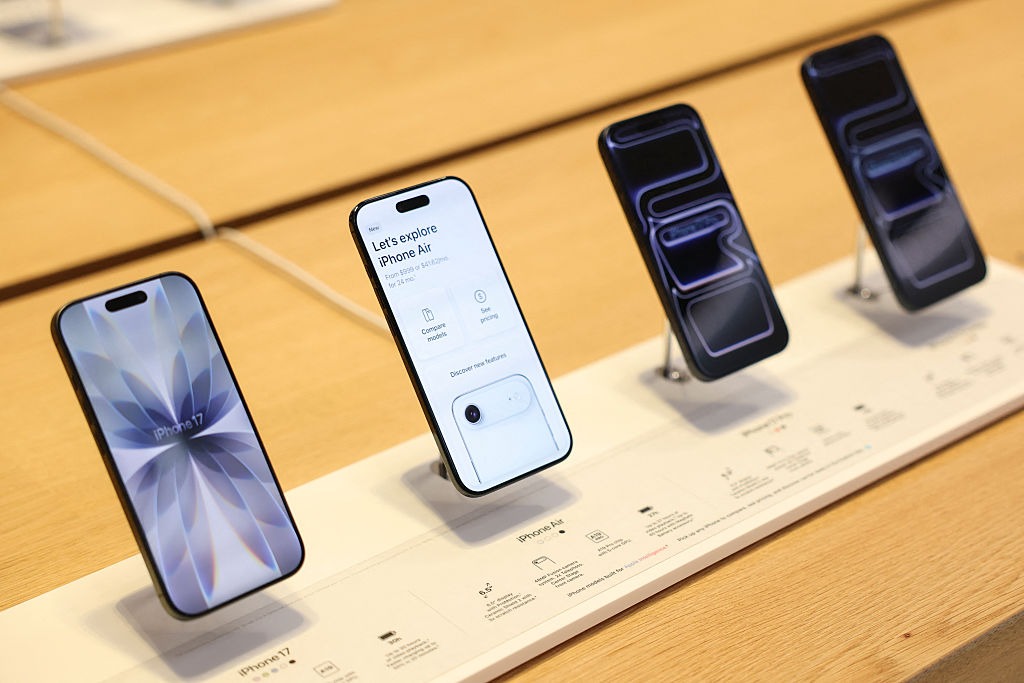
Another theme emerging from 2026 rumors is sharper differentiation between standard and Pro iPhones. In recent cycles, Apple has already limited features like advanced camera systems and display technologies to higher-end models.

That gap could widen further. Reports suggest that Apple may reserve its most advanced silicon, imaging hardware, and AI-related features for Pro devices, while standard models focus on efficiency and longevity.

For consumers, this could clarify buying decisions but also raise prices at the top end. For Apple, it reinforces a strategy that prioritizes average selling price growth over unit volume.

Supply chain and manufacturing implications

A staggered launch calendar is not just a marketing decision; it reflects manufacturing realities. Producing multiple iPhone variants simultaneously strains suppliers and assembly partners, particularly as components become more specialized.

By spreading releases across the year, Apple could smooth production ramps and reduce peak-season bottlenecks. This is especially relevant if new form factors like foldables require different materials, yields, and quality-control processes.

It also gives Apple flexibility. If a particular model faces delays—something that has become more common in recent years—it would not necessarily disrupt the entire lineup.

Competitive pressure in the smartphone market

Apple’s evolving roadmap should be viewed in the context of intensifying competition. Smartphone growth has slowed globally, and differentiation increasingly comes from hardware design rather than raw performance.

Foldables, satellite connectivity, and on-device AI features are becoming table stakes in the premium segment. While Apple does not typically chase trends, it also avoids falling visibly behind. A 2026 foldable would place Apple later than some rivals, but potentially with a more refined product.

At the same time, expanding the lineup helps Apple defend market share across price tiers, particularly in regions where consumers hold onto devices longer and replacement cycles are stretched.

What it means for users and developers

For users, a broader iPhone lineup could be both a benefit and a complication. More choice allows buyers to better match devices to their needs, but it also introduces complexity into upgrade decisions that were once straightforward.

Developers face a similar trade-off. Supporting a wider range of screen sizes and hardware capabilities increases testing overhead, but it also opens opportunities for richer experiences—especially if Apple introduces new interaction models through foldables.

Apple’s challenge will be maintaining the simplicity that has defined the iPhone brand while quietly expanding its scope.

A turning point rather than a one-off

The rumored 2026 iPhone calendar should not be viewed as an isolated experiment. It fits into a broader pattern of Apple diversifying its hardware portfolio and decoupling major updates from a single annual event.

Whether all of these rumored devices ultimately ship remains to be seen. Apple is known for testing multiple paths internally and shipping only what meets its standards. But even the shape of the rumors points to a company reassessing how the iPhone fits into a maturing market.

If 2026 does bring a foldable iPhone alongside a more segmented lineup, it will likely be remembered less for any single device and more as the moment Apple quietly rewrote the rules of its most important product.

Disclaimer

We strive to uphold the highest ethical standards in all of our reporting and coverage. We StartupNews.fyi want to be transparent with our readers about any potential conflicts of interest that may arise in our work. It’s possible that some of the investors we feature may have connections to other businesses, including competitors or companies we write about. However, we want to assure our readers that this will not have any impact on the integrity or impartiality of our reporting. We are committed to delivering accurate, unbiased news and information to our audience, and we will continue to uphold our ethics and principles in all of our work. Thank you for your trust and support.

Editorial Team
StartupNews.fyi is a leading global startup and technology media platform known for its end-to-end coverage of the startup ecosystem across India and key international markets. Launched with the vision of becoming a single gateway for founders, investors, and ecosystem enablers, StartupNews.fyi has grown steadily over the years by publishing tens of thousands of verified news stories, insights, and ecosystem updates, reaching millions of startup enthusiasts every month through its digital platforms and communities.

Popular

More Like this

Apple’s 2026 iPhone Lineup: What the Launch Calendar Signals

Apple’s rumored 2026 iPhone launch calendar suggests a broader and more segmented lineup, including standard, Pro, and potentially the company’s first foldable model. The staggered releases indicate Apple may be rethinking how often—and for whom—it refreshes the iPhone.

iPhone launches have long followed a predictable rhythm: a September keynote, a clean split between standard and Pro models, and incremental iteration year over year. The early picture emerging for 2026 challenges that assumption.

Based on publicly circulating reports and supply-chain signals, Apple appears to be preparing its most complex iPhone calendar yet—one that stretches beyond a single launch window and introduces form factors the company has so far resisted. The most notable possibility is a foldable iPhone, but the broader implication is more significant: Apple may be moving toward a portfolio strategy rather than a once-a-year refresh.

A more crowded launch calendar

For most of the last decade, the company has unveiled its flagship iPhones in September, with occasional spring updates limited to the iPhone SE. The 2026 roadmap, as currently understood, points to multiple release moments across the year.

The expected fall launch would still anchor the cycle, likely introducing the next-generation Pro and Pro Max devices. However, additional models—potentially including a redesigned base iPhone and a new ultra-premium variant—could arrive earlier or later, depending on positioning.

This approach mirrors what the company has already done with other product lines. The iPad and Mac portfolios now refresh on staggered schedules, targeting different users at different times. Applying that logic to the iPhone would mark a notable departure from tradition.

The foldable question

The most closely watched rumor in the 2026 lineup is Apple’s first foldable iPhone. While foldables have been on the market for years, Apple has taken a cautious approach, citing durability, display creasing, and long-term reliability as unresolved challenges.

If a foldable does arrive in 2026, it is unlikely to be positioned as a mass-market device. Instead, it would probably sit above the Pro Max in price, aimed at early adopters and power users. That would allow Apple to test demand without forcing the form factor into its core lineup.

A foldable would also serve as a signal to developers. New screen sizes, multitasking behaviors, and interface conventions would push the iOS ecosystem into territory that Android developers have been navigating for years.

Differentiation between standard and Pro models

Another theme emerging from 2026 rumors is sharper differentiation between standard and Pro iPhones. In recent cycles, Apple has already limited features like advanced camera systems and display technologies to higher-end models.

That gap could widen further. Reports suggest that Apple may reserve its most advanced silicon, imaging hardware, and AI-related features for Pro devices, while standard models focus on efficiency and longevity.

For consumers, this could clarify buying decisions but also raise prices at the top end. For Apple, it reinforces a strategy that prioritizes average selling price growth over unit volume.

Supply chain and manufacturing implications

A staggered launch calendar is not just a marketing decision; it reflects manufacturing realities. Producing multiple iPhone variants simultaneously strains suppliers and assembly partners, particularly as components become more specialized.

By spreading releases across the year, Apple could smooth production ramps and reduce peak-season bottlenecks. This is especially relevant if new form factors like foldables require different materials, yields, and quality-control processes.

It also gives Apple flexibility. If a particular model faces delays—something that has become more common in recent years—it would not necessarily disrupt the entire lineup.

Competitive pressure in the smartphone market

Apple’s evolving roadmap should be viewed in the context of intensifying competition. Smartphone growth has slowed globally, and differentiation increasingly comes from hardware design rather than raw performance.

Foldables, satellite connectivity, and on-device AI features are becoming table stakes in the premium segment. While Apple does not typically chase trends, it also avoids falling visibly behind. A 2026 foldable would place Apple later than some rivals, but potentially with a more refined product.

At the same time, expanding the lineup helps Apple defend market share across price tiers, particularly in regions where consumers hold onto devices longer and replacement cycles are stretched.

What it means for users and developers

For users, a broader iPhone lineup could be both a benefit and a complication. More choice allows buyers to better match devices to their needs, but it also introduces complexity into upgrade decisions that were once straightforward.

Developers face a similar trade-off. Supporting a wider range of screen sizes and hardware capabilities increases testing overhead, but it also opens opportunities for richer experiences—especially if Apple introduces new interaction models through foldables.

Apple’s challenge will be maintaining the simplicity that has defined the iPhone brand while quietly expanding its scope.

A turning point rather than a one-off

The rumored 2026 iPhone calendar should not be viewed as an isolated experiment. It fits into a broader pattern of Apple diversifying its hardware portfolio and decoupling major updates from a single annual event.

Whether all of these rumored devices ultimately ship remains to be seen. Apple is known for testing multiple paths internally and shipping only what meets its standards. But even the shape of the rumors points to a company reassessing how the iPhone fits into a maturing market.

If 2026 does bring a foldable iPhone alongside a more segmented lineup, it will likely be remembered less for any single device and more as the moment Apple quietly rewrote the rules of its most important product.

Disclaimer

We strive to uphold the highest ethical standards in all of our reporting and coverage. We StartupNews.fyi want to be transparent with our readers about any potential conflicts of interest that may arise in our work. It’s possible that some of the investors we feature may have connections to other businesses, including competitors or companies we write about. However, we want to assure our readers that this will not have any impact on the integrity or impartiality of our reporting. We are committed to delivering accurate, unbiased news and information to our audience, and we will continue to uphold our ethics and principles in all of our work. Thank you for your trust and support.

Website Upgradation is going on for any glitch kindly connect at office@startupnews.fyi

Editorial Team
StartupNews.fyi is a leading global startup and technology media platform known for its end-to-end coverage of the startup ecosystem across India and key international markets. Launched with the vision of becoming a single gateway for founders, investors, and ecosystem enablers, StartupNews.fyi has grown steadily over the years by publishing tens of thousands of verified news stories, insights, and ecosystem updates, reaching millions of startup enthusiasts every month through its digital platforms and communities.

More like this

Android’s Full Desktop Mode Surfaces in Accidental Chromium Leak

A bug report filed on the Chromium Issue...

AMD Ryzen 7 9850X3D review: The world’s fastest gaming...

Why you can trust Tom's Hardware Our expert reviewers spend...

Popular

best iptv best iptv best iptv best iptv best iptv best iptv best iptv best iptv best iptv best iptv best iptv best iptv best iptv best iptv best iptv best iptv best iptv best iptv best iptv best iptv best iptv best iptv best iptv best iptv best iptv best iptv best iptv best iptv best iptv best iptv best iptv best iptv best iptv best iptv best iptv best iptv best iptv best iptv best iptv best iptv best iptv best iptv best iptv best iptv best iptv best iptv best iptv best iptv best iptv best iptv best iptv best iptv best iptv best iptv best iptv best iptv best iptv best iptv best iptv best iptv best iptv best iptv best iptv best iptv best iptv best iptv best iptv best iptv best iptv best iptv best iptv best iptv best iptv best iptv best iptv best iptv best iptv best iptv best iptv best iptv best iptv best iptv best iptv best iptv best iptv best iptv best iptv best iptv best iptv best iptv best iptv best iptv best iptv best iptv best iptv best iptv best iptv best iptv best iptv best iptv best iptv best iptv best iptv best iptv best iptv best iptv best iptv best iptv best iptv best iptv best iptv best iptv best iptv best iptv best iptv best iptv best iptv best iptv best iptv best iptv best iptv best iptv best iptv best iptv best iptv best iptv best iptv best iptv best iptv best iptv best iptv best iptv best iptv best iptv best iptv best iptv best iptv best iptv best iptv best iptv best iptv best iptv best iptv best iptv best iptv best iptv best iptv best iptv best iptv best iptv best iptv best iptv best iptv best iptv best iptv best iptv best iptv best iptv best iptv best iptv best iptv best iptv best iptv best iptv best iptv best iptv best iptv best iptv best iptv best iptv best iptv best iptv best iptv best iptv best iptv best iptv best iptv best iptv best iptv best iptv best iptv best iptv best iptv best iptv best iptv best iptv best iptv best iptv best iptv best iptv best iptv best iptv best iptv best iptv best iptv best iptv best iptv best iptv best iptv iptv iptv iptv iptv iptv iptv iptv iptv iptv iptv iptv iptv iptv portugal iptv portugal iptv portugal iptv portugal iptv portugal iptv portugal iptv portugal iptv portugal iptv portugal iptv portugal iptv portugal iptv portugal iptv iptv iptv iptv iptv iptv iptv iptv iptv iptv iptv iptv
