ClawdBot and MoltBot: What’s Driving the Viral Personal AI Assistant Craze

Share via:

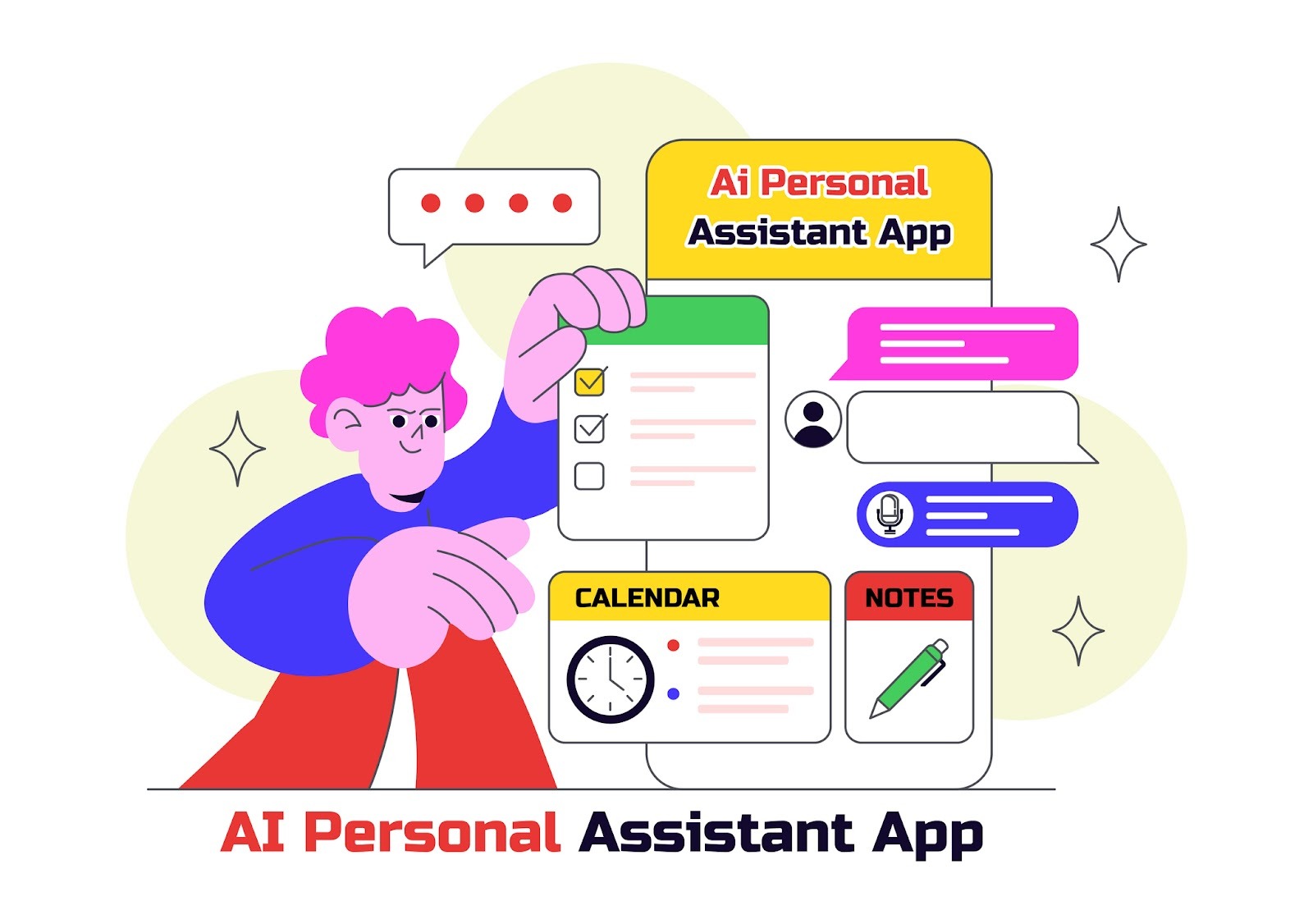
ClawdBot is a consumer-focused personal AI assistant that went viral in early 2026 for automating daily digital tasks with minimal setup. Its follow-on evolution, MoltBot, reflects a broader shift toward more autonomous, agent-like consumer AI systems.

ClawdBot’s sudden rise did not come from a high-profile launch event or a marquee enterprise contract. Instead, it spread through short demo clips and word-of-mouth posts showing the assistant quietly handling email triage, calendar conflicts, web research, and lightweight coding tasks—often with little more than a single prompt.

That virality matters because it arrives at a moment when consumer AI is struggling to move beyond novelty. After two years of chatbot saturation, users have grown skeptical of assistants that talk fluently but still require constant supervision. ClawdBot’s appeal is rooted in a different promise: not better conversation, but visible follow-through.

The appearance of MoltBot, positioned as an evolution rather than a replacement, suggests the company behind ClawdBot is leaning into that shift.

From conversational AI to task execution

At its core, ClawdBot reframed how personal AI assistants present value. Instead of emphasizing personality or breadth of knowledge, the product focused on narrow but repeatable workflows. Users demonstrated ClawdBot scraping information from the web, summarizing it, and then taking a follow-up action—sending an email, updating a document, or scheduling a task—without being prompted step by step.

This approach aligns with a broader industry movement toward “agentic” systems, where AI models are designed to plan, execute, and verify tasks autonomously. What set ClawdBot apart, at least in early demos, was how accessible that capability appeared to be. There were no complex configuration files or developer tools in sight.

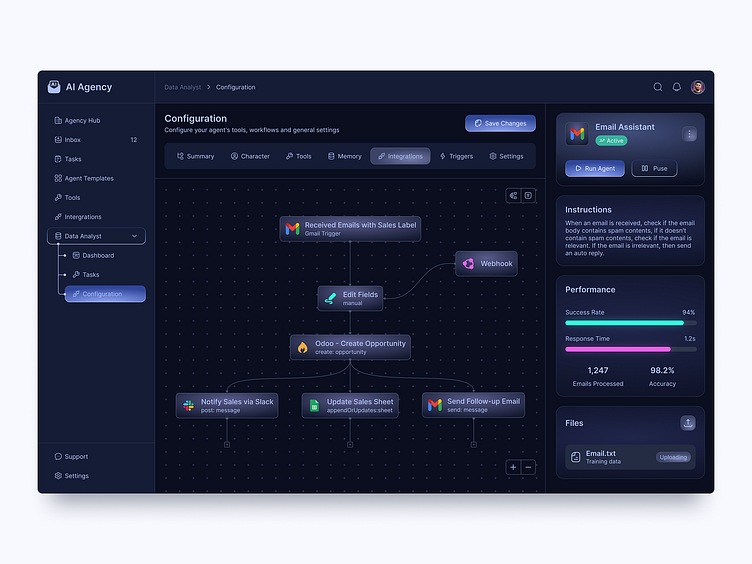
MoltBot builds on that foundation. Based on publicly available information, it introduces longer task memory, more persistent context across sessions, and the ability to chain actions across multiple services. In practical terms, that means a user could ask the assistant to prepare for a meeting days in advance, monitor changes, and adjust outputs as new information appears.

Why ClawdBot resonated with everyday users

The viral spread of ClawdBot says as much about user fatigue as it does about technical innovation. Many consumers have learned how to prompt large language models, but fewer are willing to manage them actively throughout the day.

ClawdBot’s demonstrations consistently showed a reduction in “AI babysitting.” The assistant was not just generating drafts; it was completing loops. That distinction resonated with freelancers, students, and solo founders—groups that often act as early adopters for productivity tools.

For these users, the value proposition is straightforward. Time saved on coordination, research, and administrative tasks compounds quickly. Even modest improvements can feel transformative when applied daily.

The competitive landscape is already crowded

ClawdBot is not operating in a vacuum. Major technology companies and well-funded startups are all racing to define the next generation of personal AI. Most are converging on similar ideas: autonomous agents, tool use, and persistent memory.

What differentiates ClawdBot, at least for now, is distribution rather than raw capability. Its growth was driven by organic sharing rather than enterprise sales or app store promotion. That makes its momentum fragile but also harder for competitors to replicate quickly.

MoltBot’s release timing appears designed to capitalize on that attention. By framing the update as a natural “molt” rather than a radical pivot, the company signaled continuity. Users who invested time learning ClawdBot’s behavior are not being asked to start over.

Implications for the consumer AI market

For startups building consumer AI products, ClawdBot’s trajectory offers a clear lesson: execution beats exposition. Users are increasingly indifferent to model benchmarks or architectural details. What they notice is whether an assistant actually reduces cognitive load.

This has implications for monetization as well. Consumers have shown limited willingness to pay for chat access alone. Tools that demonstrably replace multiple apps—or reduce the need to switch between them—have a stronger case for subscription pricing.

From a platform perspective, the rise of tools like ClawdBot also raises questions about ecosystem control. As personal AI assistants become more capable, they may sit between users and the services they rely on, reshaping how value is distributed across the stack.
Regulatory and trust considerations

Greater autonomy brings greater risk. An assistant that can act on a user’s behalf must handle sensitive data and make judgment calls. While ClawdBot’s viral demos focused on productivity, widespread adoption will inevitably surface edge cases involving errors, privacy, and misuse.

Regulators in the United States and Europe are already scrutinizing AI systems that operate with limited human oversight. Consumer-facing agents could draw particular attention if they blur the line between assistance and delegation.

Transparency around what MoltBot can and cannot do will matter. Clear audit trails, permission controls, and user override mechanisms are likely to become table stakes rather than optional features.

A signal, not a finished story

ClawdBot’s viral moment should be understood as a signal rather than a conclusion. It highlights growing demand for AI systems that act, not just respond. MoltBot’s emergence suggests the company is aware that novelty fades quickly and that sustained relevance depends on depth, reliability, and trust.

For the broader tech ecosystem, the lesson is clear. The next phase of consumer AI will not be won by the most articulate chatbot, but by the assistant that quietly gets things done—and knows when to step back.


Disclaimer

We strive to uphold the highest ethical standards in all of our reporting and coverage. We StartupNews.fyi want to be transparent with our readers about any potential conflicts of interest that may arise in our work. It’s possible that some of the investors we feature may have connections to other businesses, including competitors or companies we write about. However, we want to assure our readers that this will not have any impact on the integrity or impartiality of our reporting. We are committed to delivering accurate, unbiased news and information to our audience, and we will continue to uphold our ethics and principles in all of our work. Thank you for your trust and support.

Sreejit
Sreejit Kumar is a media and communications professional with over two years of experience across digital publishing, social media marketing, and content management. With a background in journalism and advertising, he focuses on crafting and managing multi-platform news content that drives audience engagement and measurable growth.

Popular

More Like this

ClawdBot and MoltBot: What’s Driving the Viral Personal AI Assistant Craze

ClawdBot is a consumer-focused personal AI assistant that went viral in early 2026 for automating daily digital tasks with minimal setup. Its follow-on evolution, MoltBot, reflects a broader shift toward more autonomous, agent-like consumer AI systems.

ClawdBot’s sudden rise did not come from a high-profile launch event or a marquee enterprise contract. Instead, it spread through short demo clips and word-of-mouth posts showing the assistant quietly handling email triage, calendar conflicts, web research, and lightweight coding tasks—often with little more than a single prompt.

That virality matters because it arrives at a moment when consumer AI is struggling to move beyond novelty. After two years of chatbot saturation, users have grown skeptical of assistants that talk fluently but still require constant supervision. ClawdBot’s appeal is rooted in a different promise: not better conversation, but visible follow-through.

The appearance of MoltBot, positioned as an evolution rather than a replacement, suggests the company behind ClawdBot is leaning into that shift.

From conversational AI to task execution

At its core, ClawdBot reframed how personal AI assistants present value. Instead of emphasizing personality or breadth of knowledge, the product focused on narrow but repeatable workflows. Users demonstrated ClawdBot scraping information from the web, summarizing it, and then taking a follow-up action—sending an email, updating a document, or scheduling a task—without being prompted step by step.

This approach aligns with a broader industry movement toward “agentic” systems, where AI models are designed to plan, execute, and verify tasks autonomously. What set ClawdBot apart, at least in early demos, was how accessible that capability appeared to be. There were no complex configuration files or developer tools in sight.

MoltBot builds on that foundation. Based on publicly available information, it introduces longer task memory, more persistent context across sessions, and the ability to chain actions across multiple services. In practical terms, that means a user could ask the assistant to prepare for a meeting days in advance, monitor changes, and adjust outputs as new information appears.

Why ClawdBot resonated with everyday users

The viral spread of ClawdBot says as much about user fatigue as it does about technical innovation. Many consumers have learned how to prompt large language models, but fewer are willing to manage them actively throughout the day.

ClawdBot’s demonstrations consistently showed a reduction in “AI babysitting.” The assistant was not just generating drafts; it was completing loops. That distinction resonated with freelancers, students, and solo founders—groups that often act as early adopters for productivity tools.

For these users, the value proposition is straightforward. Time saved on coordination, research, and administrative tasks compounds quickly. Even modest improvements can feel transformative when applied daily.

The competitive landscape is already crowded

ClawdBot is not operating in a vacuum. Major technology companies and well-funded startups are all racing to define the next generation of personal AI. Most are converging on similar ideas: autonomous agents, tool use, and persistent memory.

What differentiates ClawdBot, at least for now, is distribution rather than raw capability. Its growth was driven by organic sharing rather than enterprise sales or app store promotion. That makes its momentum fragile but also harder for competitors to replicate quickly.

MoltBot’s release timing appears designed to capitalize on that attention. By framing the update as a natural “molt” rather than a radical pivot, the company signaled continuity. Users who invested time learning ClawdBot’s behavior are not being asked to start over.

Implications for the consumer AI market

For startups building consumer AI products, ClawdBot’s trajectory offers a clear lesson: execution beats exposition. Users are increasingly indifferent to model benchmarks or architectural details. What they notice is whether an assistant actually reduces cognitive load.

This has implications for monetization as well. Consumers have shown limited willingness to pay for chat access alone. Tools that demonstrably replace multiple apps—or reduce the need to switch between them—have a stronger case for subscription pricing.

From a platform perspective, the rise of tools like ClawdBot also raises questions about ecosystem control. As personal AI assistants become more capable, they may sit between users and the services they rely on, reshaping how value is distributed across the stack.

Regulatory and trust considerations

Greater autonomy brings greater risk. An assistant that can act on a user’s behalf must handle sensitive data and make judgment calls. While ClawdBot’s viral demos focused on productivity, widespread adoption will inevitably surface edge cases involving errors, privacy, and misuse.

Regulators in the United States and Europe are already scrutinizing AI systems that operate with limited human oversight. Consumer-facing agents could draw particular attention if they blur the line between assistance and delegation.

Transparency around what MoltBot can and cannot do will matter. Clear audit trails, permission controls, and user override mechanisms are likely to become table stakes rather than optional features.

A signal, not a finished story

ClawdBot’s viral moment should be understood as a signal rather than a conclusion. It highlights growing demand for AI systems that act, not just respond. MoltBot’s emergence suggests the company is aware that novelty fades quickly and that sustained relevance depends on depth, reliability, and trust.

For the broader tech ecosystem, the lesson is clear. The next phase of consumer AI will not be won by the most articulate chatbot, but by the assistant that quietly gets things done—and knows when to step back.

Disclaimer

We strive to uphold the highest ethical standards in all of our reporting and coverage. We StartupNews.fyi want to be transparent with our readers about any potential conflicts of interest that may arise in our work. It’s possible that some of the investors we feature may have connections to other businesses, including competitors or companies we write about. However, we want to assure our readers that this will not have any impact on the integrity or impartiality of our reporting. We are committed to delivering accurate, unbiased news and information to our audience, and we will continue to uphold our ethics and principles in all of our work. Thank you for your trust and support.

Website Upgradation is going on for any glitch kindly connect at office@startupnews.fyi

Sreejit
Sreejit Kumar is a media and communications professional with over two years of experience across digital publishing, social media marketing, and content management. With a background in journalism and advertising, he focuses on crafting and managing multi-platform news content that drives audience engagement and measurable growth.

More like this

TurboTax Deluxe is 44 percent off ahead of tax...

Tax season is fast approaching, and unfortunately for 2026,...

Popular

best iptv best iptv best iptv best iptv best iptv best iptv best iptv best iptv best iptv best iptv best iptv best iptv best iptv best iptv best iptv best iptv best iptv best iptv best iptv best iptv best iptv best iptv best iptv best iptv best iptv best iptv best iptv best iptv best iptv best iptv best iptv best iptv best iptv best iptv best iptv best iptv best iptv best iptv best iptv best iptv best iptv best iptv best iptv best iptv best iptv best iptv best iptv best iptv best iptv best iptv best iptv best iptv best iptv best iptv best iptv best iptv best iptv best iptv best iptv best iptv best iptv best iptv best iptv best iptv best iptv best iptv best iptv best iptv best iptv best iptv best iptv best iptv best iptv best iptv best iptv best iptv best iptv best iptv best iptv best iptv best iptv best iptv best iptv best iptv best iptv best iptv best iptv best iptv best iptv best iptv best iptv best iptv best iptv best iptv best iptv best iptv best iptv best iptv best iptv best iptv best iptv best iptv best iptv best iptv best iptv best iptv best iptv best iptv best iptv best iptv best iptv best iptv best iptv best iptv best iptv best iptv best iptv best iptv best iptv best iptv best iptv best iptv best iptv best iptv best iptv best iptv best iptv best iptv best iptv best iptv best iptv best iptv best iptv best iptv best iptv best iptv best iptv best iptv best iptv best iptv best iptv best iptv best iptv best iptv best iptv best iptv best iptv best iptv best iptv best iptv best iptv best iptv best iptv best iptv best iptv best iptv best iptv best iptv best iptv best iptv best iptv best iptv best iptv best iptv best iptv best iptv best iptv best iptv best iptv best iptv best iptv best iptv best iptv best iptv best iptv best iptv best iptv best iptv best iptv best iptv best iptv best iptv best iptv best iptv best iptv best iptv best iptv best iptv best iptv best iptv best iptv best iptv best iptv best iptv best iptv best iptv best iptv best iptv best iptv iptv iptv iptv iptv iptv iptv iptv iptv iptv iptv iptv iptv iptv portugal iptv portugal iptv portugal iptv portugal iptv portugal iptv portugal iptv portugal iptv portugal iptv portugal iptv portugal iptv portugal iptv portugal iptv iptv iptv iptv iptv iptv iptv iptv iptv iptv iptv iptv