
The U.S. dollar recorded its steepest single-day decline since April, reflecting renewed volatility in currency markets. Former President Donald Trump responded by saying the dollar “hasn’t fallen too low,” adding a political layer to an already fragile market reaction.
The U.S. dollar’s sudden drop this week marked its worst one-day performance since April, underscoring how quickly sentiment can shift in global currency markets. The selloff came amid a mix of economic data, shifting interest-rate expectations, and heightened political commentary that added to investor unease.
Currency traders moved aggressively out of the dollar, pushing it lower against major peers as risk appetite briefly tilted away from U.S. assets. While sharp moves are not uncommon in foreign exchange markets, the speed and breadth of the decline stood out, particularly given the dollar’s recent resilience.
Adding to the moment, Donald Trump weighed in publicly, arguing that the dollar “hasn’t fallen too low,” a remark that was closely watched by markets already sensitive to political signals.
What drove the sudden selloff
The dollar’s decline reflected a convergence of factors rather than a single trigger. Investors reacted to fresh economic signals that reinforced expectations of slower U.S. growth, while also reassessing the outlook for interest rates relative to other major economies.
In foreign exchange markets, even subtle shifts in rate expectations can have outsized effects. When traders believe the gap between U.S. rates and those abroad may narrow, the dollar often loses some of its appeal. That dynamic appeared to be in play during the session, accelerating selling pressure.
At the same time, broader risk sentiment played a role. Moves into equities and higher-yielding assets reduced demand for the dollar as a defensive haven, amplifying the day’s losses.
Trump’s comments and their market impact
Trump’s response to the dollar’s slide did not include policy specifics, but his remarks were notable given his past emphasis on currency strength and trade competitiveness. By suggesting the dollar had not fallen excessively, he appeared to signal comfort with a weaker currency.
For markets, such comments can matter even without formal authority. Traders are acutely aware that political rhetoric can foreshadow future policy preferences, particularly around trade, fiscal stimulus, or pressure on monetary institutions.
While there was no immediate indication that Trump’s statement directly caused the selloff, it reinforced the sense that currency policy could again become a point of political debate—something markets typically view as a source of uncertainty.
How investors are interpreting the move
Despite the size of the drop, many analysts cautioned against overinterpreting a single session. The dollar remains historically strong by several measures, and one sharp decline does not necessarily signal a sustained downtrend.
Still, the move served as a reminder of how quickly positioning can unwind. Large speculative bets on dollar strength had built up over recent months, leaving the market vulnerable to abrupt reversals when sentiment shifts.
For multinational companies and investors with global exposure, even short-term currency swings can affect earnings expectations, hedging costs, and portfolio allocations.
Broader implications for the economy
A weaker dollar carries mixed implications for the U.S. economy. On one hand, it can support exports by making American goods more competitive abroad. On the other, it can increase the cost of imports and complicate efforts to manage inflation.
Policymakers typically avoid commenting directly on day-to-day currency movements, preferring to emphasize long-term fundamentals. However, sustained volatility can influence financial conditions, particularly if it feeds into bond yields or equity markets.
For now, there is little evidence that the dollar’s drop reflects a loss of confidence in the U.S. economy itself. Instead, it highlights the delicate balance between growth expectations, interest rates, and political messaging.
A reminder of currency market fragility
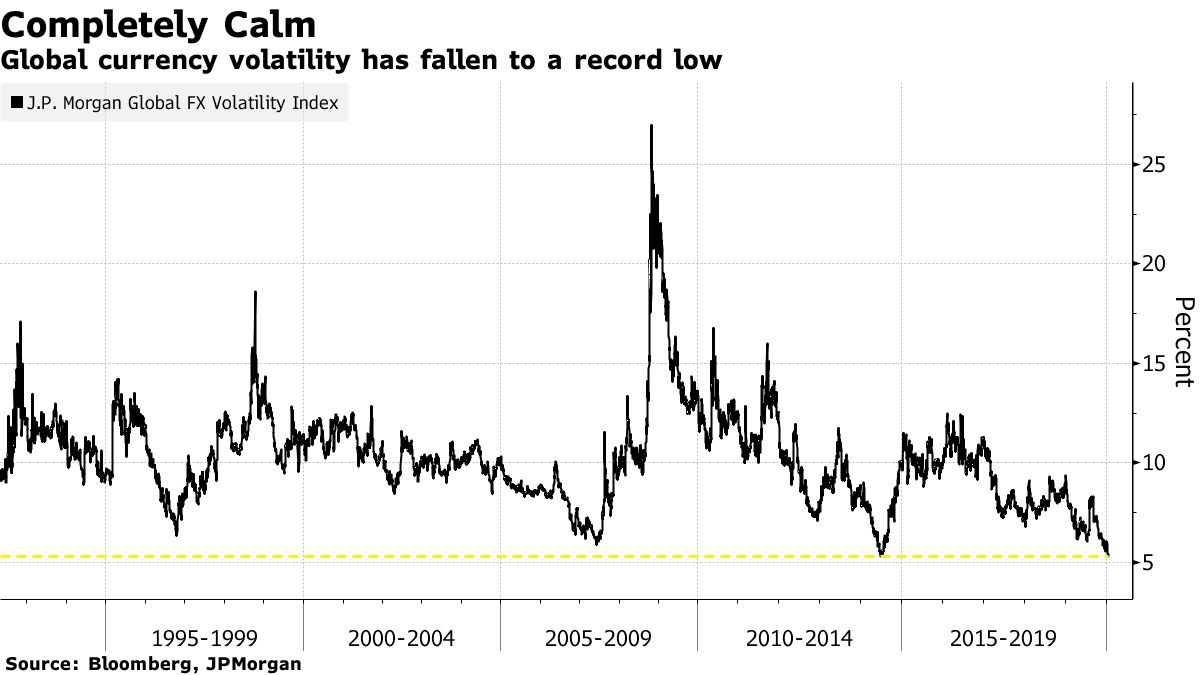
The dollar’s worst one-day rout since April is less about panic and more about sensitivity. In a tightly interconnected global system, shifts in data, expectations, or rhetoric can quickly ripple through markets.
Whether this move marks the beginning of a broader adjustment or proves to be a short-lived correction will depend on upcoming economic indicators and central bank signals. What is clear is that currency markets remain highly responsive—not just to numbers, but to words.


