
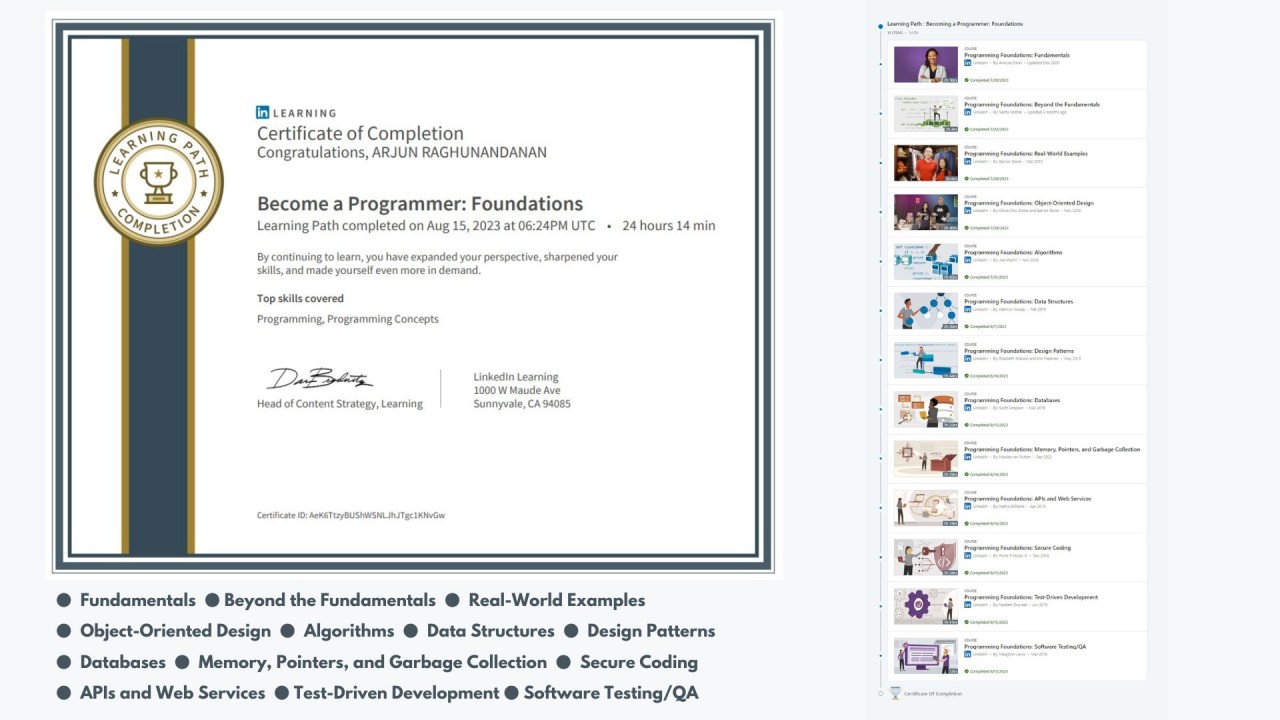
LinkedIn has introduced a new certificate that allows users to showcase “vibe coding” skills — a form of AI-assisted programming where developers guide large language models instead of writing code line by line. The move reflects how AI is reshaping software development and hiring signals.
From Résumés to Signals: Why LinkedIn Is Leaning Into AI Coding
LinkedIn is expanding how developers signal technical ability on its platform, this time by leaning directly into AI-native workflows. The company has launched a new certificate that lets users demonstrate proficiency in what it calls “vibe coding” — a growing practice where developers rely on AI tools to generate, refactor, and debug code through natural language prompts rather than manual syntax.
The certificate, first reported by TechCrunch, reflects a broader shift in how programming is done and how skills are evaluated. As AI tools become embedded in daily development work, LinkedIn is betting that traditional markers like degrees, job titles, and even language-specific expertise are no longer sufficient to describe how software is actually built.
What “Vibe Coding” Actually Means
Programming as Direction, Not Construction
“Vibe coding” is not about replacing engineering fundamentals, but about changing the interface between humans and code. Developers describe the desired outcome, constraints, and intent, while AI systems handle large portions of the implementation. The human role shifts toward architecture, validation, and iteration rather than keystroke-level execution.
LinkedIn’s new certificate focuses on this interaction layer: understanding how to prompt effectively, evaluate AI-generated code, correct errors, and integrate outputs into production environments. It positions AI literacy as a standalone skill, rather than a byproduct of knowing a specific programming language.

A Skill That’s Already in the Wild
While the term may sound informal, the practice is already widespread. Tools built on large language models are increasingly used across startups and enterprises alike, from rapid prototyping to internal tooling. LinkedIn’s move formalises something many developers are already doing informally — and gives recruiters a shorthand to identify it.
Hiring Signals Are Being Rewritten
Why LinkedIn Is Doing This Now
For LinkedIn, the certificate is part of a larger recalibration of how professional credibility is expressed. The platform has steadily expanded skills verification, assessments, and badges as employers shift toward skills-based hiring. AI-assisted coding accelerates that trend by blurring the line between junior and senior execution tasks.
By introducing a credential around “vibe coding,” LinkedIn is implicitly acknowledging that productivity with AI tools may soon matter as much as traditional experience. For employers, it offers a way to filter candidates who are comfortable working alongside AI systems rather than competing with them.

Not a Replacement for Core Engineering
LinkedIn has been careful to frame the certificate as complementary, not substitutive. The underlying assumption is that strong developers will increasingly be those who can combine foundational knowledge with AI fluency — knowing when to trust outputs, when to override them, and how to turn vague prompts into reliable systems.
What This Signals for the Tech Ecosystem
A Cultural Shift, Not Just a Feature
The introduction of a “vibe coding” certificate signals a cultural change in how the industry defines competence. Coding is no longer just about syntax mastery; it’s about orchestration, judgment, and collaboration with machines. Formal recognition from a platform as central as LinkedIn helps legitimise that shift.
Pressure on Education and Training
As platforms like LinkedIn validate AI-assisted workflows, pressure will increase on bootcamps, universities, and corporate training programmes to adapt. Teaching people how to code may increasingly mean teaching them how to work with AI — including its limitations, biases, and failure modes.
The Quiet Normalisation of AI-Native Careers
Perhaps most notably, LinkedIn’s move makes AI-native work feel ordinary. By embedding “vibe coding” into its credential system, the company is treating AI collaboration not as a futuristic edge case, but as a mainstream professional capability.
The Bottom Line
LinkedIn’s new “vibe coding” certificate is less about a buzzword and more about acknowledging reality. AI-assisted development is already reshaping how software is built, and now it’s reshaping how skills are signalled and evaluated. As hiring catches up with how work is actually done, credentials like this may become less of a novelty — and more of a baseline expectation for modern developers.


