
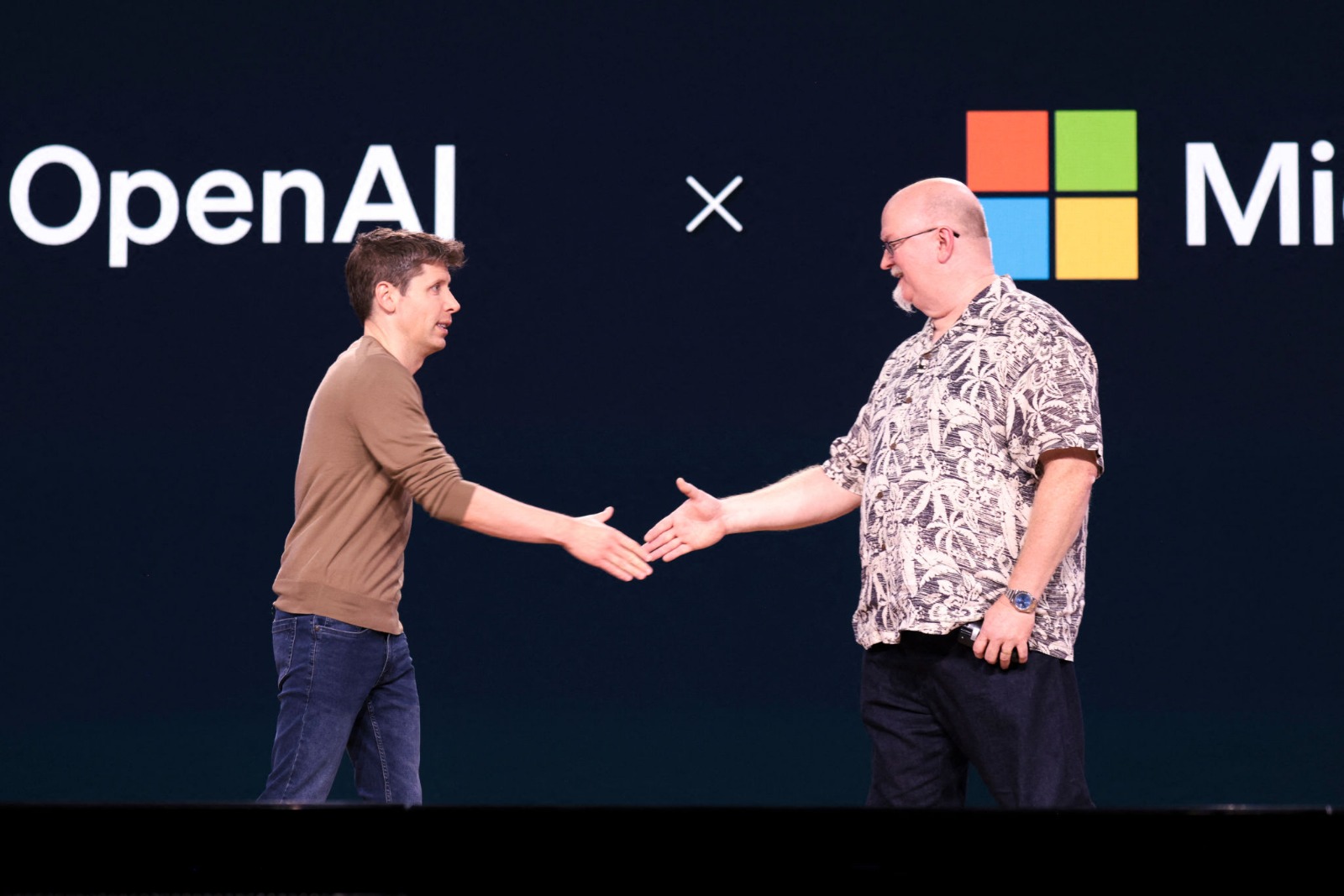
Microsoft said its latest quarterly results included a $7.6 billion earnings contribution linked to its OpenAI partnership. The figure highlights how deeply generative AI is now embedded in Microsoft’s financial performance, rather than treated as a long-term research bet.
Microsoft’s relationship with OpenAI has often been framed as strategic or visionary. This quarter, it showed up as something more concrete: a multibillion-dollar earnings contribution that materially shaped the company’s results.
In its earnings disclosure, Microsoft reported that $7.6 billion of earnings impact during the period was tied to its arrangement with OpenAI. The figure does not represent a simple revenue line item, but rather the accounting and operational effects of Microsoft’s deep integration of OpenAI models across products, infrastructure, and enterprise services.
The disclosure marks one of the clearest signals yet that generative AI is no longer a speculative expense line for Big Tech, but an earnings-relevant asset.
From strategic partnership to financial driver
Microsoft began backing OpenAI nearly a decade ago, but the relationship accelerated sharply after the commercial breakout of large language models. Over the past two years, Microsoft has embedded OpenAI technology into Azure cloud services, developer tools, and productivity software, while also acting as OpenAI’s primary cloud provider.
What makes the $7.6 billion figure notable is not just its size, but its timing. AI investments across the industry have drawn scrutiny from investors concerned about ballooning capital expenditures and unclear payback periods. By explicitly tying a multibillion-dollar earnings impact to OpenAI, Microsoft is signaling that returns are already materializing.
The company did not break out the number as direct OpenAI revenue. Instead, the contribution reflects a combination of factors, including revenue-sharing arrangements, cloud usage tied to OpenAI workloads, and accounting treatment related to Microsoft’s investment structure.
How the OpenAI tie-in feeds Microsoft’s core businesses
For Microsoft, OpenAI is less a standalone bet than a multiplier across its existing platforms.
Azure has been the most visible beneficiary. Demand for AI training and inference workloads has driven higher utilization of Microsoft’s cloud infrastructure, particularly among enterprises experimenting with or deploying generative AI at scale. OpenAI models, offered through Azure, effectively anchor customers more deeply into Microsoft’s cloud ecosystem.
Productivity software is another channel. AI-powered features in Microsoft’s office and collaboration tools are increasingly positioned as premium capabilities, strengthening pricing power and customer retention rather than operating as free add-ons.
Seen through that lens, the $7.6 billion contribution reflects how AI has been woven into Microsoft’s core revenue engines, rather than spun out as a separate business line that might take years to mature.
A signal to investors watching AI spending
Across the tech sector, AI spending has raised uncomfortable questions. Companies from cloud providers to chipmakers are pouring tens of billions of dollars into data centers, specialized hardware, and model development. Investors have largely accepted the spending so far, but patience is not unlimited.
Microsoft’s disclosure offers a counterpoint to fears that AI is a near-term drag on profitability. While capital expenditures remain elevated, the company is demonstrating that at least some AI investments are already accretive to earnings.
That distinction matters. It helps explain why Microsoft’s stock has been more resilient than peers that are still struggling to articulate clear monetization paths for AI.
Competitive implications for Big Tech
Microsoft’s ability to point to a quantifiable earnings impact also raises the bar for rivals.
Other major technology companies have announced AI initiatives, partnerships, and internal model development, but few have been as explicit about financial contribution. As earnings seasons continue, analysts are likely to press competitors to provide similar clarity.
The Microsoft–OpenAI structure is unusual: a close operational partnership paired with exclusive cloud infrastructure and shared economics. Replicating that model may prove difficult for rivals without comparable cloud scale or an equivalent AI partner.
What this says about the next phase of AI
The $7.6 billion figure does not mean AI economics are settled. Costs remain high, competition is intensifying, and regulatory scrutiny around data use and model deployment is growing. But it does suggest a shift in narrative.
For Microsoft, generative AI has moved from promise to performance. The OpenAI partnership is no longer justified solely by future potential; it is now defensible on present earnings.
Looking ahead, the broader tech industry will be watching whether this quarter represents an early peak or the start of a sustained pattern. If Microsoft continues to translate AI integration into measurable financial gains, it may reshape how Wall Street values AI investments across the sector—not as speculative moonshots, but as core business infrastructure.


