
Starlink’s D2D Ambitions Hit Regulatory Barrier in India

Share via:

Starlink must seek fresh approval from Indian space regulator IN-SPACe for direct-to-device (D2D) connectivity services as the current regulatory framework doesn’t yet permit the advanced technology.

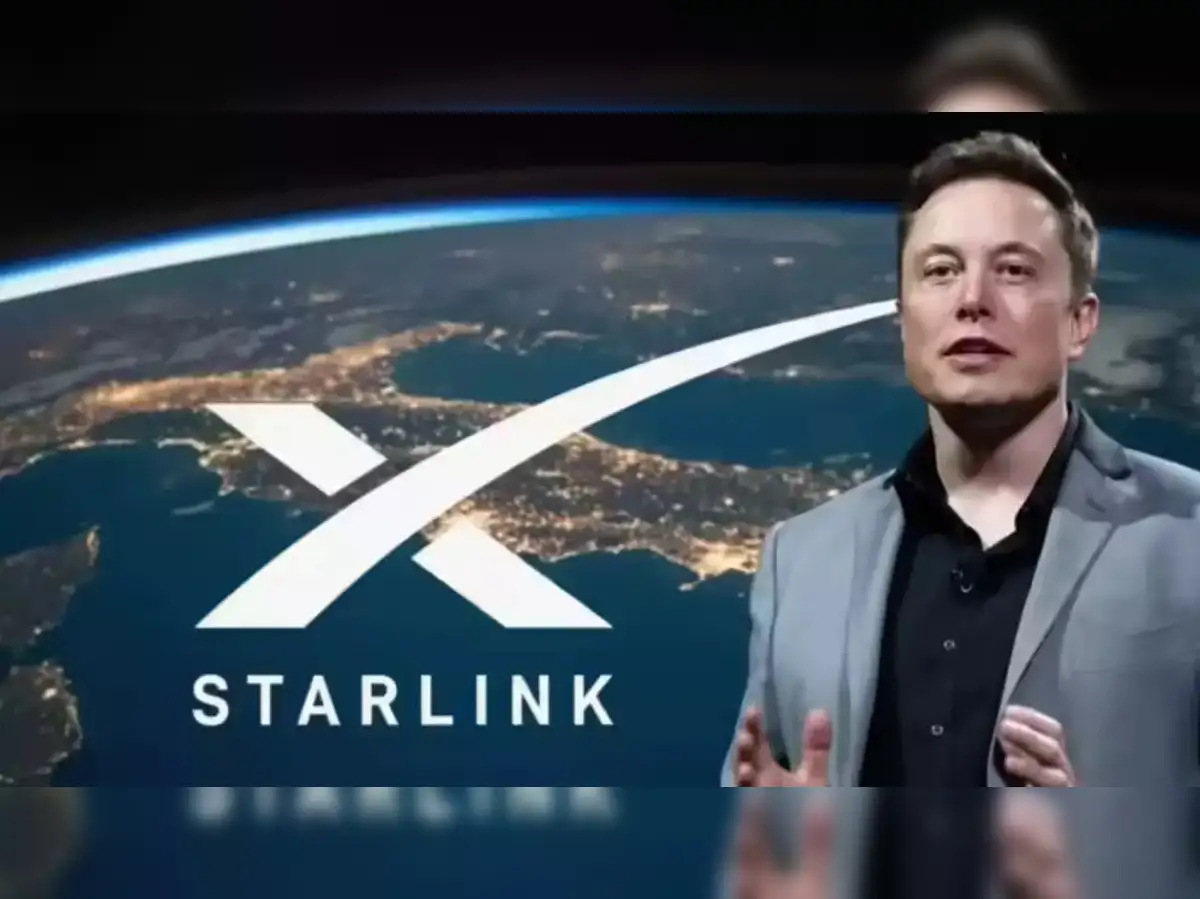
Elon Musk-backed Starlink, the SpaceX-owned satellite internet provider, has encountered a significant regulatory challenge in India. While the company has secured conditional clearance to offer traditional satellite broadband, its next-generation services — notably direct-to-device (D2D) connectivity enabling direct communication between satellites and mobile phones or IoT devices — remain in regulatory limbo.

Regulatory Roadblock: IN-SPACe Rejects Gen-2 Approval

Starlink had sought approval from the Indian National Space Promotion and Authorization Centre (IN-SPACe) for its Gen-2 satellite constellation, which includes capabilities for D2D connectivity. However, IN-SPACe has not granted this application, citing unmet technical requirements and the use of frequency bands that are not currently permitted under Indian regulations. Instead, the regulator limited approval to Starlink’s Gen-1 constellation, which supports traditional broadband services via thousands of low-Earth-orbit satellites.

The denied Gen-2 application means that Starlink cannot yet roll out its vision of space-based connectivity directly to standard mobile devices — a service that, if approved, could allow users to call, text, or access data even without terrestrial cellular networks.

Why India Is Proceeding Cautiously

A core reason behind the regulatory hesitation is the absence of a comprehensive policy framework for D2D services in India. Unlike conventional satellite broadband, D2D connectivity would function more akin to mobile network service, raising questions about spectrum allocation, security, and integration with existing terrestrial networks.

https://upload.wikimedia.org/wikipedia/commons/b/b1/IN-SPACe_Logo.png

Officials from Indian space and telecom authorities have noted that:

  • India currently does not have a defined regulatory structure for satellite-to-phone connectivity.
  • The Department of Telecommunications (DoT) is deliberating on suitable spectrum bands and policy architecture.
  • Telecom Regulatory Authority of India (TRAI) is likely to be consulted for pricing and operational norms before any approval is finalized.

This cautious stance contrasts with markets like the United States, where Starlink has already partnered with terrestrial carriers (e.g., T-Mobile) to bring limited D2D services to remote areas with sparse network coverage.

Competitive and Ecosystem Implications
https://img.etimg.com/thumb/width-1200%2Cheight-900%2Cimgsize-28906%2Cresizemode-75%2Cmsid-127570069/industry/telecom/telecom-policy/elon-musks-starlink-may-have-seek-fresh-in-space-nod-for-direct-to-device-services-in-india.jpg

Indian telecom operators have also weighed in on the debate. Many domestic carriers argue that space-based D2D services could disrupt existing business models and should therefore face similar regulatory and licensing obligations as terrestrial mobile operators. These competitive concerns add complexity to the regulatory decision-making process.

For Starlink, the regulatory hurdle in India comes at a time when the company is expanding its global satellite fleet. Recently, the U.S. Federal Communications Commission granted authorization for Starlink to deploy thousands of additional Gen-2 satellites capable of advanced broadband and D2D services, underscoring the company’s long-term strategy to broaden connectivity options worldwide.

The Path Ahead

Starlink must now decide whether to reapply for Indian clearance for its Gen-2 services once the regulatory landscape becomes clearer. Key factors it and Indian authorities will be watching include:

  • The finalization of a national policy framework for D2D connectivity.
  • Spectrum allocation decisions by the DoT and TRAI.
  • Potential harmonization with global standards to enable seamless operation across markets.

For India, the evolution of satellite-based mobile connectivity could unlock new coverage possibilities in remote and underserved regions, but it requires balancing innovation with spectrum management, security, and competitive fairness — a policy calculus that is still being shaped.


Disclaimer

We strive to uphold the highest ethical standards in all of our reporting and coverage. We StartupNews.fyi want to be transparent with our readers about any potential conflicts of interest that may arise in our work. It’s possible that some of the investors we feature may have connections to other businesses, including competitors or companies we write about. However, we want to assure our readers that this will not have any impact on the integrity or impartiality of our reporting. We are committed to delivering accurate, unbiased news and information to our audience, and we will continue to uphold our ethics and principles in all of our work. Thank you for your trust and support.

Sreejit
Sreejit Kumar is a media and communications professional with over two years of experience across digital publishing, social media marketing, and content management. With a background in journalism and advertising, he focuses on crafting and managing multi-platform news content that drives audience engagement and measurable growth.

Popular

More Like this

Starlink’s D2D Ambitions Hit Regulatory Barrier in India

Starlink must seek fresh approval from Indian space regulator IN-SPACe for direct-to-device (D2D) connectivity services as the current regulatory framework doesn’t yet permit the advanced technology.

Elon Musk-backed Starlink, the SpaceX-owned satellite internet provider, has encountered a significant regulatory challenge in India. While the company has secured conditional clearance to offer traditional satellite broadband, its next-generation services — notably direct-to-device (D2D) connectivity enabling direct communication between satellites and mobile phones or IoT devices — remain in regulatory limbo.

Regulatory Roadblock: IN-SPACe Rejects Gen-2 Approval

Starlink had sought approval from the Indian National Space Promotion and Authorization Centre (IN-SPACe) for its Gen-2 satellite constellation, which includes capabilities for D2D connectivity. However, IN-SPACe has not granted this application, citing unmet technical requirements and the use of frequency bands that are not currently permitted under Indian regulations. Instead, the regulator limited approval to Starlink’s Gen-1 constellation, which supports traditional broadband services via thousands of low-Earth-orbit satellites.

The denied Gen-2 application means that Starlink cannot yet roll out its vision of space-based connectivity directly to standard mobile devices — a service that, if approved, could allow users to call, text, or access data even without terrestrial cellular networks.

Why India Is Proceeding Cautiously

A core reason behind the regulatory hesitation is the absence of a comprehensive policy framework for D2D services in India. Unlike conventional satellite broadband, D2D connectivity would function more akin to mobile network service, raising questions about spectrum allocation, security, and integration with existing terrestrial networks.

https://upload.wikimedia.org/wikipedia/commons/b/b1/IN-SPACe_Logo.png

Officials from Indian space and telecom authorities have noted that:

  • India currently does not have a defined regulatory structure for satellite-to-phone connectivity.
  • The Department of Telecommunications (DoT) is deliberating on suitable spectrum bands and policy architecture.
  • Telecom Regulatory Authority of India (TRAI) is likely to be consulted for pricing and operational norms before any approval is finalized.

This cautious stance contrasts with markets like the United States, where Starlink has already partnered with terrestrial carriers (e.g., T-Mobile) to bring limited D2D services to remote areas with sparse network coverage.

Competitive and Ecosystem Implications

https://img.etimg.com/thumb/width-1200%2Cheight-900%2Cimgsize-28906%2Cresizemode-75%2Cmsid-127570069/industry/telecom/telecom-policy/elon-musks-starlink-may-have-seek-fresh-in-space-nod-for-direct-to-device-services-in-india.jpg

Indian telecom operators have also weighed in on the debate. Many domestic carriers argue that space-based D2D services could disrupt existing business models and should therefore face similar regulatory and licensing obligations as terrestrial mobile operators. These competitive concerns add complexity to the regulatory decision-making process.

For Starlink, the regulatory hurdle in India comes at a time when the company is expanding its global satellite fleet. Recently, the U.S. Federal Communications Commission granted authorization for Starlink to deploy thousands of additional Gen-2 satellites capable of advanced broadband and D2D services, underscoring the company’s long-term strategy to broaden connectivity options worldwide.

The Path Ahead

Starlink must now decide whether to reapply for Indian clearance for its Gen-2 services once the regulatory landscape becomes clearer. Key factors it and Indian authorities will be watching include:

  • The finalization of a national policy framework for D2D connectivity.
  • Spectrum allocation decisions by the DoT and TRAI.
  • Potential harmonization with global standards to enable seamless operation across markets.

For India, the evolution of satellite-based mobile connectivity could unlock new coverage possibilities in remote and underserved regions, but it requires balancing innovation with spectrum management, security, and competitive fairness — a policy calculus that is still being shaped.

Disclaimer

We strive to uphold the highest ethical standards in all of our reporting and coverage. We StartupNews.fyi want to be transparent with our readers about any potential conflicts of interest that may arise in our work. It’s possible that some of the investors we feature may have connections to other businesses, including competitors or companies we write about. However, we want to assure our readers that this will not have any impact on the integrity or impartiality of our reporting. We are committed to delivering accurate, unbiased news and information to our audience, and we will continue to uphold our ethics and principles in all of our work. Thank you for your trust and support.

Website Upgradation is going on for any glitch kindly connect at office@startupnews.fyi

Sreejit
Sreejit Kumar is a media and communications professional with over two years of experience across digital publishing, social media marketing, and content management. With a background in journalism and advertising, he focuses on crafting and managing multi-platform news content that drives audience engagement and measurable growth.

More like this

The SEO Cost Of Slow WordPress Site & How...

This post was sponsored by WP Media. The...

Deep-tech startup OneARVO raises pre-seed round led by IPV

Deep-tech startup OneARVO has raised Rs 1.23 crore...

C3.ai in Merger Talks With Automation Anywhere

Enterprise AI provider C3.ai is reportedly negotiating a merger...

Popular

best iptv best iptv best iptv best iptv best iptv best iptv best iptv best iptv best iptv best iptv best iptv best iptv best iptv best iptv best iptv best iptv best iptv best iptv best iptv best iptv best iptv best iptv best iptv best iptv best iptv best iptv best iptv best iptv best iptv best iptv best iptv best iptv best iptv best iptv best iptv best iptv best iptv best iptv best iptv best iptv best iptv best iptv best iptv best iptv best iptv best iptv best iptv best iptv best iptv best iptv best iptv best iptv best iptv best iptv best iptv best iptv best iptv best iptv best iptv best iptv best iptv best iptv best iptv best iptv best iptv best iptv best iptv best iptv best iptv best iptv best iptv best iptv best iptv best iptv best iptv best iptv best iptv best iptv best iptv best iptv best iptv best iptv best iptv best iptv best iptv best iptv best iptv best iptv best iptv best iptv best iptv best iptv best iptv best iptv best iptv best iptv best iptv best iptv best iptv best iptv best iptv best iptv best iptv best iptv best iptv best iptv best iptv best iptv best iptv best iptv best iptv best iptv best iptv best iptv best iptv best iptv best iptv best iptv best iptv best iptv best iptv best iptv best iptv best iptv best iptv best iptv best iptv best iptv best iptv best iptv best iptv best iptv best iptv best iptv best iptv best iptv best iptv best iptv best iptv best iptv best iptv best iptv best iptv best iptv best iptv best iptv best iptv best iptv best iptv best iptv best iptv best iptv best iptv best iptv best iptv best iptv best iptv best iptv best iptv best iptv best iptv best iptv best iptv best iptv best iptv best iptv best iptv best iptv best iptv best iptv best iptv best iptv best iptv best iptv best iptv best iptv best iptv best iptv best iptv best iptv best iptv best iptv best iptv best iptv best iptv best iptv best iptv best iptv best iptv best iptv best iptv best iptv best iptv best iptv best iptv best iptv best iptv best iptv best iptv iptv iptv iptv iptv iptv iptv iptv iptv iptv iptv iptv iptv iptv portugal iptv portugal iptv portugal iptv portugal iptv portugal iptv portugal iptv portugal iptv portugal iptv portugal iptv portugal iptv portugal iptv portugal iptv iptv iptv iptv iptv iptv iptv iptv iptv iptv iptv iptv