UAE Central Bank Approves USD-Backed Stablecoin

Share via:

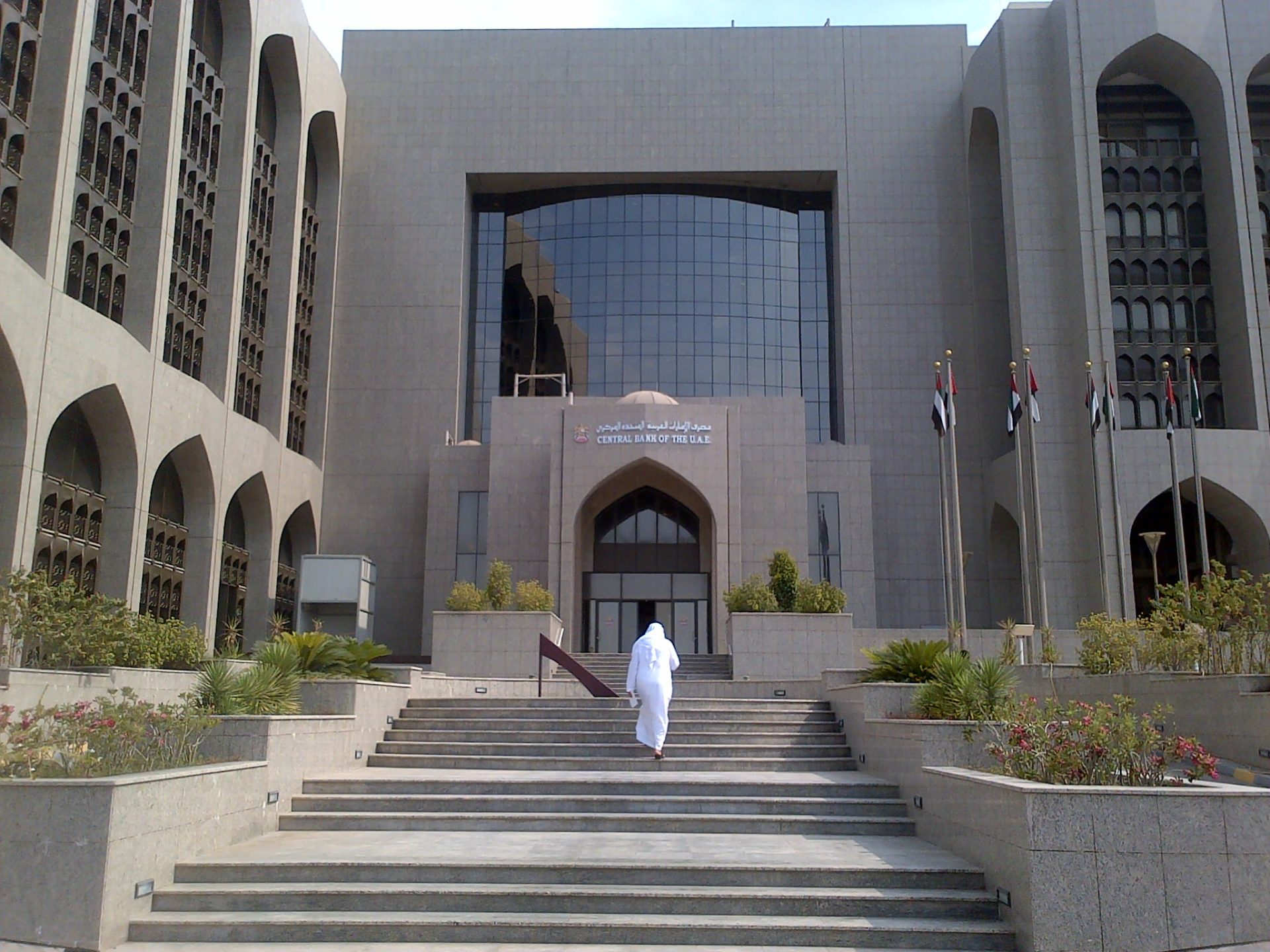
The Central Bank of the United Arab Emirates (CBUAE) has approved the country’s first USD-backed stablecoin, USDU, marking a landmark step in regulated digital asset adoption. The move under the CBUAE’s Payment Token Services Regulation formalizes a framework for bank-backed stablecoins and positions the UAE as a fintech hub in the Middle East.

What Happened

The Central Bank of the UAE has approved issuance of USDU, a U.S. dollar-pegged stablecoin, under its Payment Token Services Regulation — the nation’s first USD-backed stablecoin authorised by the regulator.

The stablecoin will be issued by Universal Digital, a crypto firm regulated by the Financial Services Regulatory Authority (FSRA) of Abu Dhabi’s financial free zone, ADGM.

Under the regulatory framework, stablecoin issuers must meet robust requirements for custody, reserve management, and compliance — effectively aligning stablecoin issuance with licensed financial activity.

Why It Matters Now

This approval arrives at a moment when global regulators are increasingly clarifying how stablecoins should operate within regulated finance ecosystems:

  • It gives institutional players a regulated digital dollar with clear oversight, boosting confidence in blockchain-powered settlements.
  • It serves as a proof point for other jurisdictions considering similar regulatory models as stablecoin adoption grows internationally.
  • The move complements the UAE’s ongoing digital finance strategy, which includes plans for a central bank digital currency (Digital Dirham) and previously approved dirham-pegged stablecoins.UAE Central Bank Approves USD-Backed Stablecoin

By distinguishing regulated stablecoins from unregulated tokens, the CBUAE aims to strike a balance between innovation and financial stability — a major trend in global crypto policy in 2025 and 2026.

How Stablecoins Fit Into UAE’s Digital Finance Puzzle

Stablecoins are digital assets that aim to maintain a stable value by pegging to fiat (e.g., USD, AED) or other assets, and they are increasingly used in payments and cross-border settlement.

In recent years, the UAE has moved beyond experimental regulation and towards formal frameworks:

  • AED-backed stablecoins: Earlier approvals such as Zand AED and RAKBank’s AED stablecoin set precedents for regulated digital assets tied to the UAE dirham.
  • CBDC development: The UAE’s central bank is also progressing its own Digital Dirham, a retail and wholesale central bank digital currency aimed at modernizing payments infrastructure.

The distinction between stablecoins and central bank digital currencies (CBDCs) is meaningful: CBDCs are issued and backed directly by a sovereign central bank and are legal tender, while stablecoins are typically private-sector digital assets backed by reserves or other stabilization mechanisms.
What’s Next for Markets and Regulation

For financial institutions:
The approval of USD-backed stablecoins opens regulated digital dollar rails for banks, payment providers, and corporates seeking efficient cross-border transfers and settlement options.

For regulators:
The UAE’s model could serve as a template for stablecoin regimes globally — blending risk controls with innovation incentives.

For crypto markets:
Stablecoins remain central to decentralized finance, trading liquidity, and tokenized payments — and regulatory clarity tends to attract institutional capital and partnerships.

Regional and Global Context

The UAE’s approach mirrors broader global shifts:

  • Many jurisdictions are actively crafting stablecoin regulation to ensure transparency and consumer protection.
  • Gulf states are positioning themselves as crypto-friendly hubs as part of broader economic diversification strategies.
  • Meanwhile, regions such as Europe are pushing for comprehensive frameworks (e.g., MiCA), and Asia and the U.S. continue intense policy dialogues on stablecoin oversight.

Bottom Line

The UAE’s approval of a regulated USD-backed stablecoin represents a significant pivot from experimental to structured digital asset markets. By integrating stablecoins into its financial infrastructure with clear regulatory guardrails, the UAE is accelerating its ambitions as a digital finance leader — with implications for payments, cross-border trade, and global crypto regulation.


Disclaimer

We strive to uphold the highest ethical standards in all of our reporting and coverage. We StartupNews.fyi want to be transparent with our readers about any potential conflicts of interest that may arise in our work. It’s possible that some of the investors we feature may have connections to other businesses, including competitors or companies we write about. However, we want to assure our readers that this will not have any impact on the integrity or impartiality of our reporting. We are committed to delivering accurate, unbiased news and information to our audience, and we will continue to uphold our ethics and principles in all of our work. Thank you for your trust and support.

Sreejit
Sreejit Kumar is a media and communications professional with over two years of experience across digital publishing, social media marketing, and content management. With a background in journalism and advertising, he focuses on crafting and managing multi-platform news content that drives audience engagement and measurable growth.

Popular

More Like this

UAE Central Bank Approves USD-Backed Stablecoin

The Central Bank of the United Arab Emirates (CBUAE) has approved the country’s first USD-backed stablecoin, USDU, marking a landmark step in regulated digital asset adoption. The move under the CBUAE’s Payment Token Services Regulation formalizes a framework for bank-backed stablecoins and positions the UAE as a fintech hub in the Middle East.

What Happened

The Central Bank of the UAE has approved issuance of USDU, a U.S. dollar-pegged stablecoin, under its Payment Token Services Regulation — the nation’s first USD-backed stablecoin authorised by the regulator.

The stablecoin will be issued by Universal Digital, a crypto firm regulated by the Financial Services Regulatory Authority (FSRA) of Abu Dhabi’s financial free zone, ADGM.

Under the regulatory framework, stablecoin issuers must meet robust requirements for custody, reserve management, and compliance — effectively aligning stablecoin issuance with licensed financial activity.

Why It Matters Now

This approval arrives at a moment when global regulators are increasingly clarifying how stablecoins should operate within regulated finance ecosystems:

  • It gives institutional players a regulated digital dollar with clear oversight, boosting confidence in blockchain-powered settlements.
  • It serves as a proof point for other jurisdictions considering similar regulatory models as stablecoin adoption grows internationally.
  • The move complements the UAE’s ongoing digital finance strategy, which includes plans for a central bank digital currency (Digital Dirham) and previously approved dirham-pegged stablecoins.UAE Central Bank Approves USD-Backed Stablecoin

By distinguishing regulated stablecoins from unregulated tokens, the CBUAE aims to strike a balance between innovation and financial stability — a major trend in global crypto policy in 2025 and 2026.

How Stablecoins Fit Into UAE’s Digital Finance Puzzle

Stablecoins are digital assets that aim to maintain a stable value by pegging to fiat (e.g., USD, AED) or other assets, and they are increasingly used in payments and cross-border settlement.

In recent years, the UAE has moved beyond experimental regulation and towards formal frameworks:

  • AED-backed stablecoins: Earlier approvals such as Zand AED and RAKBank’s AED stablecoin set precedents for regulated digital assets tied to the UAE dirham.
  • CBDC development: The UAE’s central bank is also progressing its own Digital Dirham, a retail and wholesale central bank digital currency aimed at modernizing payments infrastructure.

The distinction between stablecoins and central bank digital currencies (CBDCs) is meaningful: CBDCs are issued and backed directly by a sovereign central bank and are legal tender, while stablecoins are typically private-sector digital assets backed by reserves or other stabilization mechanisms.

What’s Next for Markets and Regulation

For financial institutions:
The approval of USD-backed stablecoins opens regulated digital dollar rails for banks, payment providers, and corporates seeking efficient cross-border transfers and settlement options.

For regulators:
The UAE’s model could serve as a template for stablecoin regimes globally — blending risk controls with innovation incentives.

For crypto markets:
Stablecoins remain central to decentralized finance, trading liquidity, and tokenized payments — and regulatory clarity tends to attract institutional capital and partnerships.

Regional and Global Context

The UAE’s approach mirrors broader global shifts:

  • Many jurisdictions are actively crafting stablecoin regulation to ensure transparency and consumer protection.
  • Gulf states are positioning themselves as crypto-friendly hubs as part of broader economic diversification strategies.
  • Meanwhile, regions such as Europe are pushing for comprehensive frameworks (e.g., MiCA), and Asia and the U.S. continue intense policy dialogues on stablecoin oversight.

Bottom Line

The UAE’s approval of a regulated USD-backed stablecoin represents a significant pivot from experimental to structured digital asset markets. By integrating stablecoins into its financial infrastructure with clear regulatory guardrails, the UAE is accelerating its ambitions as a digital finance leader — with implications for payments, cross-border trade, and global crypto regulation.

Disclaimer

We strive to uphold the highest ethical standards in all of our reporting and coverage. We StartupNews.fyi want to be transparent with our readers about any potential conflicts of interest that may arise in our work. It’s possible that some of the investors we feature may have connections to other businesses, including competitors or companies we write about. However, we want to assure our readers that this will not have any impact on the integrity or impartiality of our reporting. We are committed to delivering accurate, unbiased news and information to our audience, and we will continue to uphold our ethics and principles in all of our work. Thank you for your trust and support.

Website Upgradation is going on for any glitch kindly connect at office@startupnews.fyi

Sreejit
Sreejit Kumar is a media and communications professional with over two years of experience across digital publishing, social media marketing, and content management. With a background in journalism and advertising, he focuses on crafting and managing multi-platform news content that drives audience engagement and measurable growth.

More like this

Africa & Middle East Reinforces US$1.5 Trillion AI Ambitions...

Africa and the Middle East’s accelerating push into artificial...

UAE central bank approves USD-backed stablecoin

USDU stablecoin reserves are held 1:1 in onshore...

Sterling Hospitals CFO Highlights Key Healthcare Priorities Ahead of...

Ahmedabad (Gujarat) , January 29: Ahead of the...

Popular

best iptv best iptv best iptv best iptv best iptv best iptv best iptv best iptv best iptv best iptv best iptv best iptv best iptv best iptv best iptv best iptv best iptv best iptv best iptv best iptv best iptv best iptv best iptv best iptv best iptv best iptv best iptv best iptv best iptv best iptv best iptv best iptv best iptv best iptv best iptv best iptv best iptv best iptv best iptv best iptv best iptv best iptv best iptv best iptv best iptv best iptv best iptv best iptv best iptv best iptv best iptv best iptv best iptv best iptv best iptv best iptv best iptv best iptv best iptv best iptv best iptv best iptv best iptv best iptv best iptv best iptv best iptv best iptv best iptv best iptv best iptv best iptv best iptv best iptv best iptv best iptv best iptv best iptv best iptv best iptv best iptv best iptv best iptv best iptv best iptv best iptv best iptv best iptv best iptv best iptv best iptv best iptv best iptv best iptv best iptv best iptv best iptv best iptv best iptv best iptv best iptv best iptv best iptv best iptv best iptv best iptv best iptv best iptv best iptv best iptv best iptv best iptv best iptv best iptv best iptv best iptv best iptv best iptv best iptv best iptv best iptv best iptv best iptv best iptv best iptv best iptv best iptv best iptv best iptv best iptv best iptv best iptv best iptv best iptv best iptv best iptv best iptv best iptv best iptv best iptv best iptv best iptv best iptv best iptv best iptv best iptv best iptv best iptv best iptv best iptv best iptv best iptv best iptv best iptv best iptv best iptv best iptv best iptv best iptv best iptv best iptv best iptv best iptv best iptv best iptv best iptv best iptv best iptv best iptv best iptv best iptv best iptv best iptv best iptv best iptv best iptv best iptv best iptv best iptv best iptv best iptv best iptv best iptv best iptv best iptv best iptv best iptv best iptv best iptv best iptv best iptv best iptv best iptv best iptv best iptv best iptv best iptv best iptv best iptv iptv iptv iptv iptv iptv iptv iptv iptv iptv iptv iptv iptv iptv portugal iptv portugal iptv portugal iptv portugal iptv portugal iptv portugal iptv portugal iptv portugal iptv portugal iptv portugal iptv portugal iptv portugal iptv iptv iptv iptv iptv iptv iptv iptv iptv iptv iptv iptv