

U.S. Government Signals Tough Enforcement on Technology Theft
A U.S. federal jury in San Francisco on Thursday convicted former Google software engineer Linwei Ding, a 38-year-old Chinese national, on seven counts of economic espionage and seven counts of theft of trade secrets for unlawfully transferring proprietary artificial intelligence technology from Google to benefit two Chinese companies he was secretly working with, according to the U.S. Department of Justice and Reuters reporting on the case.
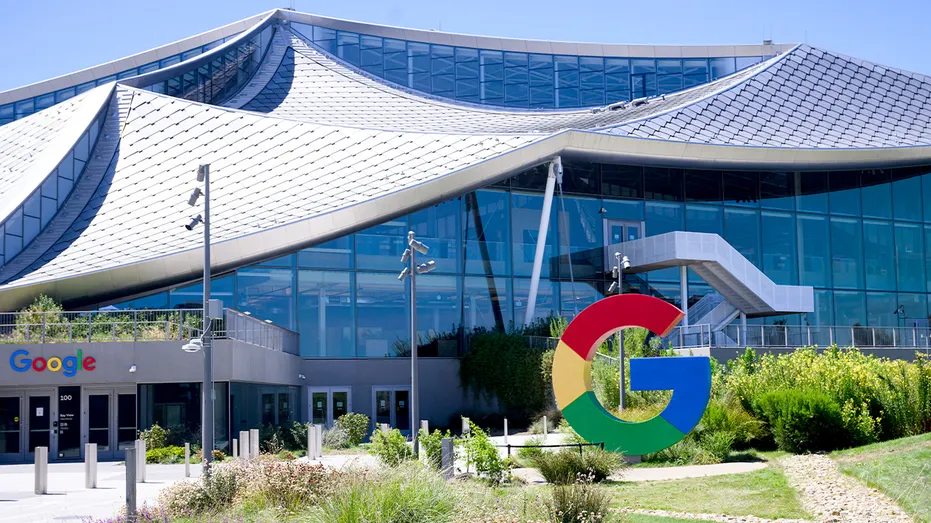
Google (Alphabet)
Ding, who was employed by Google (Alphabet) starting in 2019 and worked on systems linked to the company’s supercomputing infrastructure for AI model training, was found guilty after an 11-day trial. Prosecutors showed the jury that he stole thousands of pages of confidential material on hardware and software systems that underpin Google’s AI data centres — information that helps train large artificial intelligence models.
Under U.S. law, each economic espionage charge carries up to 15 years in prison and a $5 million fine, while each trade secrets count carries up to 10 years and a $250,000 fine. Ding is scheduled to appear for a status conference in early February as the court prepares for sentencing.
The conviction was secured through the work of the Disruptive Technology Strike Force, an interagency initiative created by the Biden administration to counter illicit transfers of sensitive U.S. technology. Prosecutors said Ding began copying and transferring internal Google documents in 2022, often disguising his actions to evade detection by internal security systems while he was being courted by Chinese tech firms.
Defense attorneys argued that Ding did not intend to benefit China and that some of the material did not qualify as protected trade secrets, but the jury unanimously rejected those arguments, convicting him on all counts. Google cooperated with law enforcement but was not charged in the case.
U.S. authorities framed the verdict as a clear message on safeguarding innovation. “We will vigorously protect American intellectual capital from foreign interests that seek to gain an unfair competitive advantage while putting our national security at risk,” said prosecutors following the verdict.
The case comes amid heightened concerns over industrial espionage and the protection of critical AI technologies — an area of strategic competition between the United States and global rivals. Intelligence and tech officials have increasingly scrutinised how sensitive machine learning and computing innovations are protected against theft and misuse.
Former Google software engineer Linwei Ding was convicted for stealing AI trade secrets from his employer and sharing them with Chinese companies, underscoring the U.S. government’s push to defend proprietary technology in strategic sectors.


