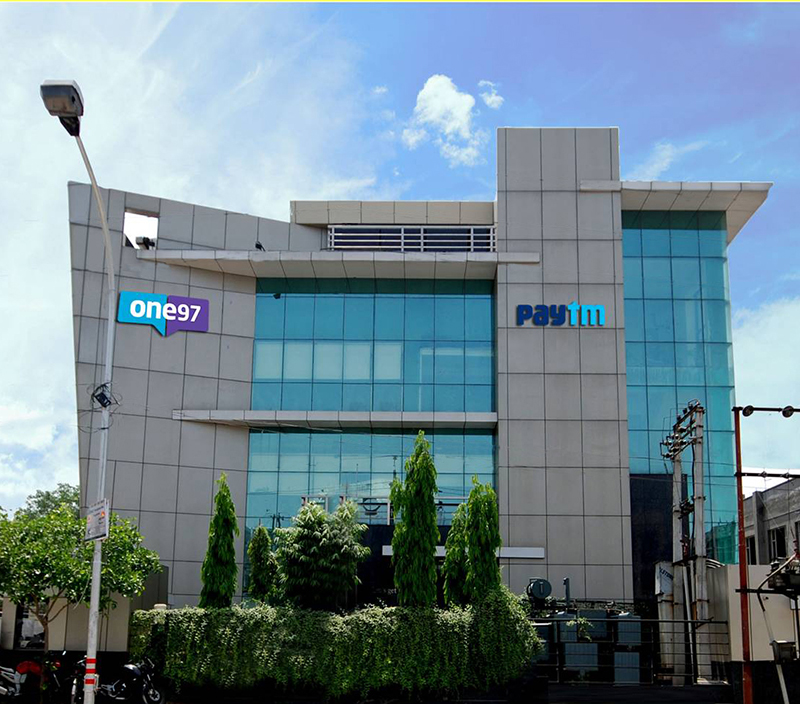
Paytm shares fell around 5% in early trade despite reporting a strong operational performance in Q3 FY26. The decline reflects persistent investor caution around fintech valuations, regulatory overhangs, and the gap between improving fundamentals and market confidence.
A Market Reaction That Defied the Numbers
Shares of Paytm, operated by One97 Communications, dropped close to 5% on January 29, even after the company reported what management described as a strong third-quarter performance. The move underscores a recurring theme for Paytm: improving business metrics have yet to translate into sustained stock market optimism.
The sell-off came despite sequential improvements across revenue, contribution margins, and operating efficiency, suggesting that investor sentiment remains shaped by factors beyond quarterly execution.
Strong Q3 Performance, On Paper
In Q3 FY26, Paytm continued to show traction in its core businesses, including payments, merchant services, and financial distribution. The company reported higher revenue, improved EBITDA margins, and progress toward sustained profitability, building on momentum from previous quarters.
Management highlighted growth in merchant subscriptions, expanding loan disbursements through partners, and better cost discipline. These metrics reinforced Paytm’s narrative that it has moved past its earlier “growth-at-any-cost” phase and is now focused on monetisation and operational leverage.
Yet the market response suggests that investors are not ready to re-rate the stock purely on quarterly improvements.
Why the Market Remains Unconvinced
One reason for the decline is valuation sensitivity. After a volatile post-IPO journey, Paytm’s stock remains closely scrutinised for consistency rather than one-off improvements. Investors appear to be looking for multiple quarters of predictable performance before assigning a higher premium.
Regulatory uncertainty also continues to weigh on sentiment. India’s fintech sector operates under close oversight from the Reserve Bank of India, and while Paytm has worked to address compliance issues tied to its payments bank arm, the episode has left a lasting mark on investor psychology. Even as newer business lines perform well, regulatory risk remains a persistent overhang.

Fintech Fatigue and Broader Market Context
Paytm’s stock movement also reflects a broader recalibration underway in fintech investing. Across global markets, investors are prioritising profitability, cash flow visibility, and regulatory clarity over user growth or transaction volumes alone.
In India, where fintech once commanded premium valuations, the bar has risen sharply. Public market investors are less forgiving than private capital when it comes to execution gaps or policy risk. As a result, even positive earnings can be met with selling pressure if expectations were already priced in.
Execution Is Improving, Trust Takes Longer
There is little dispute that Paytm’s operational discipline has improved. Contribution margins have expanded, losses have narrowed, and the company has reduced cash burn significantly compared to earlier years. The challenge lies in rebuilding trust with public market investors who were burned during the stock’s earlier volatility.
For many institutional investors, the question is no longer whether Paytm can improve quarter-on-quarter, but whether it can deliver sustained, regulation-resilient profitability across cycles.
What to Watch Going Forward
Going ahead, markets are likely to focus on three key signals. First, consistency: consecutive quarters of margin expansion and stable growth could gradually shift sentiment. Second, regulatory clarity: a prolonged period without adverse actions would help reduce perceived risk. Third, capital allocation: how Paytm deploys cash—whether toward growth, partnerships, or balance sheet strengthening—will be closely watched.
Until those signals align, share price volatility may continue even when headline results look strong.
A Familiar Pattern in Public Tech Markets
Paytm’s Q3 reaction is a reminder of how public markets evaluate mature tech companies differently from private investors. Strong performance is necessary, but not sufficient. Confidence is rebuilt slowly, especially in sectors shaped by regulation and past missteps.
For Paytm, the fundamentals appear to be moving in the right direction. The market, however, is still waiting to be convinced that the turnaround is not just real—but durable.