
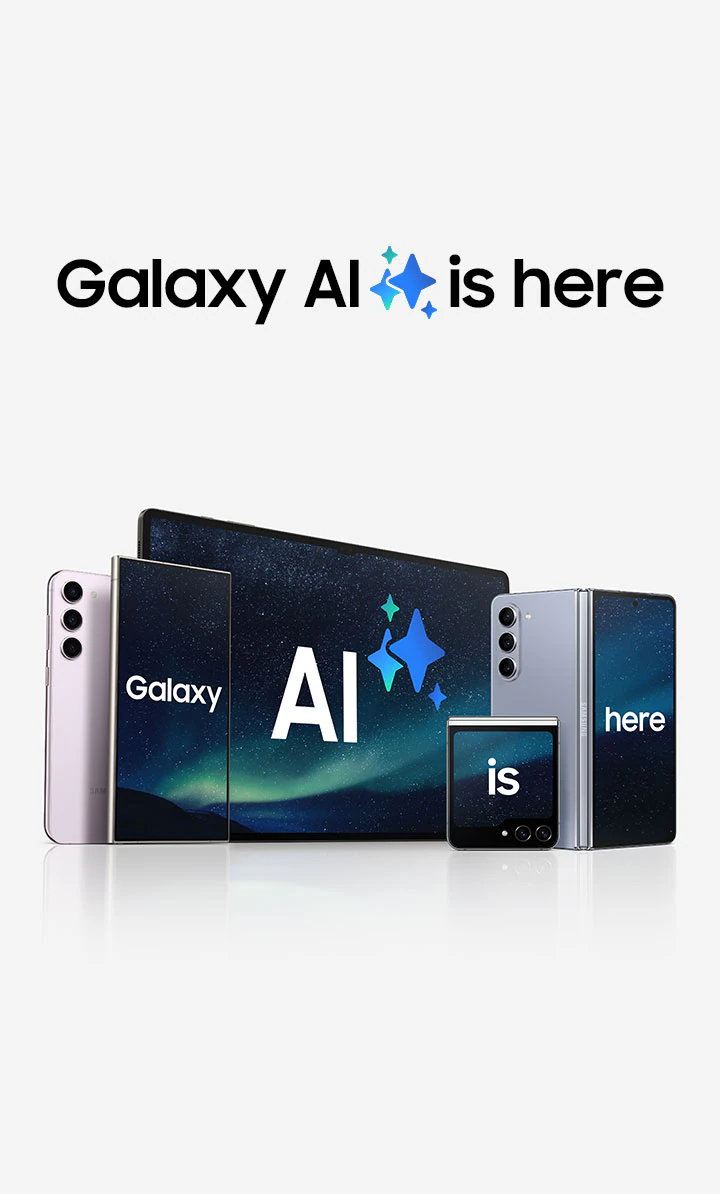
Samsung plans to sell 400 million AI-powered devices globally in 2026, expanding generative AI capabilities across smartphones, wearables, TVs, and home appliances as it accelerates its shift toward AI-first consumer electronics.
Samsung is moving decisively to make artificial intelligence a default layer across its consumer electronics portfolio. The South Korean technology giant is targeting sales of 400 million AI-powered devices in 2026, a sharp increase that underscores how central AI has become to its long-term hardware strategy, according to reporting by Tech in Asia.
The target reflects Samsung’s ambition to embed generative and on-device AI capabilities far beyond premium smartphones, extending them into wearables, televisions, and household appliances at global scale. Rather than positioning AI as a standalone product category, Samsung is framing it as a horizontal capability that upgrades everyday devices.
From Smartphones to the Entire Home
At the centre of the strategy is Samsung’s Galaxy AI push, first introduced in its flagship smartphones and now being rolled out across a wider product ecosystem. Samsung executives have indicated that AI features such as real-time translation, photo and video enhancement, predictive device optimisation, and contextual assistants will increasingly run directly on devices, reducing reliance on cloud-only processing.
The company expects smartphones to remain the largest contributor to AI-powered unit volumes, but growth is also coming from smart TVs, wearables, and connected home appliances. Refrigerators, washing machines, and air conditioners are being positioned as intelligent systems that learn user behaviour, optimise energy use, and proactively surface recommendations.
AI as a Competitive Moat in Hardware
Samsung’s 400 million unit target highlights how AI has become a competitive differentiator in a hardware market facing saturation. With global smartphone growth slowing, manufacturers are using AI features to justify upgrade cycles and differentiate across price tiers. By integrating AI deeply into its product stack, Samsung is aiming to defend market share while creating lock-in across its ecosystem.
Unlike software-first AI companies, Samsung’s advantage lies in its control over hardware, chips, and manufacturing scale. This allows it to optimise AI performance at the device level, particularly as on-device processing becomes critical for privacy, latency, and cost control.

Manufacturing Scale Meets AI Ambitions
Samsung’s vertical integration, spanning semiconductors, displays, and finished devices, plays a key role in its AI roadmap. Custom AI chips and optimised memory are expected to support more complex workloads locally, enabling features that were previously cloud-dependent.
The company has also signalled that AI will be a core pillar across its consumer and enterprise divisions, reinforcing its broader positioning as an end-to-end technology provider rather than a device assembler. This approach mirrors a wider industry trend in which AI capabilities are increasingly embedded at the hardware level rather than layered on through apps.
What It Means for the Consumer AI Market
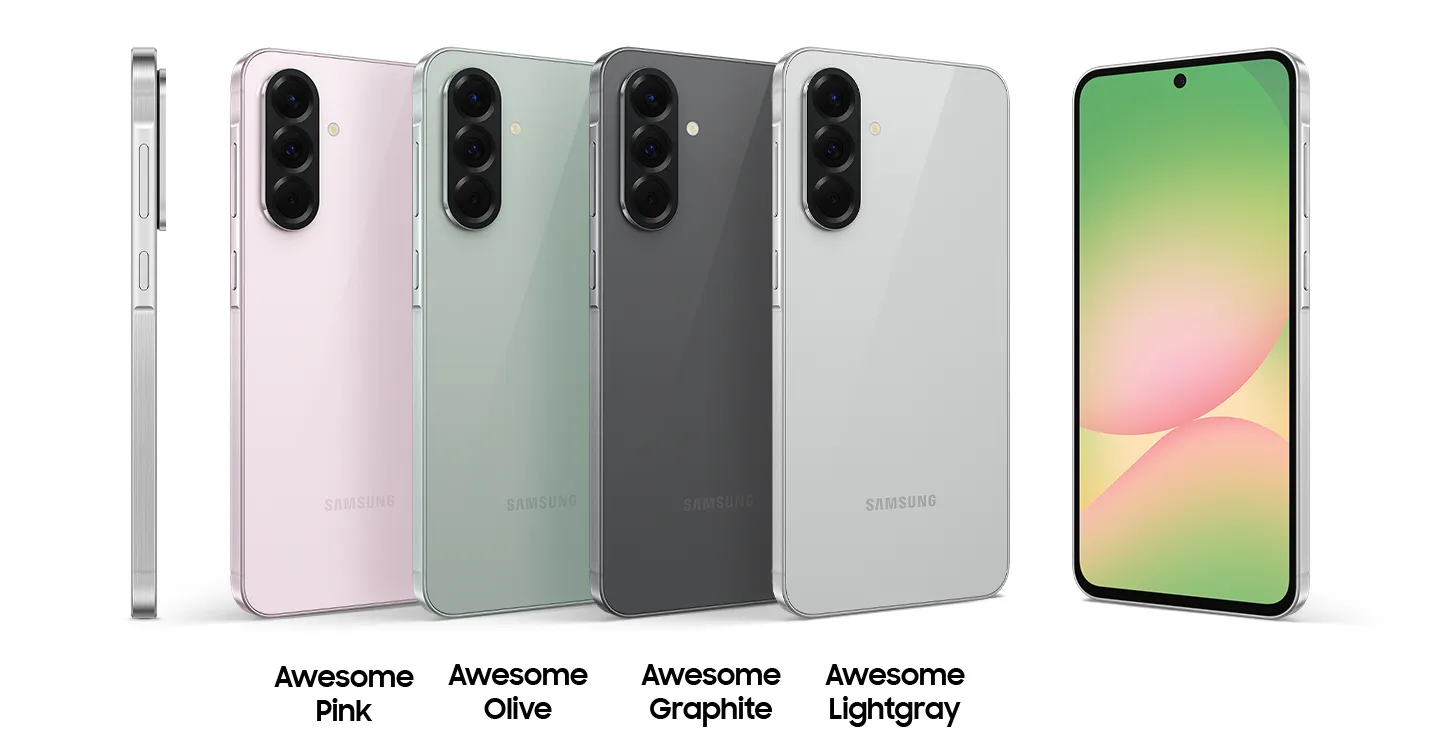
If achieved, Samsung’s 400 million AI-device target would make it one of the largest distributors of AI-enabled consumer hardware globally. The move raises the competitive bar for rivals across Android, consumer electronics, and smart home markets, particularly in emerging economies where Samsung already commands strong distribution.
For consumers, the shift suggests that AI features will become standard rather than premium add-ons, integrated into everyday devices with minimal user friction. For developers and partners, it creates a larger installed base for AI-driven services that sit on top of Samsung’s ecosystem.
Looking ahead, Samsung’s strategy signals a clear direction for consumer technology: AI is no longer a feature to be tested, but an operating assumption. The race now is not whether devices will be AI-powered, but how seamlessly that intelligence is woven into daily life.


