Sonos has introduced a new amplifier intended to be hidden from view, emphasizing custom installations and whole-home audio. Its success, however, hinges on restoring trust in the Sonos app after recent stability issue.
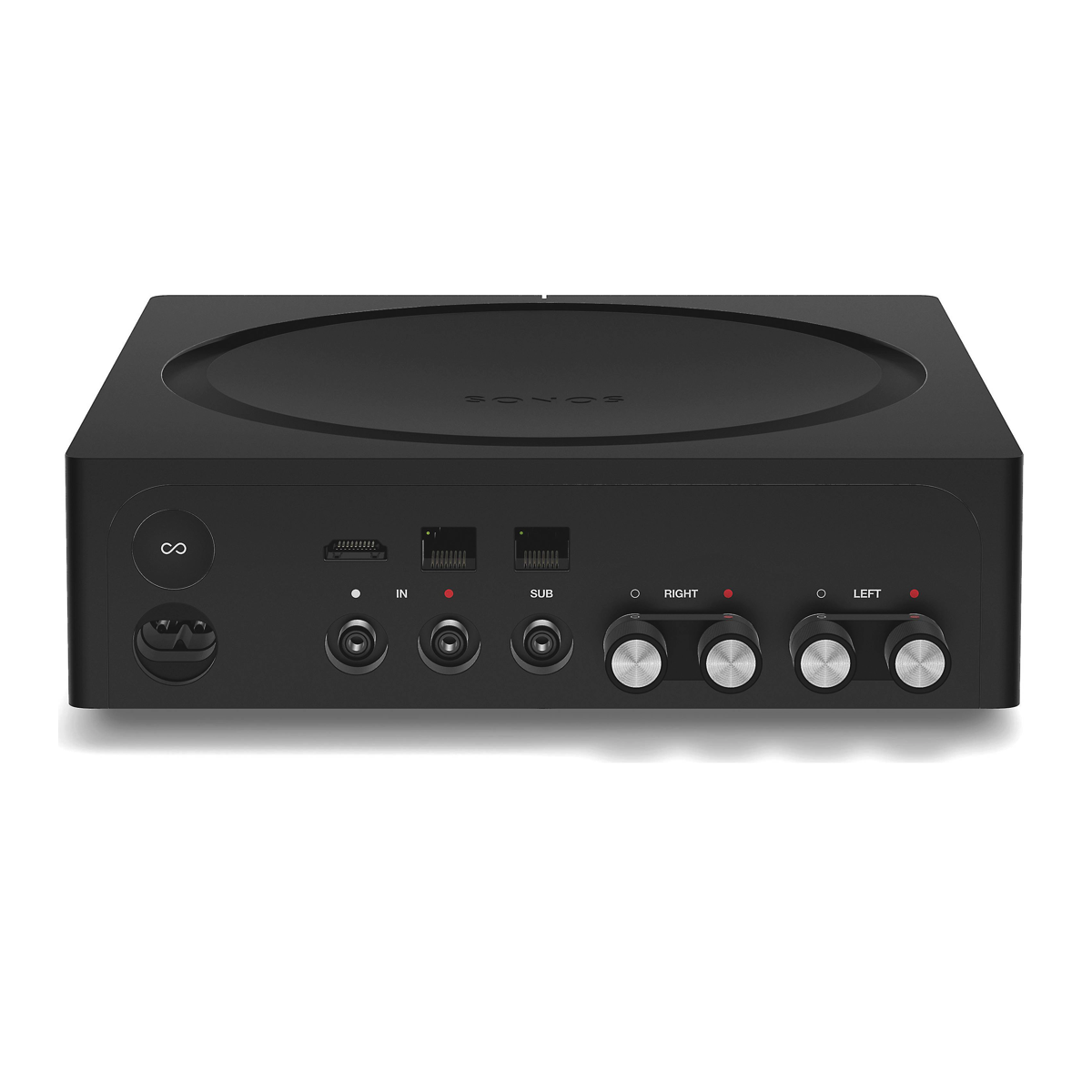
Sonos’ latest amplifier isn’t meant to be admired on a shelf. It’s designed to be tucked into cabinets, racks, or walls — out of sight and out of mind.
But while the hardware aims for invisibility, the software experience cannot afford the same luxury.
The new amp targets custom installers and homeowners building permanent, whole-home audio systems. It’s a bet on Sonos’ traditional strengths in sound quality and multi-room integration — at a time when the company is still working to rebuild confidence after recent app reliability problems.
Hardware built for permanence
Unlike portable speakers or lifestyle products, amplifiers are infrastructure. They’re installed once and expected to work for years with minimal attention.
Sonos’ design reflects that reality:
- No visual flair
- Emphasis on thermal efficiency and reliability
- Integration with passive speakers and architectural audio
For installers, the appeal is clear. A hidden amp simplifies aesthetics while preserving Sonos’ ecosystem advantages.
The app problem Sonos can’t ignore
That ecosystem, however, depends entirely on software. And the company has spent much of the past year responding to user backlash over app redesigns that introduced bugs, performance issues, and missing features.
For casual users, app friction is an annoyance. For installed systems, it’s a liability.
An amp that lives behind walls raises the stakes: if the app fails, users can’t easily bypass it with physical controls or quick replacements.
Why this launch is strategically important
The new amp suggests Sonos is leaning back into its roots:
- Custom installation
- Premium home audio
- Long lifecycle products
That market values stability over experimentation. Which means Sonos’ software roadmap now matters as much as its acoustic engineering.
Internally, the company has said app reliability is a priority. This hardware launch puts that promise to the test.
What success looks like
If the company can pair robust, installer-friendly hardware with a stable, predictable app experience, the new amp could strengthen its position in high-end residential audio — a segment less vulnerable to commoditization than smart speakers.
If not, invisibility could become a liability rather than a feature.
In connected homes, disappearing hardware only works when the software is rock solid.