
India has exempted Apple and other foreign manufacturers from export equipment taxes, easing operational costs and reinforcing its electronics export ambitions.
India’s decision to exempt Apple and other foreign manufacturers from export equipment taxes reflects a pragmatic turn in industrial policy.
The exemption reduces friction for companies operating export-oriented manufacturing hubs, particularly in electronics.
Why this matters for India’s strategy
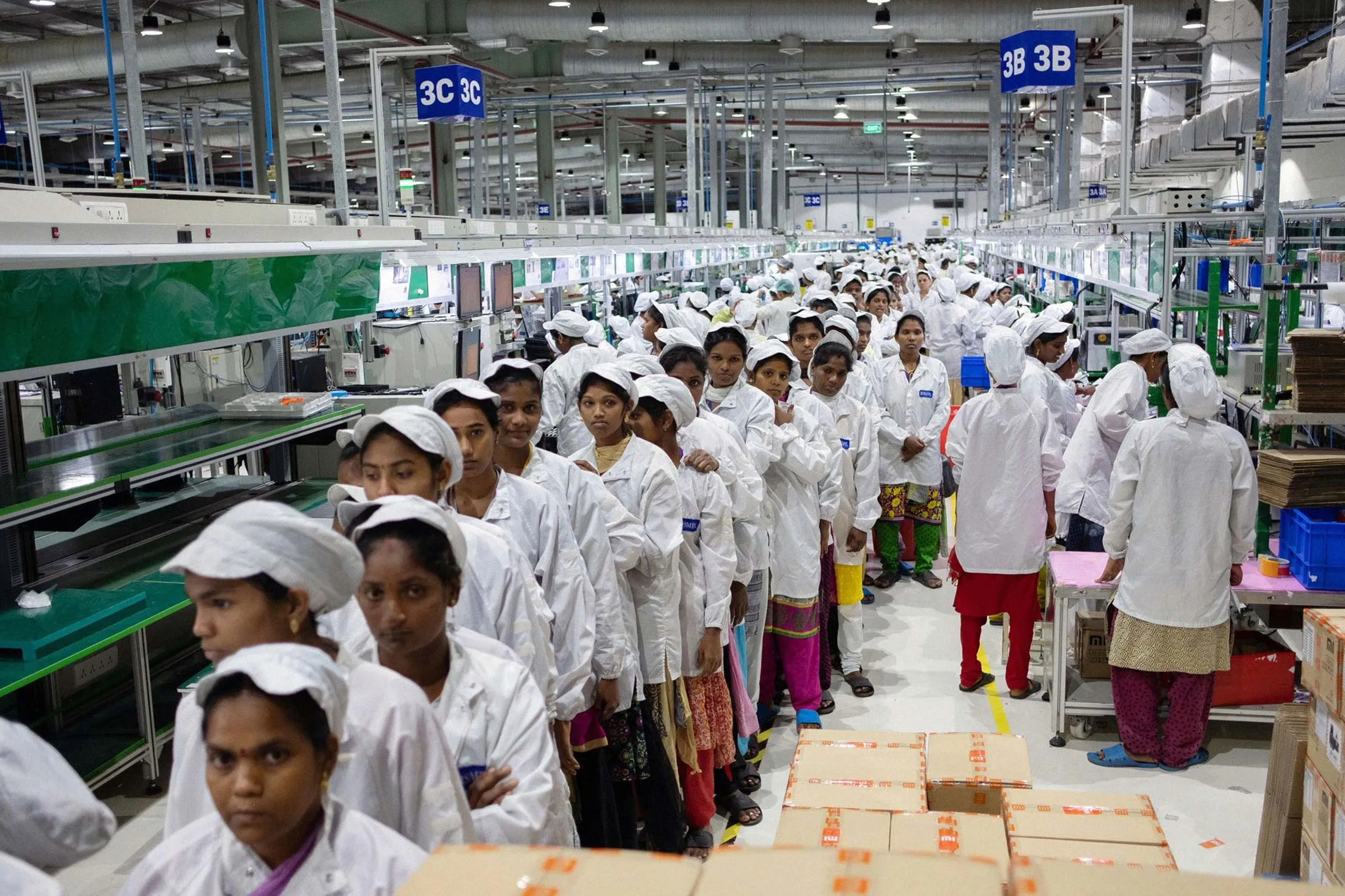
Electronics exports are among India’s fastest-growing categories. Taxing capital equipment used for export production undermines competitiveness.
By removing the levy, the government signals:
- Willingness to course-correct
- Focus on scale and exports
- Alignment with global manufacturing norms
Apple signals to multinationals
For the company, policy stability matters as much as incentives.
Apple’s latest move sends a clear signal to global multinationals: India is positioning itself as a stable, long-term manufacturing destination. For companies like Apple, predictable policy frameworks matter as much as financial incentives when making large-scale investment decisions. The recent exemption strengthens India’s manufacturing pitch, underscoring that the country aims to be more than just a short-term or tactical alternative to other global hubs. However, signaling intent is only the first step.
What will ultimately determine success is execution—consistent implementation, regulatory clarity, and operational reliability. If policy stability is matched with on-ground efficiency, such signals could translate into sustained investments and deeper integration into global supply chains.