
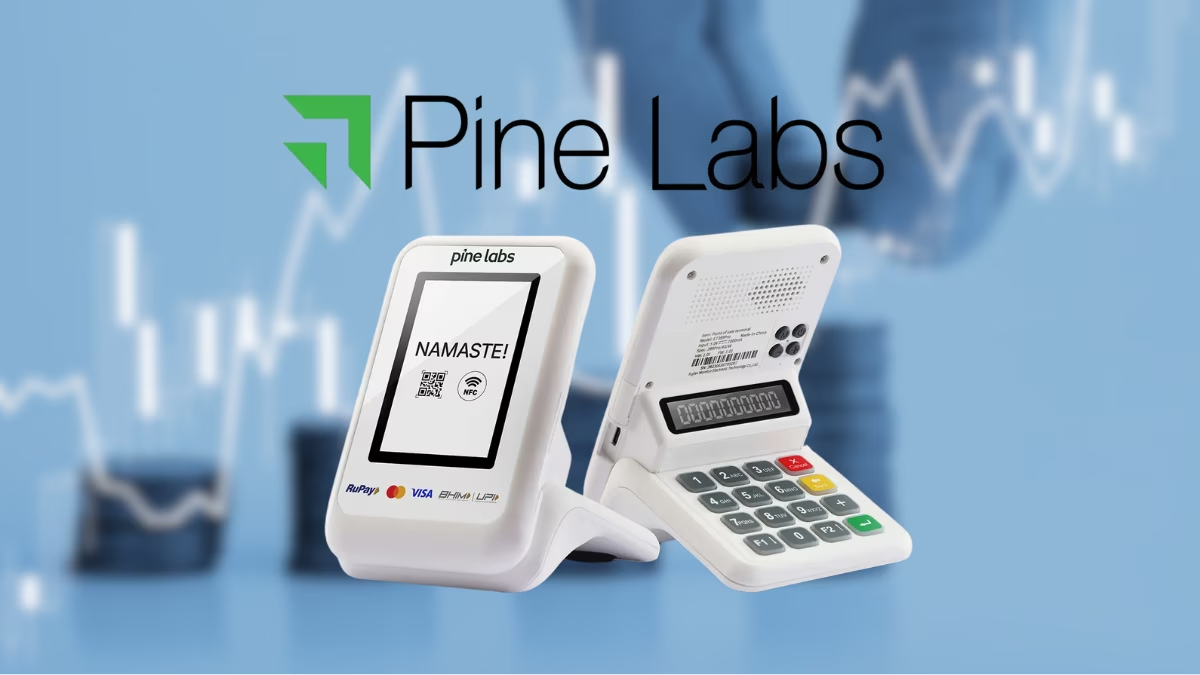
Pine Labs’ growing emphasis on software reveals a strategic shift from hardware-led payments toward higher-margin, scalable fintech platforms.
For years, Pine Labs was best known for its point-of-sale hardware — the physical layer of India’s merchant payments boom.
Today, the company’s real story is software.
Behind the terminals and QR codes, Pine Labs has been quietly building platforms that handle merchant analytics, loyalty, credit, and reconciliation. This evolution reflects a broader truth in fintech: hardware opens doors, but software captures value.
Why software changes the economics
Hardware is capital-intensive and margin-constrained. Software, by contrast, scales with minimal incremental cost.
By shifting focus toward:
- Merchant-facing SaaS tools
- Embedded credit and offers
- Data-driven insights
Pine Labs improves both margins and defensibility.
This transition also aligns with global fintech trends, where payments increasingly serve as distribution rails for higher-value financial services.
A response to competitive pressure
India’s payments space is crowded and price-sensitive. Transaction margins are thin, and differentiation at the payment layer alone is difficult.
Software allows Pine Labs to:
- Lock in merchants beyond payments
- Reduce churn
- Cross-sell financial products
The move is less about abandoning hardware and more about subordinating it to software strategy.
A familiar fintech arc
Many successful fintech companies follow this trajectory: start with infrastructure, then build platforms on top.
Pine Labs’ software turn suggests it is positioning not as a payments vendor, but as a merchant operating system.
That distinction matters — especially as capital markets reward predictable, recurring revenue.



