Fusion startup Avalanche argues that the fusion power industry should focus on smaller, modular systems rather than massive reactors to accelerate commercial viability.
As fusion energy attracts renewed attention and investment, startup Avalanche is pushing back against the industry’s prevailing assumption that bigger is better.
Instead, the company argues that smaller, modular fusion systems offer a more realistic path to commercialisation.
Challenging the mega-reactor model
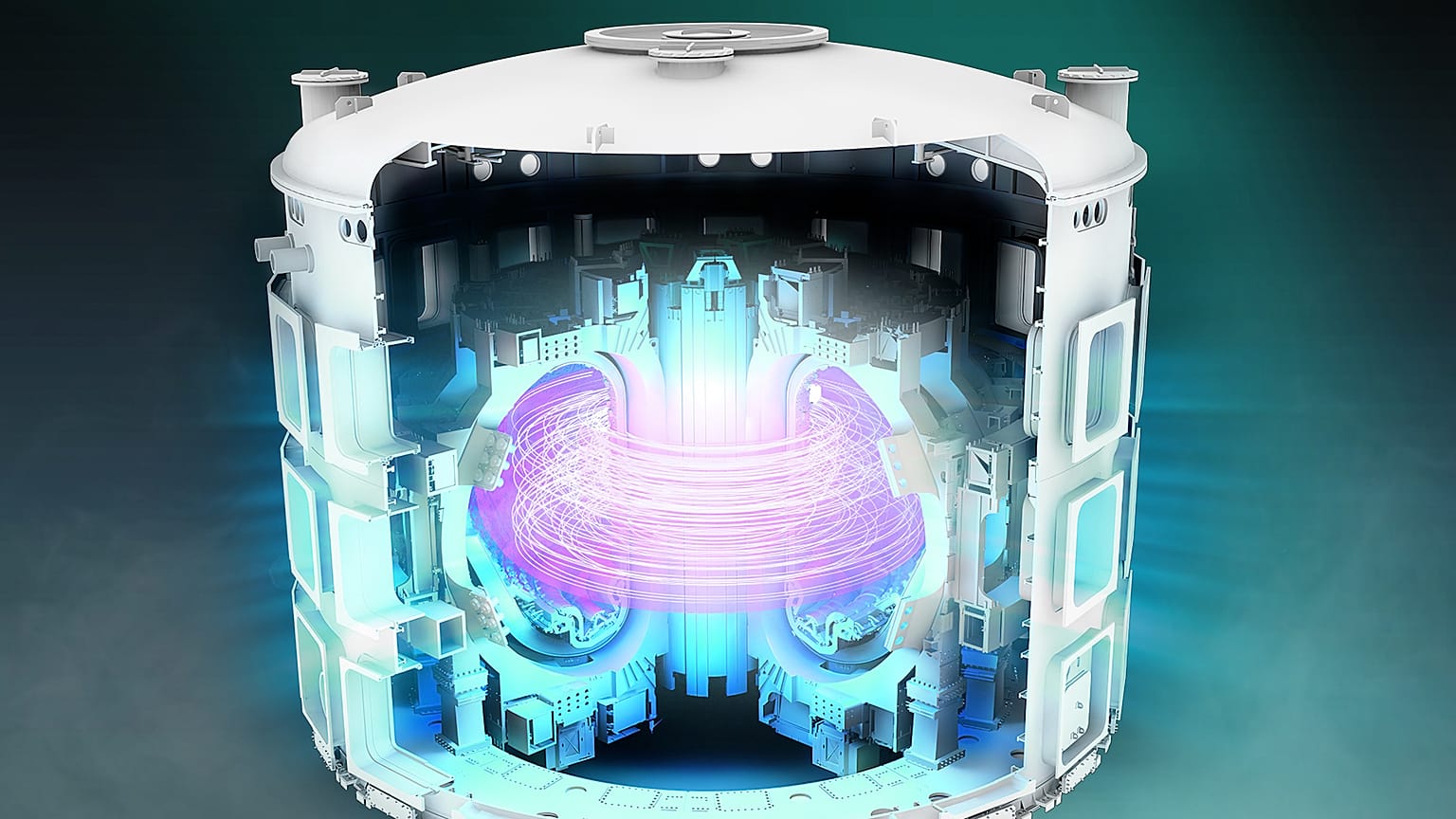
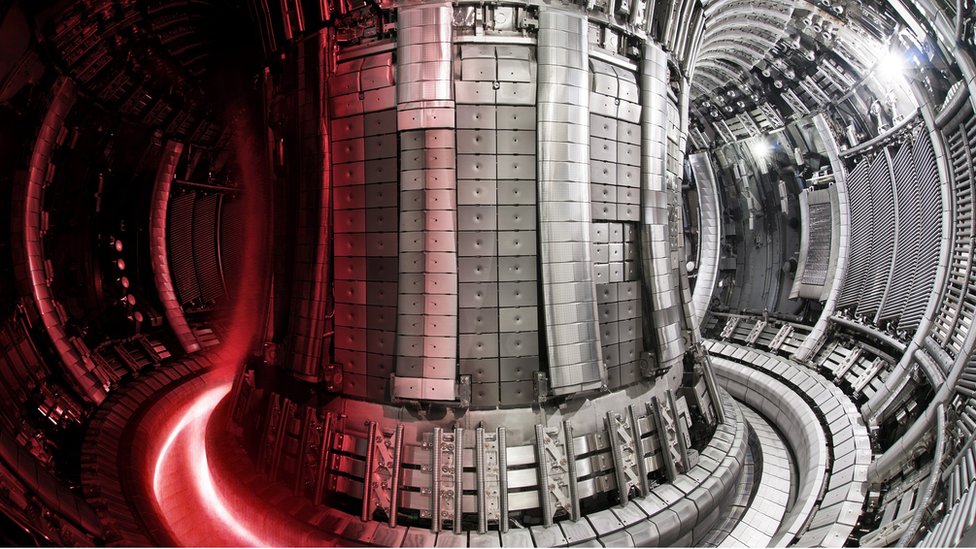
For decades, fusion research has focused on massive, capital-intensive reactors designed to demonstrate net energy gain at scale. While these projects advance scientific understanding, they often require billions of dollars and decades of development.
Avalanche believes that approach is misaligned with startup economics.
Smaller systems, it argues, can:
- Reduce development timelines
- Lower capital requirements
- Enable faster iteration and learning
A startup-first approach to fusion
Avalanche’s strategy reflects a broader shift in deep tech, where startups aim to break large scientific challenges into incremental, testable steps.
Rather than chasing a single, all-encompassing breakthrough, the company is focused on:
- Narrower use cases
- Modular designs
- Gradual scaling
This mirrors approaches seen in space technology and advanced manufacturing.
Investor realism in deep tech
Fusion has long been described as perpetually “ten years away.” Avalanche’s thesis is that part of the problem lies in overreaching designs that delay feedback and amplify risk.
By contrast, smaller systems can demonstrate progress earlier, making it easier to:
- Secure follow-on funding
- Attract commercial partners
- Validate technical assumptions
The limits of thinking small

Critics argue that fusion’s physics ultimately demands scale, and that smaller systems may struggle to achieve net-positive energy output.
Avalanche acknowledges the challenge but contends that early commercial value does not require grid-scale power generation.
Instead, initial applications could include:
- Research power systems
- Niche industrial uses
- Technology licensing
A broader debate in fusion
The company’s stance highlights a growing divide in the fusion industry between large, government-backed projects and venture-backed startups seeking faster timelines.
Both approaches may be necessary, but Avalanche is betting that agility and iteration will matter more than size in the early stages.
What comes next
Fusion remains one of the hardest problems in energy. Avalanche’s argument does not eliminate the technical hurdles — but it reframes how they might be tackled.
If smaller systems can prove useful, reliable, and scalable, they could reshape expectations for how fusion finally moves from promise to practice.