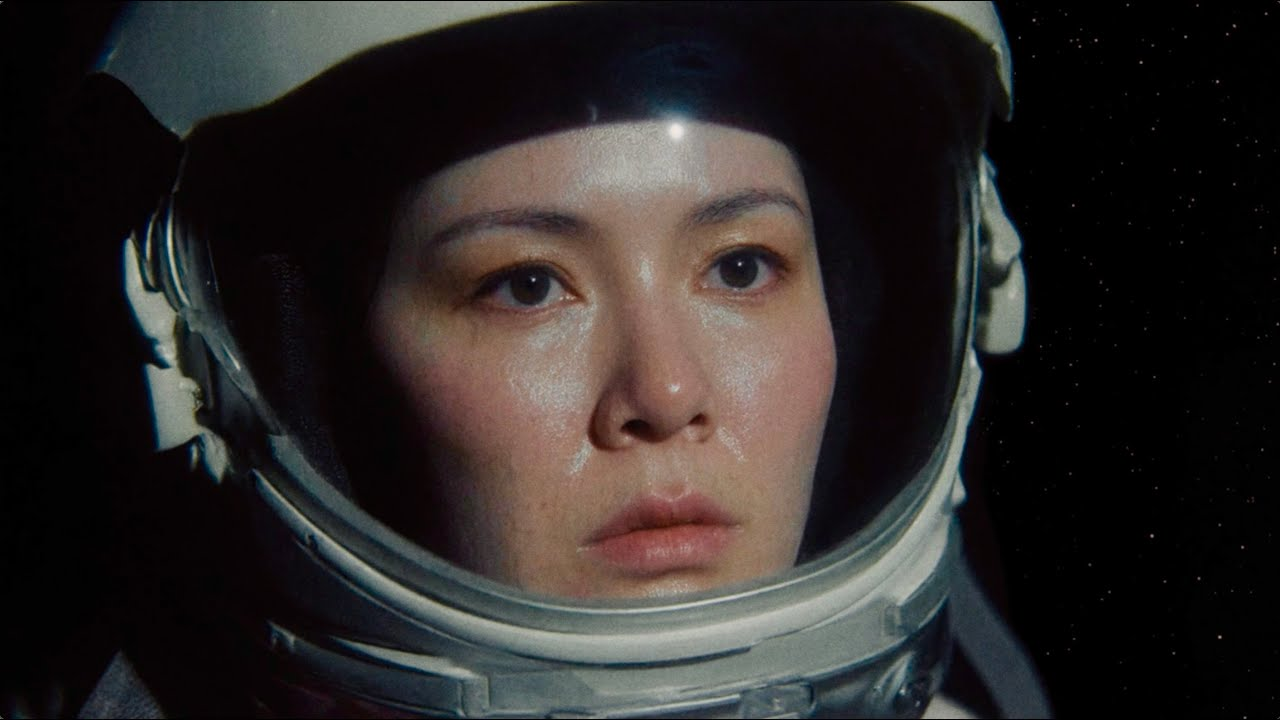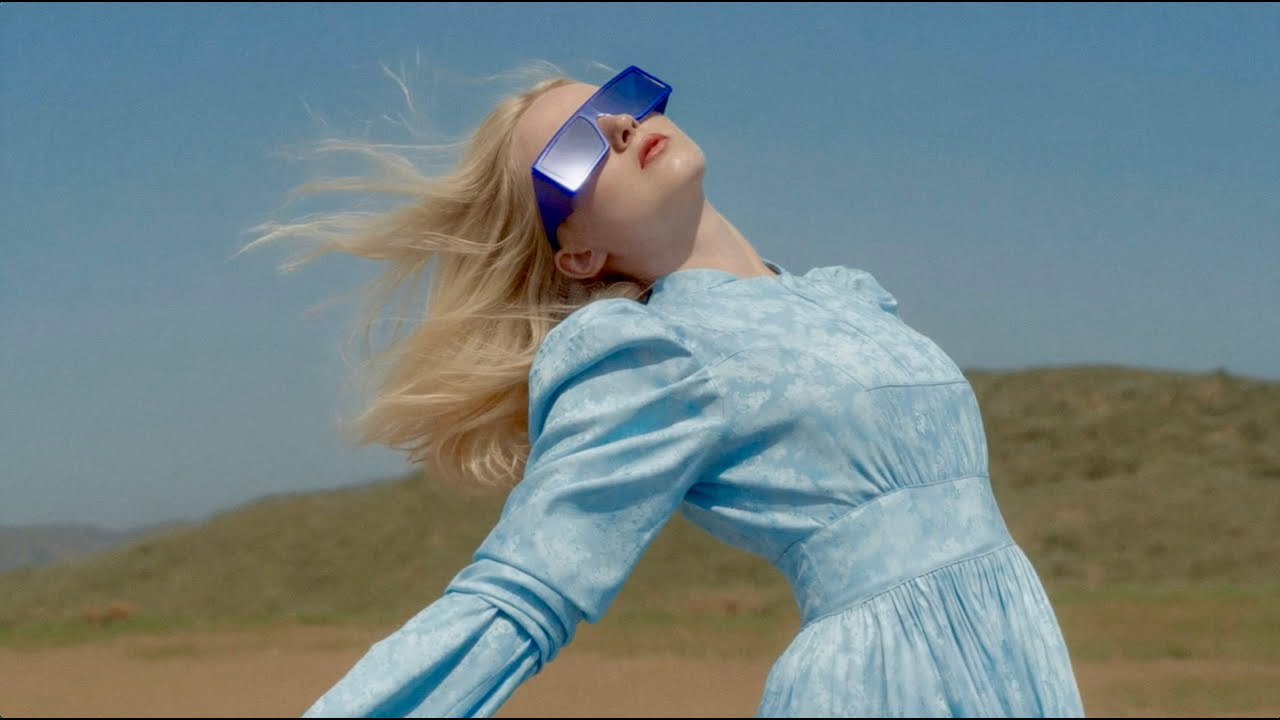
Luma AI has launched a global creative competition offering a $1 million prize to any entry made with its platform that wins a Gold Lion at the 2026 Cannes Lions festival.
Luma AI is betting that some of advertising’s best ideas never failed creatively — they simply never made it to production.
On February 2, the company announced The Luma Dream Brief, a global competition inviting creatives to turn their best unmade advertising ideas into fully realised commercials using Luma AI’s platform. The incentive is unusually direct: a $1 million prize for any piece of work created through the initiative that goes on to win a Gold Lion at the 2026 Cannes Lions.
Unlike many brand-led creative challenges, the competition is not positioned as speculative experimentation. Submissions must meet Cannes Lions’ eligibility rules and will be launched publicly with paid media support provided by Luma AI, ensuring the work qualifies for award consideration.
Reframing the problem of “unmade” ideas
Developed in collaboration with experiential and creative agency DE-YAN, The Luma Dream Brief is built around a familiar frustration within advertising agencies: ideas that are ambitious but deemed too risky, too expensive, or too difficult to visualise for clients.
By centering the brief on Luma itself as the client, the competition removes a key barrier — client risk tolerance — while using AI to lower production uncertainty.
“A lot of great advertising never gets made,” said Caroline Ingeborn, COO of Luma AI. “The Dream Brief is about removing those constraints and letting creatives prove what’s possible when ideas set the ceiling.”
Using AI as a production enabler, not a shortcut
Luma’s positioning of the competition is notable for what it does not emphasize. The company is not pitching AI as a replacement for creative thinking, but as a way to make high-concept ideas producible.
Jason Kreher, Chief Creative Officer at DE-YAN, framed the initiative as a learning opportunity for the industry.
“Almost everyone in advertising has an idea they loved that never saw the light of day,” said Jason Kreher. “Rather than fearing how generative AI might change our industry, this is a chance to understand it, by using it to make something that previously had no path to being real.”
This framing reflects a broader industry debate. As generative AI becomes more capable, agencies are grappling with how to integrate it without diluting craft, authorship, or originality.
How the competition will work
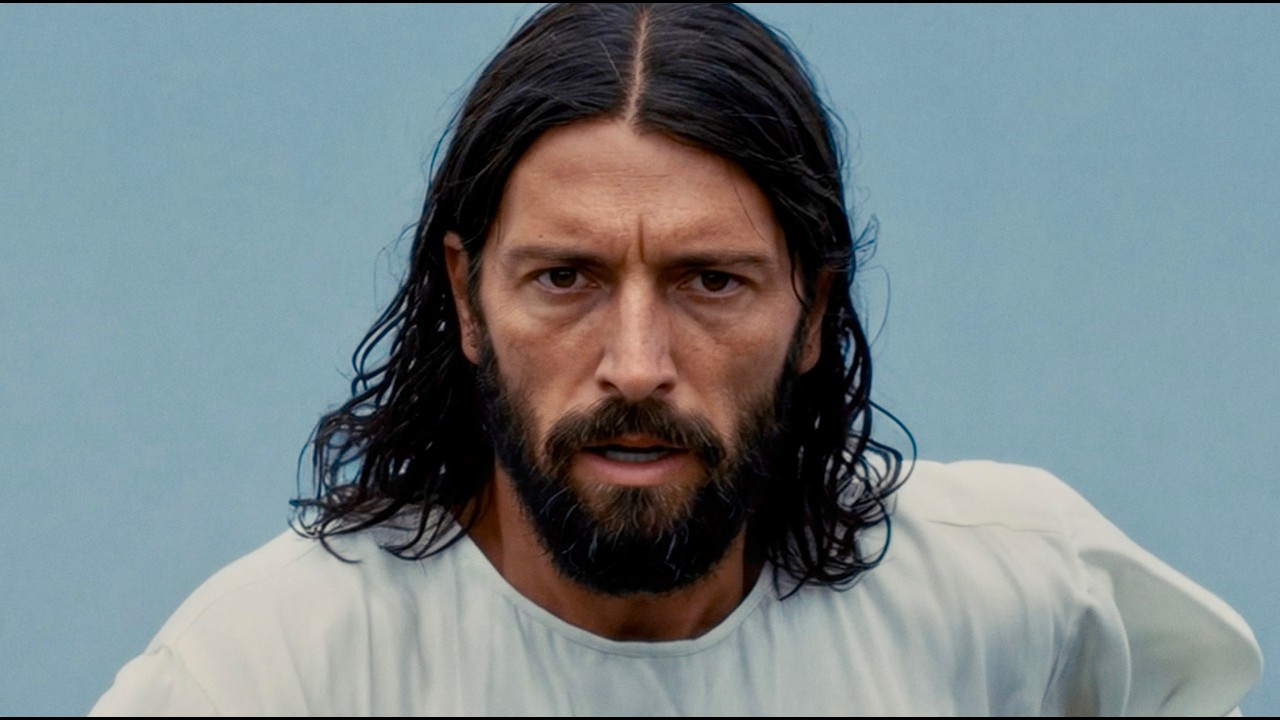
The Luma Dream Brief will roll out in phases, beginning with a launch week featuring original films created with Luma AI. Creatives can then submit their own commercials via the competition website through March 22.
To ensure eligibility under Cannes Lions rules:
- Luma AI will issue an official brief
- Selected finalists will receive paid media support
- Work must be publicly launched within the eligibility window
Submissions will be reviewed by a jury drawn from advertising and cultural leadership, though specific jurors have not yet been disclosed.
The competition is open globally, with the sole technical requirement being that submissions are created using Luma AI.
A calculated industry signal
The $1 million prize is less about volume than signaling seriousness. Cannes Lions remains the advertising industry’s most influential benchmark, and tying AI-generated work directly to Gold Lion outcomes reframes generative tools as award-viable rather than experimental.
For Luma AI, whose Dream Machine platform and Ray3 reasoning video model are already used by studios and agencies — including partners such as Adobe and AWS — the competition is also a bet on credibility.
Rather than asking whether AI can make advertising faster or cheaper, The Luma Dream Brief asks a different question: can it help the industry finally make the ideas it once thought were impossible?
Whether a Gold Lion follows remains to be seen. But the challenge itself marks a shift in how AI is being positioned — not as a novelty, but as a production-grade creative tool judged by the same standards as traditional work.