
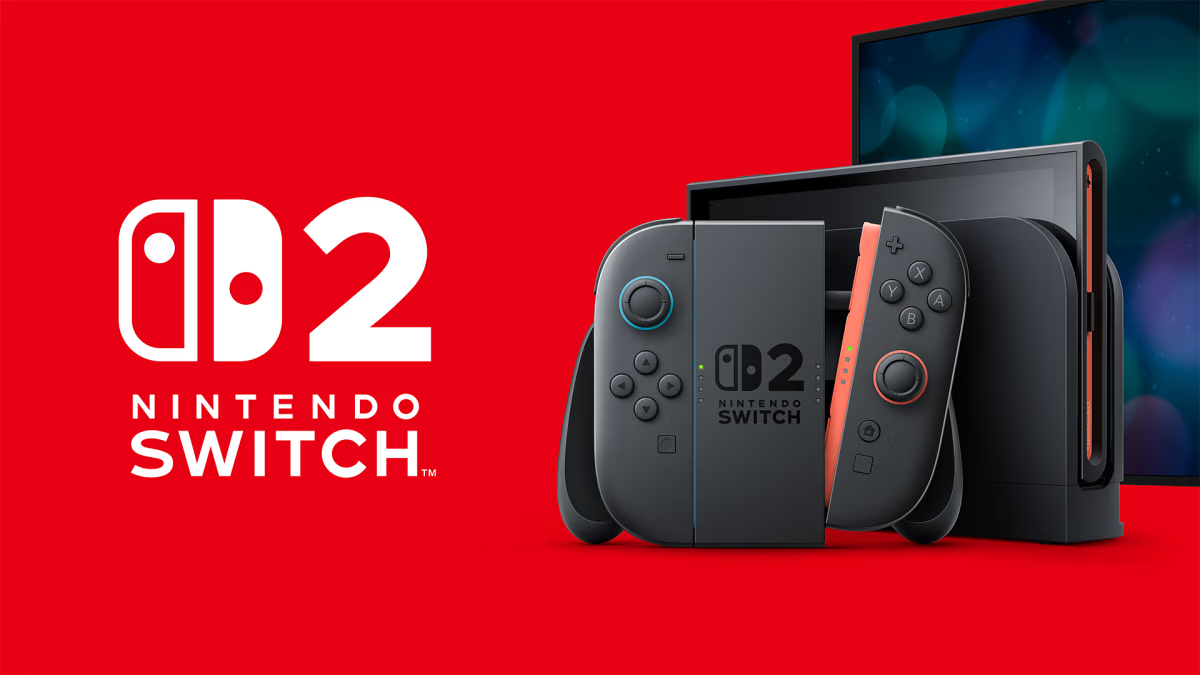
Nintendo reported a $2.3 billion net profit over nine months, driven by strong early sales of the Switch 2 and resilient demand for first-party software
Nintendo’s nine-month net profit rose to $2.3 billion, underscoring a strong start for its next-generation console and easing concerns around one of the most closely watched hardware transitions in gaming.
For Nintendo, the early traction of the Switch 2 marks a crucial moment. Successor consoles often face a delicate balancing act: sustaining interest in legacy hardware while encouraging users to upgrade.
So far, Nintendo appears to be navigating that transition effectively.
Why Switch 2 performance matters
The original Switch was one of the most successful consoles in history, setting a high bar for its successor. Investors and developers alike were watching closely to see whether Nintendo could replicate that momentum.
The profit increase suggests:
- Healthy early demand for the new hardware
- Continued strength in first-party titles
- Effective supply-chain execution
Crucially, Nintendo avoided the steep initial losses that often accompany new console launches.
Software remains Nintendo’s anchor
While hardware draws headlines, software continues to drive margins. Nintendo’s ecosystem thrives on exclusive franchises that maintain long sales tails.
First-party titles encourage:
- Higher attach rates
- Repeat engagement
- Long-term platform loyalty
This software-driven model cushions hardware cycles and stabilises earnings.
A cautious but confident outlook

Nintendo has historically taken a conservative approach to forecasts, preferring to under-promise. The strong nine-month performance gives the company flexibility as it ramps up production and marketing for the Switch 2.
Still, challenges remain. Competition from Sony and Microsoft is intense, and consumer spending remains uneven across regions.
Why investors are reassured
Console transitions are risky. Missteps can lead to inventory overhangs or stalled adoption. Nintendo’s results suggest early execution has been disciplined.
Rather than chasing cutting-edge specs, Nintendo continues to prioritise accessibility, unique gameplay, and IP-driven differentiation — a strategy that has repeatedly paid off.
The bigger picture
Nintendo’s profit growth reinforces a broader industry truth: while hardware cycles are volatile, strong ecosystems endure.
If Switch 2 maintains momentum, Nintendo could once again defy conventional console economics — turning a generational shift into sustained profitability.



