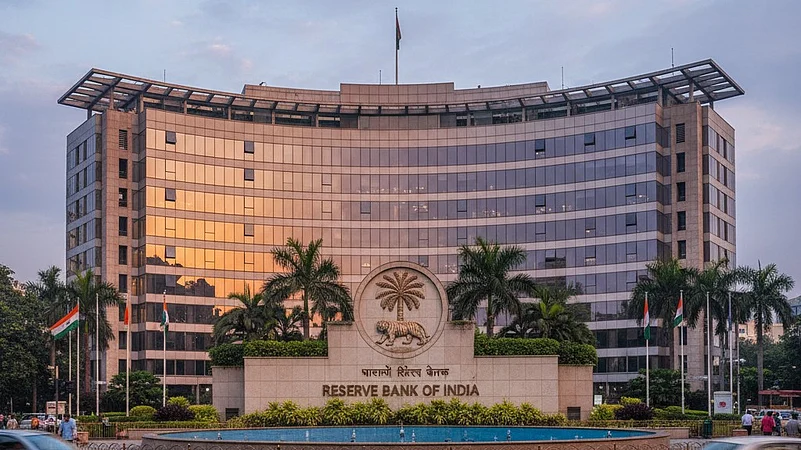
The Reserve Bank of India has imposed a compounding penalty on Paytm under FEMA, highlighting stricter scrutiny of compliance in the fintech sector.
India’s central bank has imposed a Foreign Exchange Management Act (FEMA) compounding penalty on Paytm, reinforcing its message that regulatory compliance remains non-negotiable for fintech platforms — regardless of transaction size.
The penalty relates to what were described as “little deals,” underscoring that even small or routine transactions fall within the RBI’s regulatory ambit.
Why this matters for fintechs
The action comes at a time when the Reserve Bank of India is tightening oversight across payments, lending, and wallet-based platforms.
Over the past two years, the RBI has:
- Increased scrutiny of foreign exchange compliance
- Taken enforcement action against major fintechs
- Signalled zero tolerance for procedural lapses
The Paytm penalty reinforces that compounding — a mechanism allowing companies to settle violations monetarily — does not imply leniency, but regulatory accountability.
What FEMA compounding signals
FEMA governs cross-border transactions and foreign exchange flows. Compounding penalties typically arise when companies voluntarily disclose or are found to have breached procedural requirements.
While compounding avoids prolonged litigation, it also creates a public compliance record — something fintechs are increasingly sensitive to as they engage with banks, regulators, and global partners.
Paytm’s broader context

Paytm has faced heightened regulatory attention in recent years as it operates across payments, lending distribution, and financial services.
The RBI’s latest action does not indicate systemic misconduct, but it adds to a pattern of close supervision that fintechs of Paytm’s scale now face.
Industry-wide implications
For India’s fintech ecosystem, the message is clear:
- Scale does not dilute compliance responsibility
- Small-value transactions are not exempt
- Regulatory expectations are converging with traditional financial institutions
This could increase compliance costs, but also strengthen long-term credibility.
A maturing regulatory phase
As digital payments become core financial infrastructure, regulatory enforcement is moving from advisory to corrective.
The RBI’s action against Paytm reflects a maturing ecosystem — one where innovation is encouraged, but only within clearly defined legal boundaries.
For fintech founders and investors, regulatory discipline is no longer a future risk. It is a present operating condition.