
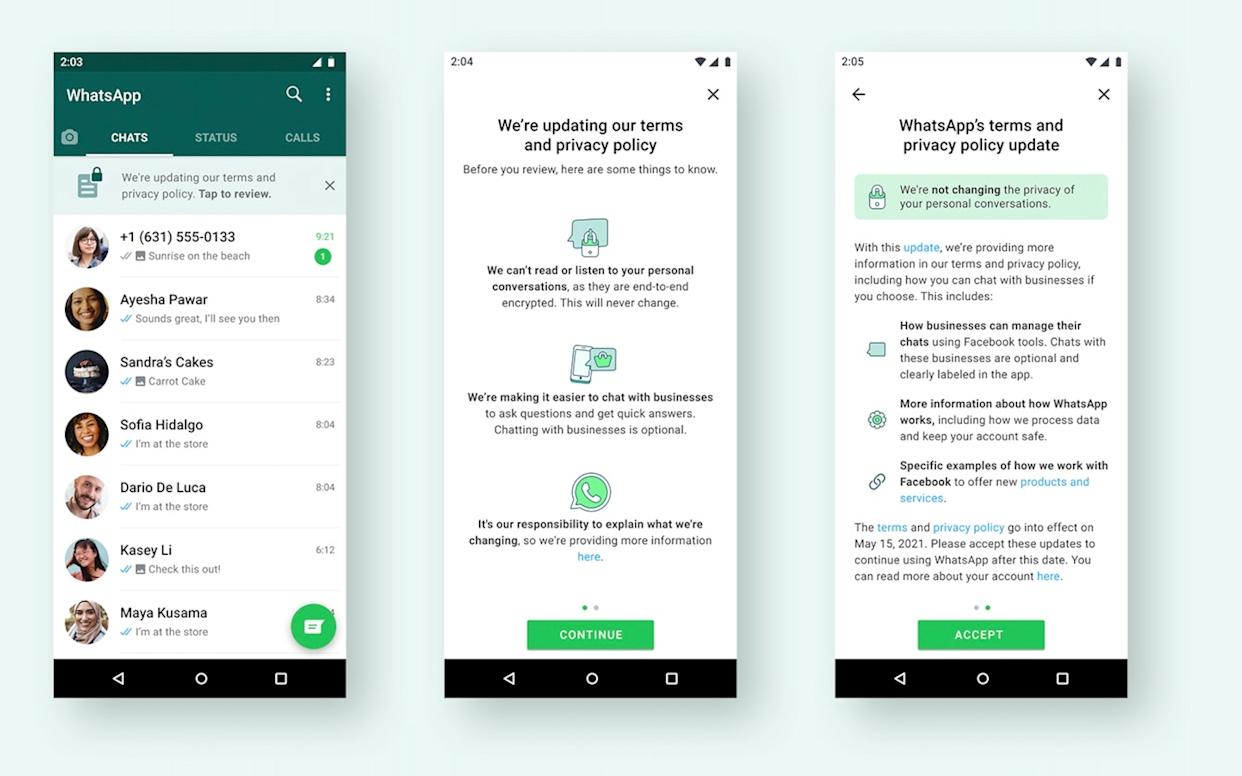
India’s Supreme Court has sharply criticised WhatsApp and Meta over their “take it or leave it” privacy policy, indicating it will pass an interim order on February 9.
India’s Supreme Court has delivered a pointed rebuke to WhatsApp and its parent company Meta, questioning the legality and fairness of a privacy policy that effectively forces users to accept data-sharing terms or stop using the service.
The court said it would pass an interim order on February 9, a move that could have far-reaching implications for how global technology companies operate in one of their largest markets.
Why the court intervened
At the heart of the case is WhatsApp’s updated privacy policy, which requires users to consent to data-sharing practices with Meta as a condition for continued use.
The court took issue with what it described as a “take it or leave it” framework — arguing that genuine consent cannot exist where users have no meaningful alternative.
For a platform as dominant as WhatsApp, the stakes are especially high.
Consent and market power
The Supreme Court’s remarks reflect a growing judicial understanding of digital market power. When a service becomes essential infrastructure for communication, consent obtained through compulsion may not meet constitutional or consumer protection standards.
Key concerns raised include:
- Whether users truly have a choice
- How personal data is shared within corporate groups
- The imbalance between individual users and large platforms
The case signals a shift from procedural compliance toward substantive fairness.
Broader implications for Big Tech
If the court restricts WhatsApp’s ability to enforce its policy, the impact could extend beyond messaging apps.
Other platforms with bundled ecosystems may face similar scrutiny over:
- Forced consent models
- Cross-platform data sharing
- Default opt-in mechanisms
India’s courts are increasingly willing to engage directly with questions of digital rights — not just defer to regulators.
Intersection with India’s data protection regime

The case also sits alongside India’s evolving data protection framework, which aims to balance innovation with user rights.
A strong interim order could effectively set judicial guardrails even before full regulatory enforcement matures.
For Meta, India is a critical market. Any constraints on data practices could affect advertising, product integration, and long-term strategy.
A warning shot, not just a hearing
The Supreme Court’s language suggests impatience with arguments that frame consent as a checkbox rather than a choice.
By signalling an interim order, the court is asserting its willingness to shape outcomes — not merely observe.
Whether the ruling ultimately favors users or platforms, the message is clear: digital dominance does not override constitutional scrutiny.
As February 9 approaches, the case is being watched closely — not just by WhatsApp users, but by every global tech company operating in India.



