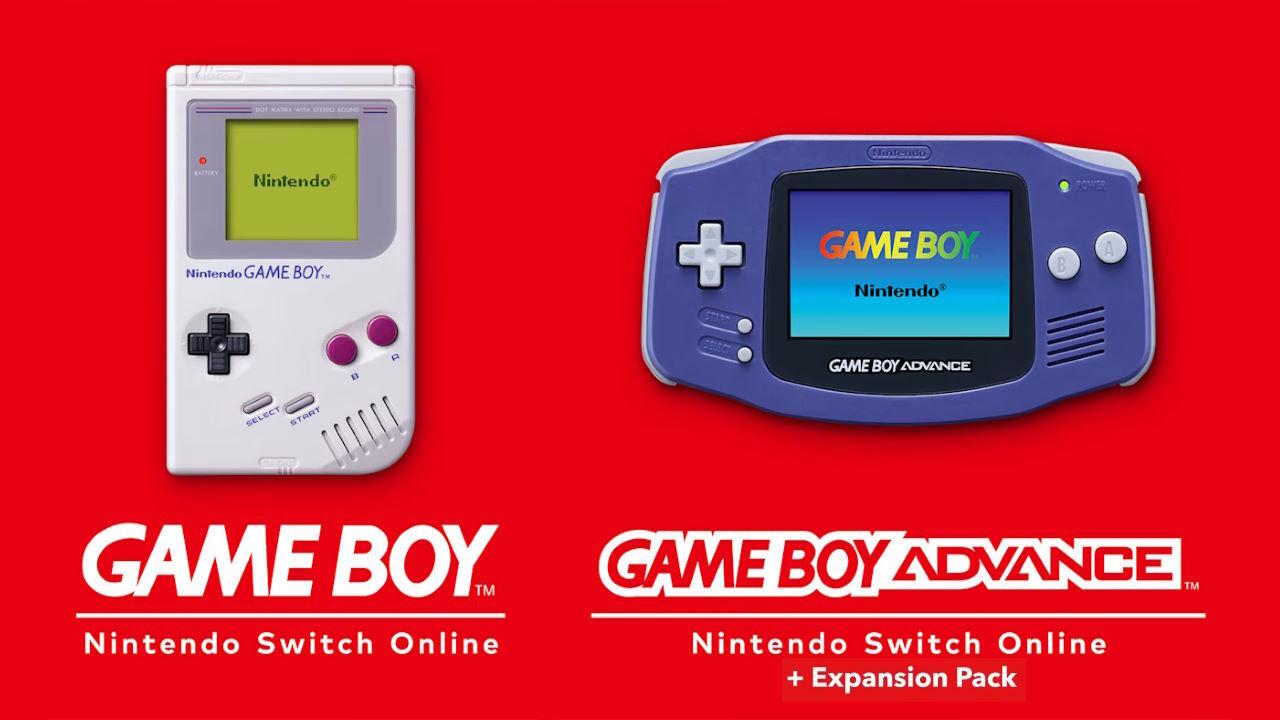
Nintendo has added a new batch of Game Boy titles to Nintendo Switch Online, continuing its push to use classic games as a key subscription retention tool.
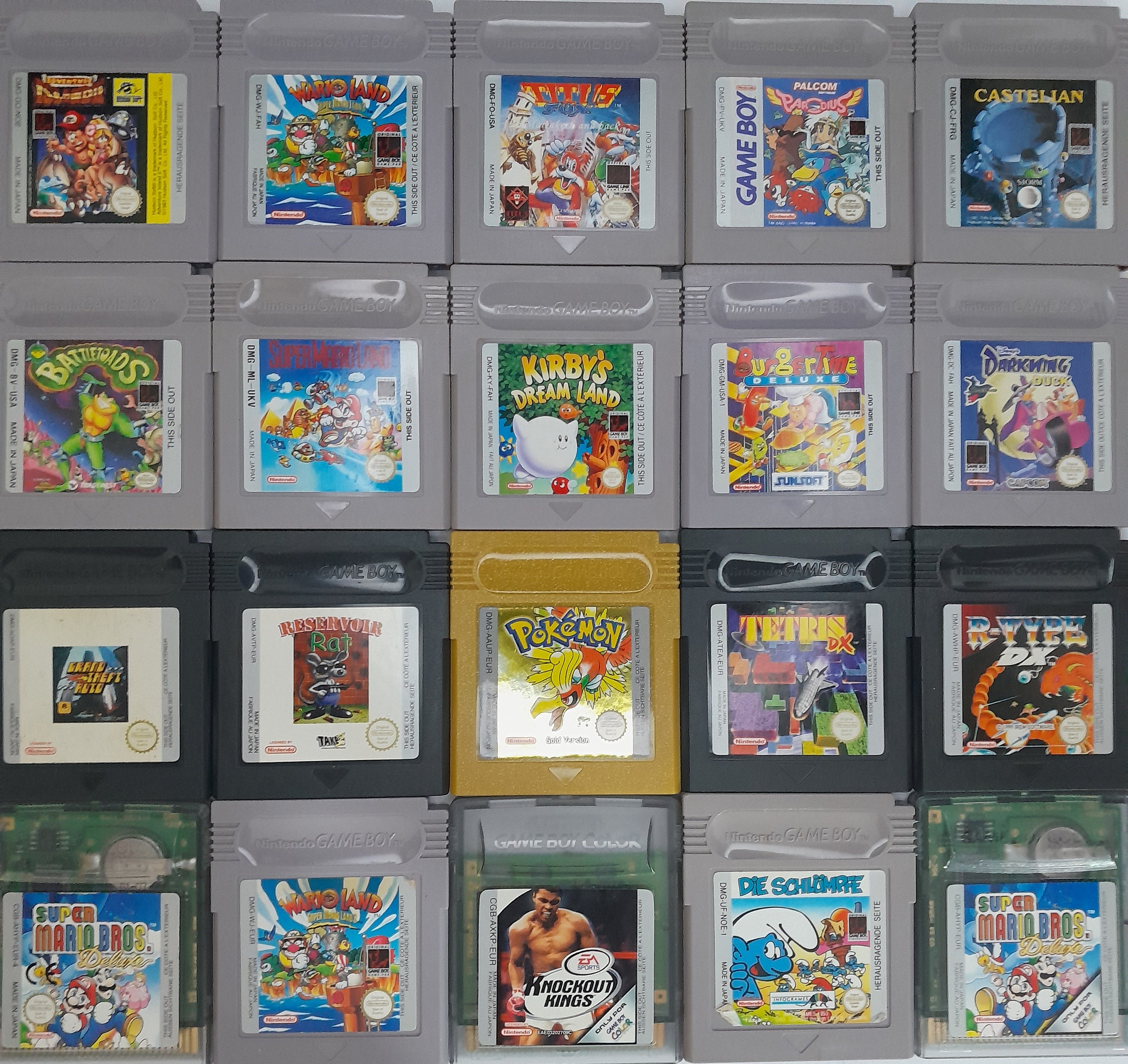
Nintendo is once again leaning into nostalgia. The company has expanded its Nintendo Switch Online service with a fresh set of Game Boy titles, giving subscribers access to more classics from its extensive back catalogue.
The update reflects a broader strategic shift in how Nintendo approaches its legacy IP: not as static history, but as a living content pipeline designed to keep players engaged between major new releases.
Retro gaming as a subscription pillar
When Nintendo first introduced classic libraries to Switch Online, the offering was modest. Over time, however, retro games have evolved into a core value proposition of the subscription.
The steady expansion of:
- NES
- SNES
- Game Boy
- Game Boy Advance
has helped Nintendo position Switch Online not just as a multiplayer access pass, but as a digital museum of its own history.
For many subscribers, especially older players, access to classic titles is now a primary reason to maintain membership.
Why Game Boy still matters
The original Game Boy occupies a unique place in gaming history. Its games were often mechanically simple but deeply replayable, making them well-suited to modern, on-the-go play sessions.
On the Switch, these titles benefit from:
- Save states
- Improved screen scaling
- Portability
This combination allows Nintendo to reintroduce decades-old games in a form that feels surprisingly contemporary.
Filling gaps between major releases
Nintendo’s release cadence for major first-party titles is deliberately spaced. Retro additions help fill the quieter months, ensuring there is always something new for subscribers to explore.
This approach also smooths engagement cycles, reducing the risk of churn during periods without blockbuster launches.
From a business perspective, it’s a low-cost, high-impact strategy: the development investment is minimal, but the perceived value for subscribers remains high.
Competition in subscription gaming
Nintendo’s retro-first strategy stands in contrast to rivals such as Xbox Game Pass, which focuses on day-one access to new releases.
Rather than compete directly on volume or recency, Nintendo differentiates by offering curated legacy content that only it can provide.
That exclusivity — rooted in decades of IP ownership — gives Nintendo a structural advantage that few competitors can replicate.
Appealing across generations
While nostalgia drives older subscribers, retro libraries also introduce younger players to franchises they may only know by name.
Games originally released decades ago often serve as:
- Entry points into long-running series
- Context for modern remakes and sequels
- Cultural touchstones within the Nintendo ecosystem
This intergenerational appeal strengthens brand loyalty over time.
What to expect next
Nintendo has not detailed the full roadmap for future retro additions, but the cadence suggests continued, incremental updates rather than large drops.
As Nintendo prepares for its next hardware generation, Switch Online’s role is likely to grow further — providing continuity and value across platform transitions.