Nvidia CEO Jensen Huang said India is on track to build its own large-scale AI infrastructure, driven by surging domestic demand, policy support, and a growing need for sovereign compute. His remarks underline India’s shift from being an AI talent hub to becoming a full-stack AI infrastructure builder.
Jensen Huang, chief executive of Nvidia, has said that India is likely to build its own artificial intelligence infrastructure as demand for compute power grows rapidly across sectors ranging from technology services and startups to government and industrial applications.
Speaking in the context of Nvidia’s expanding global AI footprint, Huang pointed to India’s scale, engineering depth, and policy momentum as factors that make domestic AI infrastructure not just viable, but inevitable. His comments come as countries around the world increasingly look to reduce dependence on a handful of global cloud providers for critical AI workloads.
From AI talent hub to infrastructure builder
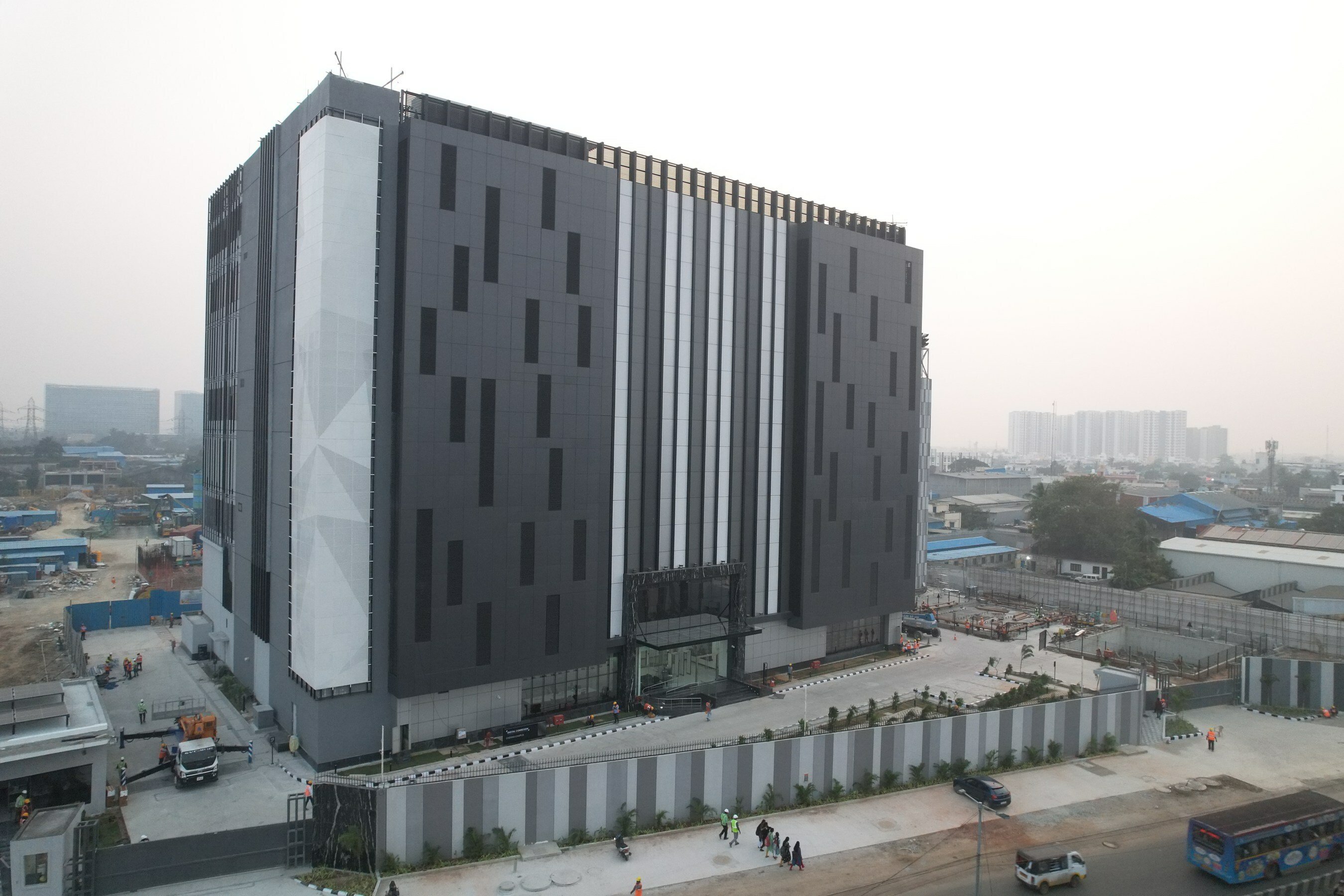
India has long been recognised as a global hub for software engineering and IT services, supplying talent to technology companies worldwide. However, Huang’s remarks suggest that the country is now entering a new phase—one where it builds and operates its own AI compute backbone rather than relying primarily on overseas data centres.
The shift is being driven by several converging forces: rapid AI adoption by Indian enterprises, the emergence of AI-first startups, rising government interest in sovereign AI capabilities, and concerns around cost, data localisation, and long-term strategic autonomy.
AI models, particularly large language and multimodal systems, require enormous amounts of GPU compute. Until recently, much of this capacity was concentrated in the US and a few other markets. That concentration is increasingly seen as a constraint for fast-growing digital economies like India.
Rising demand across sectors
India’s AI demand is no longer limited to Big Tech or research labs. Banks, telecom operators, manufacturing firms, healthcare providers, and public-sector agencies are all beginning to deploy AI at scale—for fraud detection, customer service, predictive maintenance, diagnostics, and governance.
This broad-based adoption has put pressure on existing cloud capacity. Renting GPUs from global hyperscalers can be expensive, particularly for always-on or large-scale workloads. As a result, both enterprises and policymakers are exploring domestic data centres and AI clusters as a way to lower costs and improve control.
Huang’s comments align with this trend, signalling that Nvidia expects India to become not just a major consumer of AI hardware, but also a significant builder of AI infrastructure.
Sovereign compute and policy momentum
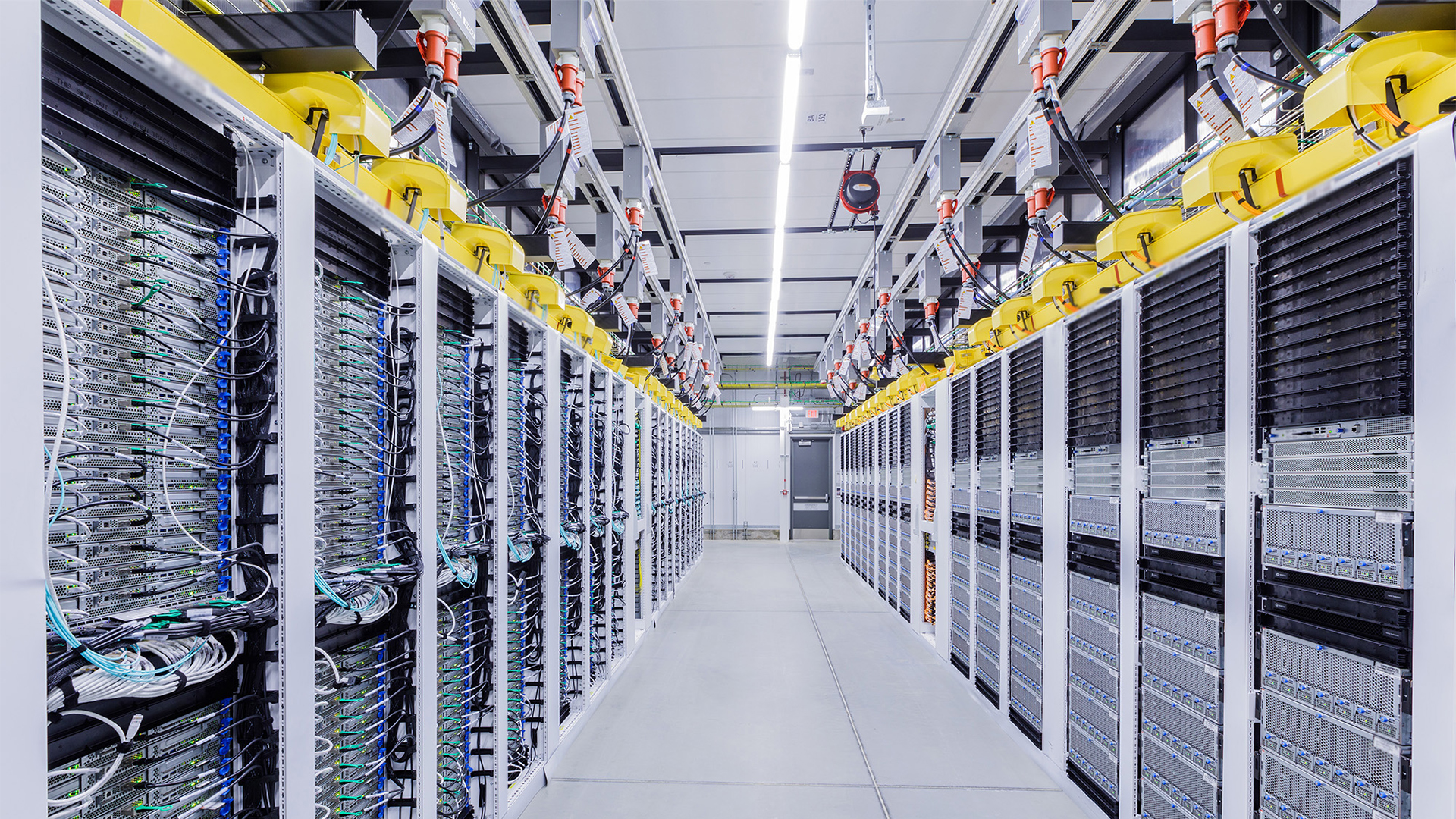
The push toward domestic AI infrastructure is also being reinforced by policy. Indian authorities have increasingly emphasised the importance of sovereign digital infrastructure, particularly for sensitive data and strategic technologies.
Government-backed initiatives focused on AI, semiconductors, and data centres are creating an environment where large-scale compute investments are more feasible. These efforts are aimed at ensuring that critical AI workloads—especially in areas like governance, defence, healthcare, and education—can run on infrastructure located within the country.
For Nvidia, which supplies the GPUs that power most advanced AI systems globally, this represents a major growth opportunity. India building its own AI infrastructure would translate into sustained demand for high-performance chips, networking equipment, and software platforms.
Not just data centres, but an ecosystem
Huang’s vision of India building AI infrastructure goes beyond simply constructing data centres. It implies the development of a full ecosystem that includes power, cooling, networking, skilled operators, and AI software stacks optimised for local needs.
India’s large renewable energy capacity, expanding fibre networks, and growing base of cloud and data centre operators all support this trajectory. At the same time, local system integrators and startups are beginning to build expertise in deploying and managing GPU clusters—capabilities that were once limited to a small group of global players.
This ecosystem approach is critical if India is to move from experimentation to sustained, production-grade AI deployment at scale.
Strategic implications for global AI competition
India’s move toward domestic AI infrastructure also has broader geopolitical and economic implications. As AI becomes a foundational technology, countries are increasingly competing not just on algorithms, but on access to compute.
By building its own infrastructure, India can reduce exposure to global supply shocks, pricing volatility, and regulatory constraints in other jurisdictions. It also strengthens the country’s position in global technology supply chains, making it a more attractive destination for AI-driven investment and innovation.
For Nvidia, India represents a market where AI demand is likely to grow for decades. Huang’s comments suggest the company sees India not merely as a sales destination, but as a long-term partner in shaping the next phase of global AI infrastructure.
A long-term bet on scale
While building AI infrastructure at national scale is capital-intensive and complex, India’s size works in its favour. Large domestic demand can justify the investments needed to create world-class compute clusters, while localising infrastructure can unlock efficiencies over time.
Huang’s prediction reflects a broader industry view: that AI is moving from a cloud-centric model dominated by a few regions to a more distributed, multi-polar infrastructure landscape. In that future, India is unlikely to remain on the sidelines.
Instead, as Nvidia’s CEO suggests, it is positioning itself to be one of the places where AI infrastructure is built, owned, and scaled—on its own terms.