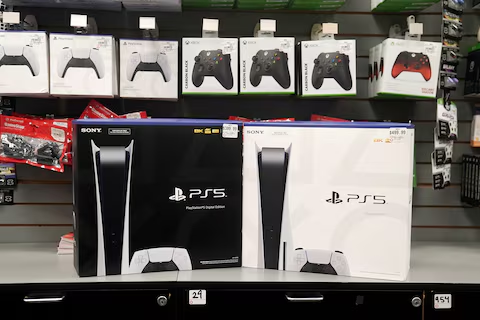
Sony Group Corporation has raised its full-year earnings outlook following a stronger-than-expected quarter, underscoring the resilience of its diversified entertainment portfolio—even as PlayStation 5 hardware sales softened.
A tale of two trends: profits up, consoles down
In its latest results, Sony reported momentum across key businesses—particularly music, pictures, and network services—prompting management to lift profit guidance for the fiscal year. Gaming remained profitable, helped by higher margins and steady engagement across digital content and subscriptions. However, PS5 unit sales declined year-on-year, reflecting a maturing console cycle and tougher comparisons after prior-year supply constraints eased.
Sony acknowledged that hardware demand has normalized as early adopters are largely served and price-sensitive consumers weigh spending amid a crowded entertainment market. Even so, management emphasized that the gaming segment’s economics are improving, driven by software attach rates, in-game spending, and services.
How far behind is PS5—really?
Context matters. According to sales analysis highlighted by industry trackers and gaming media, PS5’s cumulative pace remains close to the PlayStation 4 at a comparable point in its lifecycle. While the PS5 no longer posts the explosive growth seen during post-pandemic catch-up demand, it continues to perform within historical norms for a premium console generation.
Notably, during the recent holiday period, PS5 reportedly outsold the newly launched Nintendo Switch 2 in several markets—a signal that Sony’s platform retains strong mainstream appeal even as competition intensifies.
Profit levers beyond hardware
Sony’s raised outlook reflects how the company has diversified gaming revenues away from a hardware-only narrative. Key contributors include:
- First-party software and third-party royalties: Blockbuster releases and a broad third-party catalog continue to lift average revenue per user.
- Live services and subscriptions: PlayStation Plus tiers support recurring revenue and retention.
- Cost discipline and pricing: Earlier price adjustments on PS5 hardware in select regions improved margins, cushioning volume softness.
Executives reiterated that profitability—not raw unit sales—is the north star at this stage of the cycle.
Competitive landscape heats up
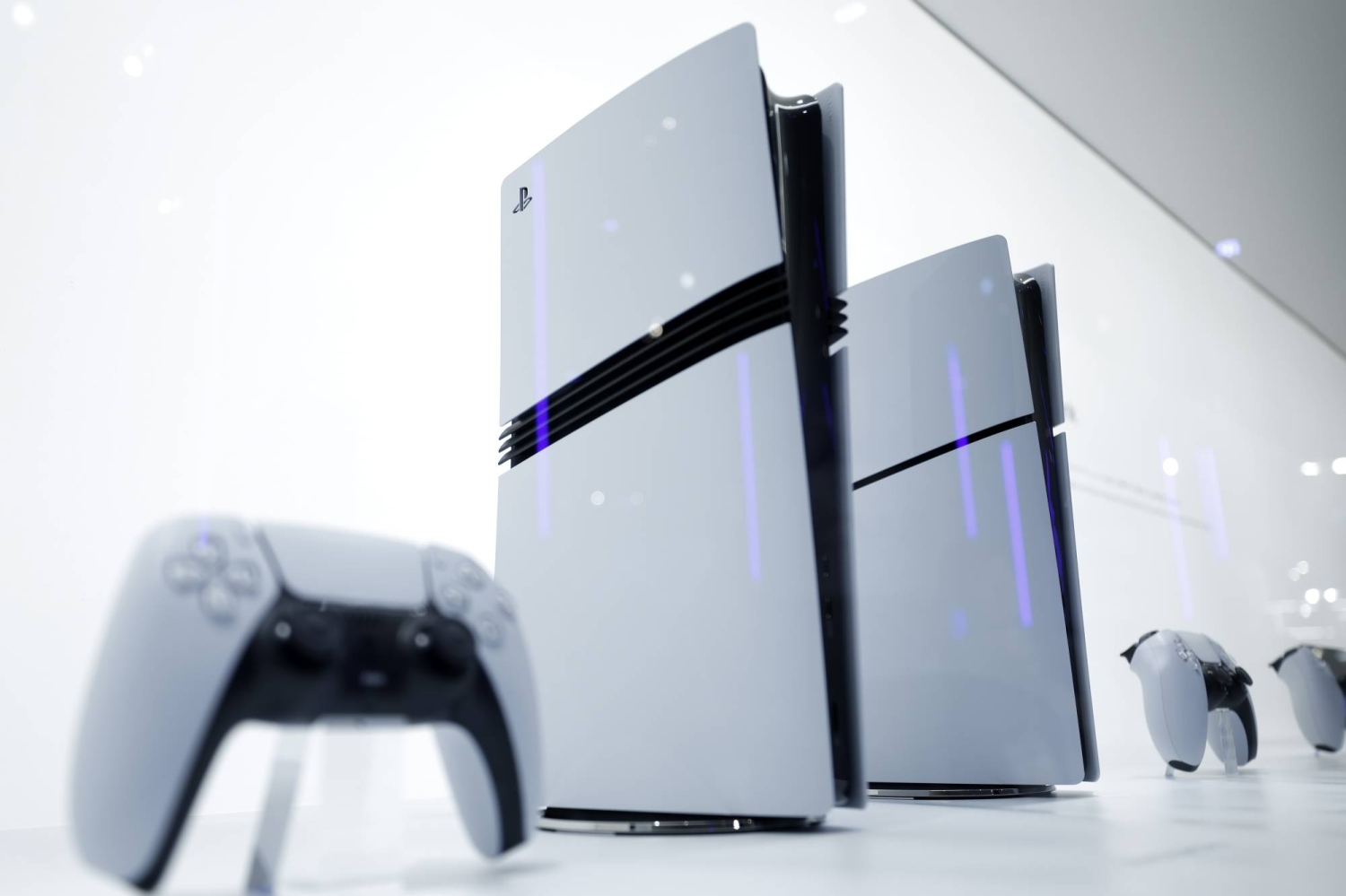
The console market is entering a competitive phase. Nintendo’s next-gen push introduces fresh hardware dynamics, while Microsoft continues to emphasize ecosystem reach through services and cloud play. Sony’s counterweight is its content engine—exclusive franchises, cinematic IP, and cross-media adaptations that keep players engaged across formats.
Sony also benefits from its broader entertainment flywheel. Music and film performance helped offset gaming cyclicality this quarter, validating a strategy that balances creative IP with platform scale.
What to watch next
Investors and gamers alike will focus on several near-term signals:
- Software slate cadence: Timely first-party launches can reignite hardware demand and boost engagement.
- Services growth: Subscription ARPU and churn trends will indicate how well Sony monetizes its installed base.
- Pricing and promotions: Targeted bundles during peak seasons could stabilize volumes without eroding margins.
- Lifecycle management: Mid-cycle refreshes or feature upgrades could extend PS5’s runway.
Bottom line
Sony’s results highlight a maturing but healthy console business. PS5 sales have cooled, yet remain competitive with historical benchmarks—and profitability is improving as software and services carry more weight. With earnings guidance lifted and diversification paying dividends, Sony appears positioned to navigate the latter half of the console cycle while investing in what comes next.