

Tinder is introducing new AI-driven features to reduce swipe fatigue and improve match quality as users increasingly report burnout with traditional dating app mechanics.
After more than a decade of swipe-based dominance, Tinder is turning to artificial intelligence in an effort to address one of the biggest challenges facing modern online dating: user burnout.
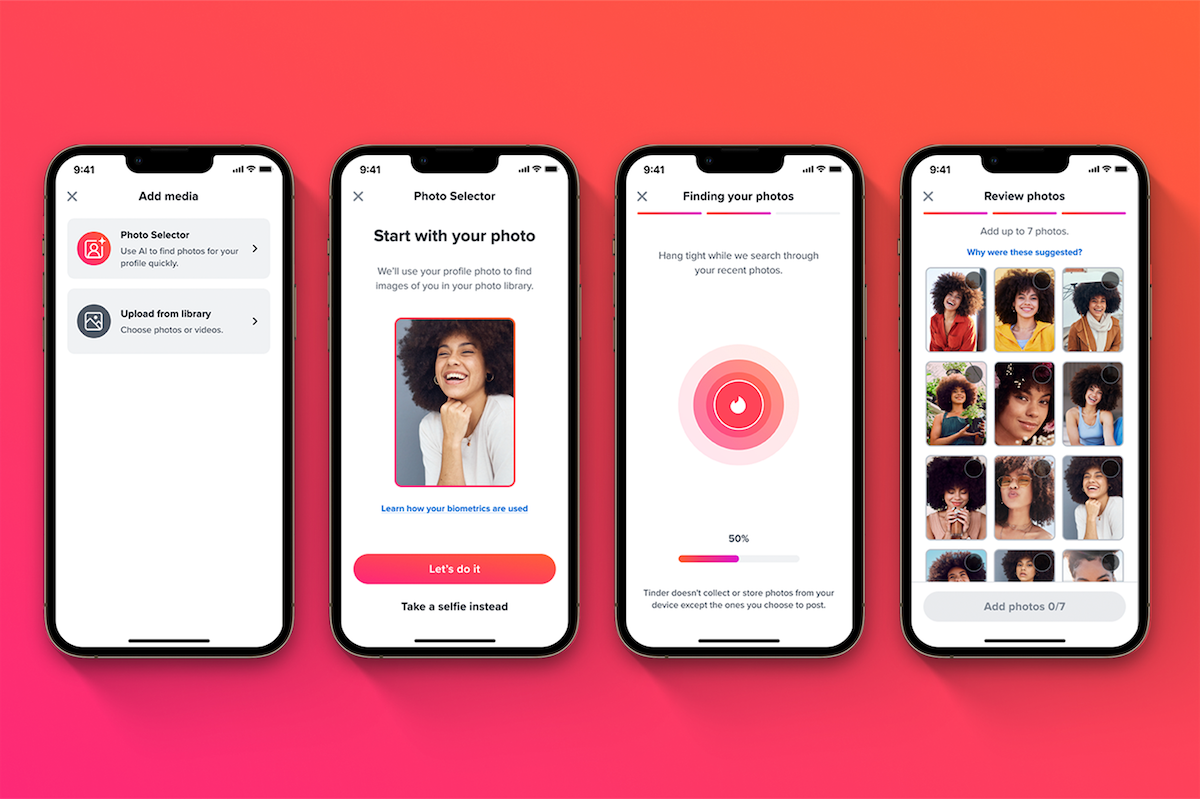
The company says new AI-powered tools are designed to reduce endless swiping, surface more relevant matches, and help users move from passive browsing to meaningful conversations—at a time when many daters say the apps feel more exhausting than exciting.
Swipe fatigue has become a structural problem
Swipe fatigue is no longer anecdotal. Across the dating industry, users report spending more time scrolling profiles while seeing diminishing returns in quality matches and real-world connections.
This has created a paradox for platforms like Tinder: engagement remains high in terms of time spent, but satisfaction and long-term retention are increasingly fragile.
Industry analysts say the swipe mechanic—once revolutionary—has become a victim of its own success, encouraging quantity over quality and leaving users overwhelmed by choice.
How AI is changing Tinder’s approach
Tinder’s new AI-driven features focus on intent and relevance rather than volume. Instead of encouraging unlimited swiping, the platform is experimenting with systems that:
- Prioritize profiles users are more likely to engage with
- Suggest conversation prompts based on shared interests
- Surface fewer but higher-quality matches
AI models analyze user behavior, preferences, and interaction patterns to predict compatibility more accurately than traditional filters alone.
The shift represents a move away from purely user-driven discovery toward algorithmic curation—a model already familiar from streaming and social platforms.
From gamification to guidance
Early dating apps leaned heavily into gamification, turning matching into a dopamine-driven loop. Tinder executives now acknowledge that this design can backfire over time.
AI is being positioned not as a replacement for choice, but as a guide that helps users navigate overwhelming options. Instead of asking users to evaluate hundreds of profiles, the app aims to do more of that cognitive work in the background.
The challenge is subtle: too much automation risks feeling manipulative, while too little fails to solve the problem.
Match quality over match quantity
One of the clearest signals of burnout is declining conversation depth. Users may match frequently but rarely move beyond a few messages.
AI-driven matchmaking aims to address this by:
- Pairing users with higher conversational compatibility
- Reducing repetitive or low-effort interactions
- Encouraging intentional engagement
Tinder has hinted that future updates could limit daily matches in favor of higher-confidence pairings, a controversial move that would fundamentally change how users experience the app.
Competition is forcing innovation
Tinder is not alone in rethinking its model. Rival dating apps are experimenting with:
- Personality-based matching
- AI-generated profile summaries
- Voice and video-first interactions
As competition intensifies, differentiation increasingly depends on outcomes, not downloads. Platforms that consistently help users form real connections are more likely to retain trust.
For Tinder, whose brand is deeply tied to swiping culture, AI offers a way to evolve without abandoning its core identity.
The risk of algorithmic dating
AI matchmaking raises its own concerns. Critics argue that opaque algorithms may reinforce biases, narrow user exposure, or optimize for engagement rather than well-being.
Tinder says it is mindful of these risks and is designing AI systems that:
- Preserve user agency
- Avoid overly rigid filtering
- Allow users to override recommendations
Transparency will be critical. Users are increasingly skeptical of platforms that make consequential decisions without clear explanation.
Dating apps and emotional fatigue
Burnout is not just about interface design—it’s emotional. Rejection, ghosting, and endless evaluation take a psychological toll.
By reducing exposure to low-probability matches and encouraging more intentional interactions, Tinder hopes AI can make dating feel less transactional and more human, despite being mediated by algorithms.
Whether technology can meaningfully address the emotional side of dating remains an open question.
A broader shift in consumer apps
Tinder’s AI push reflects a larger trend across consumer technology: moving from infinite choice toward curated experiences.
Just as streaming platforms no longer ask users to browse entire catalogs, dating apps are rethinking whether unlimited options actually serve users’ interests.
AI is becoming the mechanism through which platforms attempt to balance engagement, satisfaction, and long-term trust.
What comes next
Tinder has signaled that AI will play an expanding role across profile creation, discovery, and messaging. The company is expected to roll out features gradually, testing user response before broader deployment.
For an industry built on novelty and volume, the shift toward restraint and relevance marks a significant inflection point.
If successful, Tinder’s AI strategy could redefine how digital dating works—moving away from endless swiping and toward fewer, better connections.



