
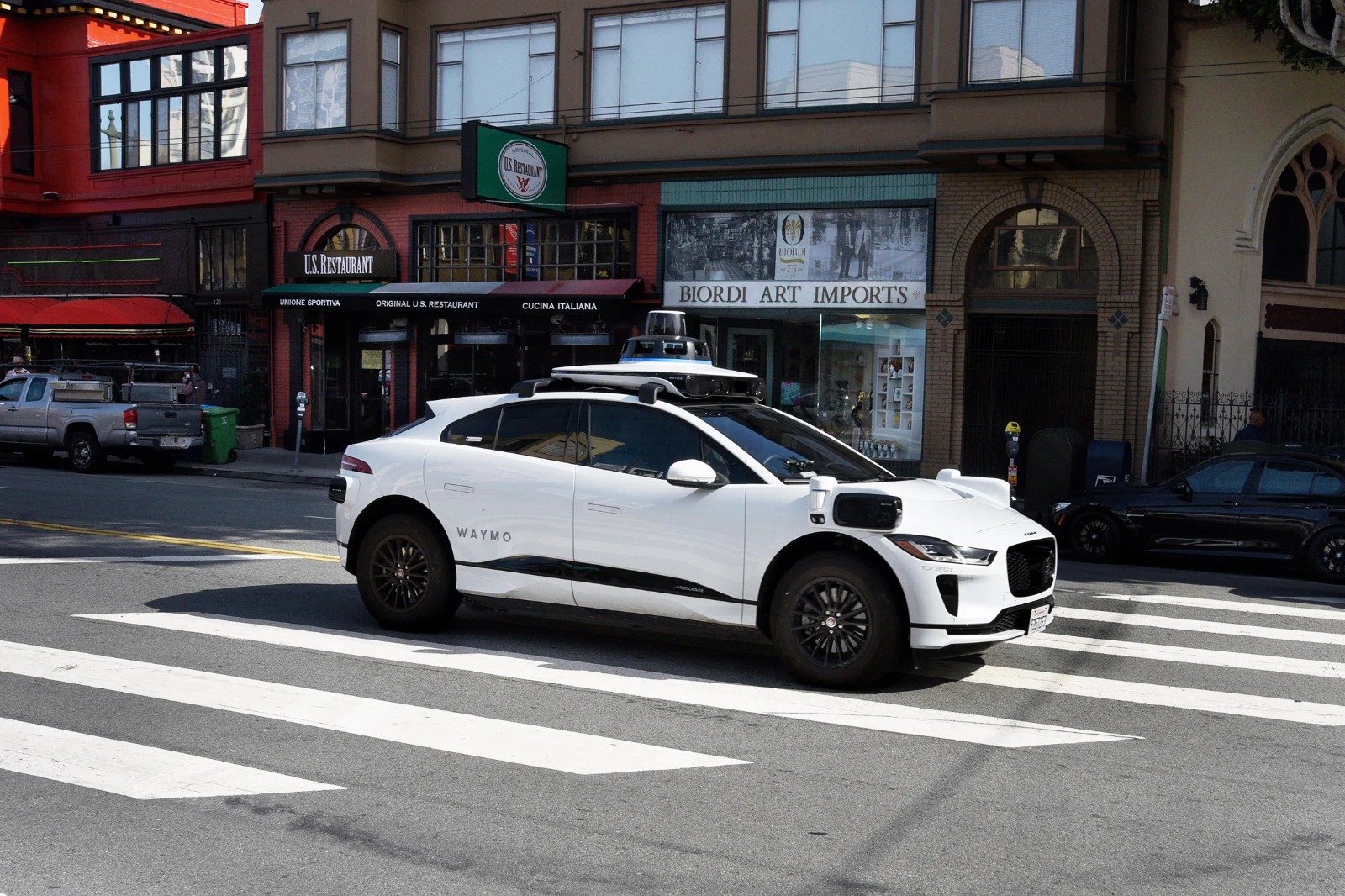
Uber plans to roll out robotaxi services in Hong Kong and parts of Europe, expanding its autonomous vehicle strategy beyond the US through partnerships with self-driving technology providers.
Uber is preparing to launch robotaxi services in Hong Kong and select European markets, marking its most ambitious international expansion yet in autonomous ride-hailing.
The move signals growing confidence that self-driving technology is approaching commercial viability in dense urban environments outside the United States, while also highlighting Uber’s determination to remain central to the future of mobility—even if humans are no longer behind the wheel.
Expanding beyond the US testbed
Until now, Uber’s autonomous ambitions have been largely concentrated in the US, where regulatory frameworks, road infrastructure, and partner ecosystems are comparatively mature.
The planned launches in Hong Kong and Europe represent a strategic shift:
- Hong Kong offers a dense, tech-forward urban environment with high public transport usage
- European cities provide regulatory complexity but strong demand for sustainable mobility
Together, they allow Uber to test autonomy across diverse traffic patterns, legal regimes, and consumer behaviours.
Partnership-led autonomy strategy

Uber has deliberately avoided developing its own self-driving hardware or software, choosing instead to partner with specialised autonomous vehicle (AV) companies.
This asset-light model allows Uber to:
- Reduce capital intensity
- Avoid long R&D cycles
- Swap or scale partners as technology evolves
In Hong Kong and Europe, Uber is expected to follow the same approach, integrating robotaxi fleets operated by third-party AV providers into its platform.
Why Hong Kong matters
Hong Kong presents a unique proving ground for robotaxis. Its compact geography, advanced digital infrastructure, and high ride-hailing penetration make it attractive for early deployment.
At the same time, the city’s complex road conditions—tight streets, heavy traffic, and mixed-use transport—pose a stringent test for autonomous systems.
A successful rollout in Hong Kong would strengthen Uber’s case that robotaxis can function reliably in some of the world’s most challenging urban environments.
Europe: opportunity and friction
Europe offers scale, but also friction. Regulations vary significantly across countries, with strict safety, data, and labour requirements.
Uber’s robotaxi rollout in Europe is expected to begin in limited pilot zones, working closely with city authorities and transport regulators.
While progress may be slower than in the US, Europe’s emphasis on sustainability and reduced car ownership aligns with long-term autonomous mobility goals.
Economics of robotaxis

Uber has long argued that robotaxis could dramatically improve the economics of ride-hailing by removing driver costs, which account for a significant portion of trip expenses.
However, the near-term reality is more complex:
- Autonomous vehicles remain expensive to deploy
- Maintenance and monitoring costs are high
- Insurance and liability frameworks are still evolving
As a result, initial robotaxi services are unlikely to be cheaper than human-driven rides, but Uber believes scale and technological improvement will eventually change that equation.
Competitive pressure intensifies
Uber’s international push comes as rivals also accelerate autonomous deployments.
Several AV companies are expanding pilot programs globally, while traditional automakers and mobility firms are exploring self-driving partnerships of their own.
By extending robotaxis to Hong Kong and Europe early, Uber aims to:
- Lock in platform dominance
- Build regulatory relationships
- Accumulate operational data across markets
This first-mover advantage could prove critical if autonomy reaches mass adoption later in the decade.
Public trust remains a hurdle
Despite technological advances, public trust in autonomous vehicles remains uneven, particularly outside the US.
Uber’s strategy relies heavily on gradual introduction:
- Limited service areas
- Clear safety communication
- Human oversight during early phases
Winning consumer confidence will be just as important as regulatory approval.
Implications for drivers and cities
The expansion of robotaxis inevitably raises questions about the future of human drivers on Uber’s platform.
While the company insists autonomy will coexist with human-driven rides for years, city authorities and labour groups are closely watching how deployments affect employment and urban transport systems.
In Europe especially, labour considerations could influence the pace and scope of rollout.
A long-term bet on platform relevance
Uber’s leadership has consistently framed autonomy as existential rather than optional. If self-driving technology becomes mainstream, ride-hailing platforms that fail to adapt risk being bypassed.
By expanding robotaxis internationally, Uber is positioning itself as the interface layer between users and autonomous fleets—regardless of who owns the vehicles.
What to watch next
Key questions surrounding Uber’s robotaxi expansion include:
- Which AV partners will power the Hong Kong and Europe launches
- How regulators respond across jurisdictions
- Whether consumers adopt robotaxis at scale
While challenges remain significant, Uber’s latest move makes one thing clear: the company intends to be a central player in autonomous mobility, not a bystander.



