Spotify is entering physical book sales and rolling out new audiobook features, expanding its role from audio streaming platform to multi-format media marketplace.
Spotify’s long-term strategy is increasingly about owning the relationship with audiences across formats, not just streaming music. Spotify is now venturing into physical book sales while adding new audiobook features, according to reporting by TechCrunch.
The move marks an unusual convergence of digital and physical media—and a sign that Spotify sees opportunity beyond purely digital consumption.
Why physical books, and why now
At first glance, physical book sales may seem out of step with Spotify’s digital-first identity. But the expansion aligns with a broader industry pattern: platforms are seeking higher-margin, diversified revenue streams that deepen user engagement.
Audiobooks have already become a strategic priority for the company, offering longer listening sessions and differentiated content compared with music streaming. Physical books extend that ecosystem, allowing Spotify to participate in the broader publishing value chain rather than just the listening layer.
For publishers and authors, it opens another distribution channel—one tied directly to audience discovery.
New audiobook features as a retention play
Alongside physical books, the company is adding features aimed at improving the audiobook experience. While details vary, the focus is on discovery, usability, and engagement—areas where audiobook adoption still lags behind music and podcasts.
Better tooling could help Spotify convert casual listeners into repeat audiobook consumers, strengthening a segment that competitors have also been eyeing aggressively.
The strategy reflects a familiar platform logic: once users are inside the ecosystem, offer more formats to keep them there.
Competitive and ecosystem implications
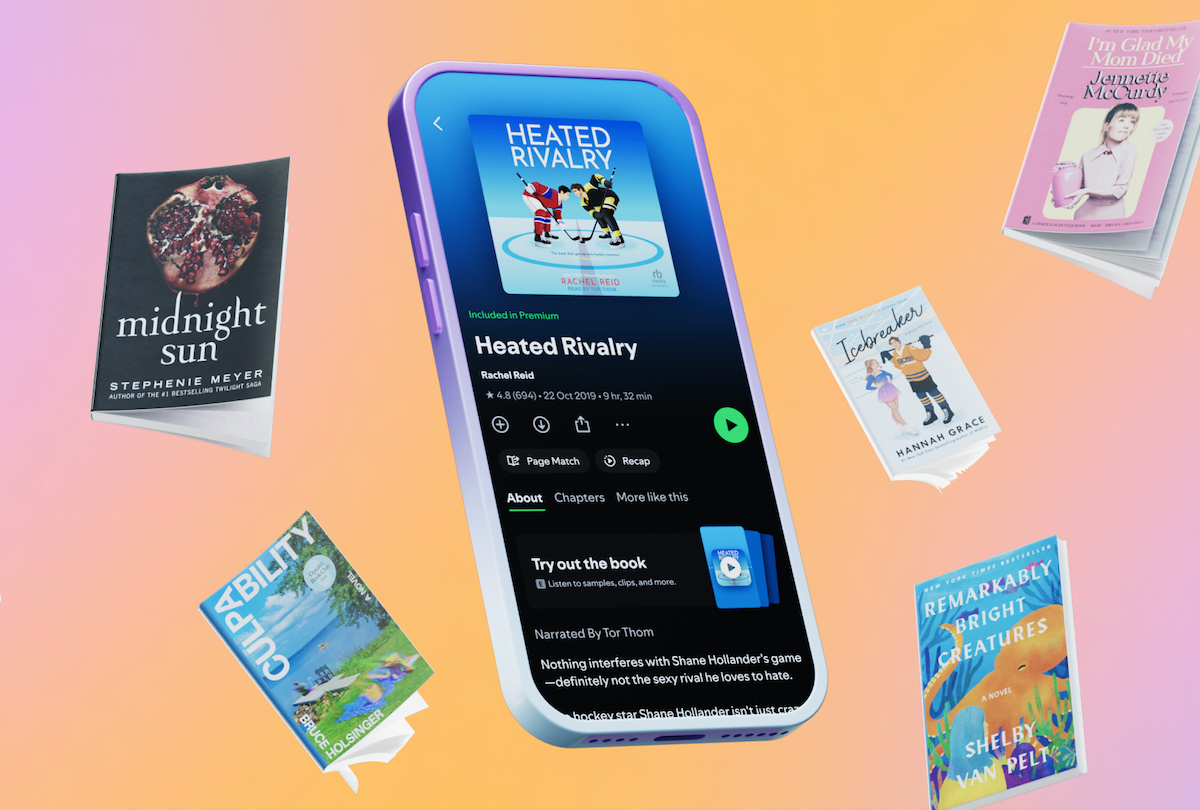
The company’s expansion places it in closer proximity to publishers, retailers, and other platforms that traditionally handled physical distribution. Managing those relationships—while avoiding channel conflict—will be delicate.
For the publishing industry, Spotify’s entry adds another powerful intermediary with global reach and sophisticated recommendation systems. That can be both an opportunity and a source of leverage imbalance.
For creators, especially authors, the appeal lies in exposure and integrated monetization—but also raises questions about dependency on yet another platform.
A broader signal about media platforms
Spotify’s move suggests that the boundaries between media formats are continuing to blur. Platforms that once specialized are evolving into multi-format marketplaces, bundling audio, text, and physical goods under one user relationship.
Whether physical books become a meaningful revenue driver remains to be seen. But strategically, the move reinforces Spotify’s ambition to be more than a streaming app—to become a central hub for how audiences discover and consume stories, in whatever form they prefer.