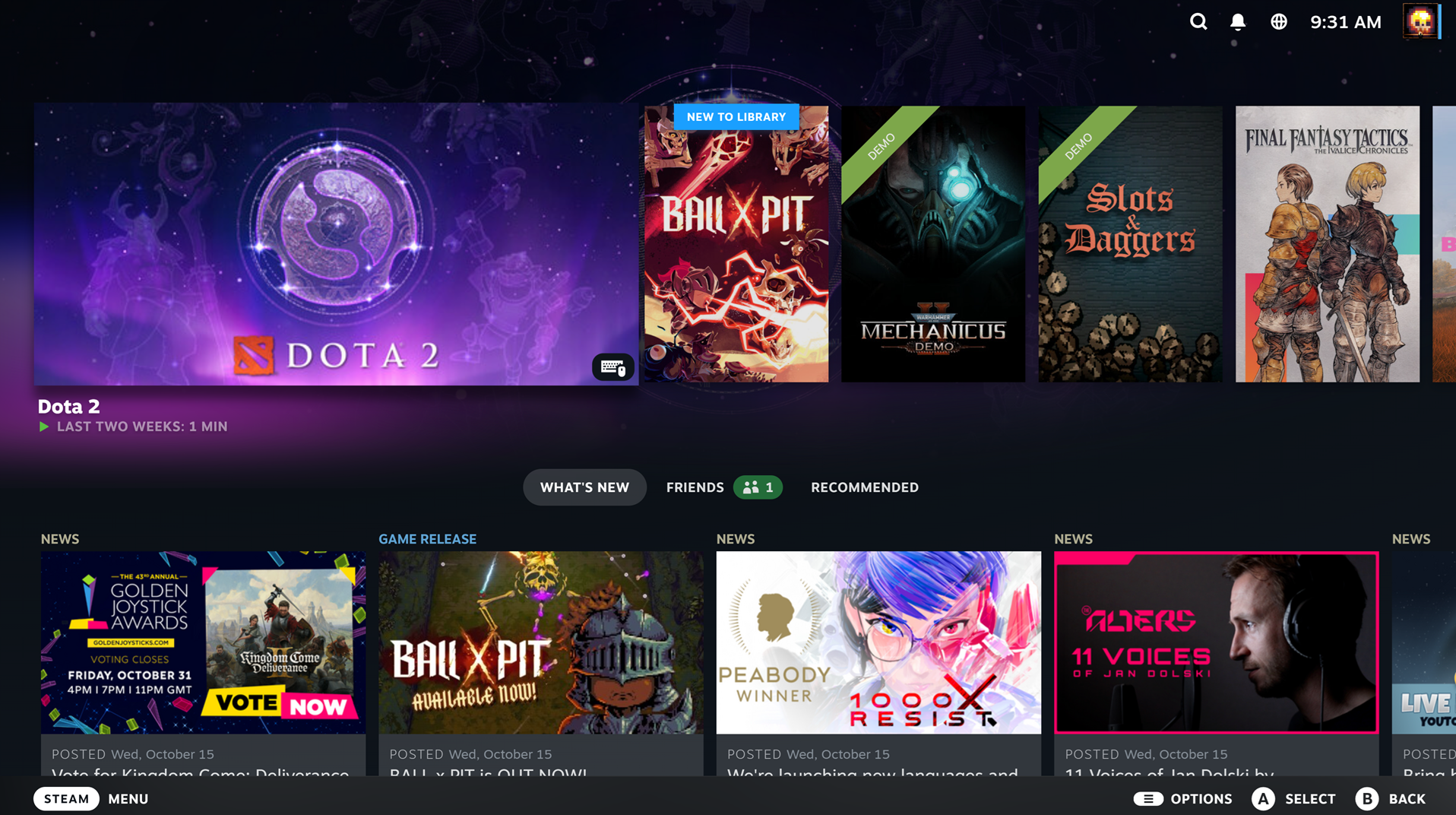
Valve is developing a new Steam Machine, pointing to a renewed effort to blend PC gaming flexibility with console-style simplicity.
A decade after its first attempt at living-room hardware, Valve is again exploring a new Steam Machine, according to reporting by Engadget. This time, the market—and Valve itself—looks very different.
The original Steam Machines struggled to gain traction, caught between the openness of PCs and the simplicity of consoles. But recent successes, particularly Valve’s handheld hardware, suggest the company has learned important lessons.
Why now makes sense for a comeback
The PC gaming ecosystem has changed dramatically. Digital distribution is dominant, performance per watt has improved, and gamers are increasingly comfortable with hybrid devices that blur traditional categories.
Valve’s control over the Steam platform gives it a unique advantage: it can optimize hardware, software, and storefront as a unified experience without locking developers into proprietary formats.
A new Steam Machine could appeal to players who want PC performance without the complexity of building or maintaining a traditional desktop.
Lessons from past and present hardware
Valve’s earlier Steam Machine initiative suffered from fragmented hardware designs and unclear messaging. In contrast, its more recent hardware efforts emphasized tight integration and user experience.
That shift suggests a new Steam Machine would likely be more standardized, with clearer performance targets and stronger software support from day one.
For developers, a stable hardware baseline tied closely to Steam could simplify optimization while preserving the openness of PC gaming.
Competitive pressure on consoles and PCs alike
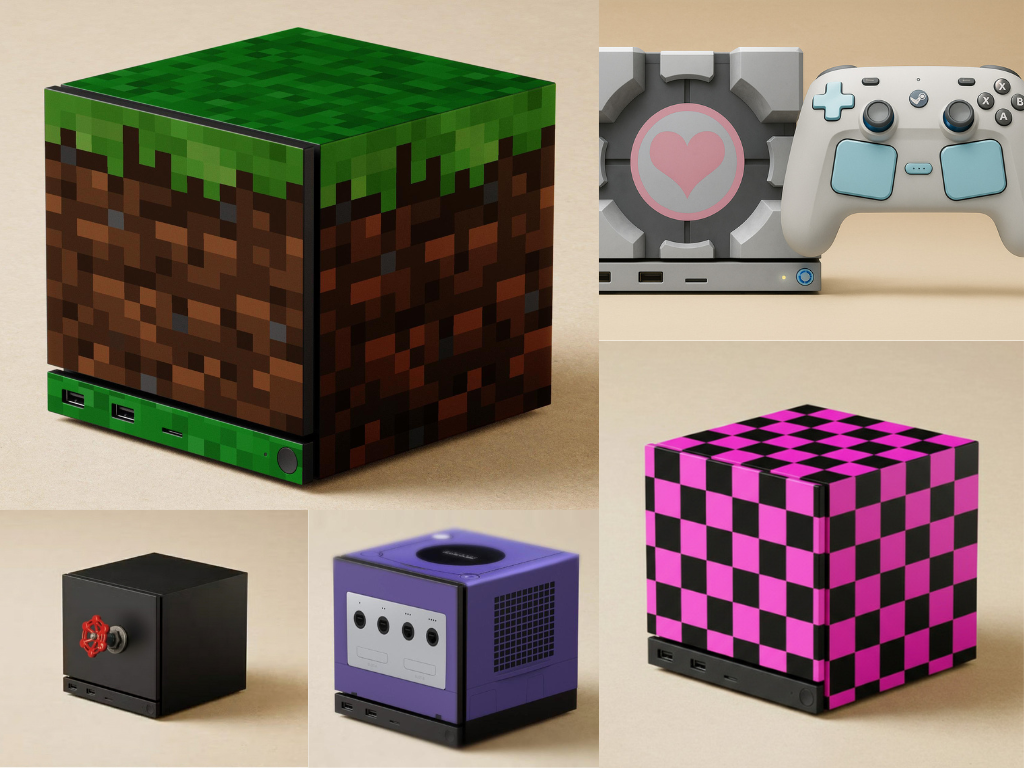
A successful Steam Machine would sit uncomfortably between established categories. For console makers, it represents competition from an ecosystem with decades of PC titles and aggressive sales pricing. For PC manufacturers, it introduces a first-party alternative backed by the world’s largest PC game marketplace.
The real differentiator may be flexibility: access to PC libraries, mods, and settings—paired with console-like ease of use.
A strategic bet on the living room
Valve’s renewed interest in Steam Machines signals confidence that PC gaming can expand beyond desks and into shared spaces without losing its identity.
Whether the device becomes a mainstream hit remains uncertain. But strategically, it reinforces Valve’s long-term goal: making Steam not just a store, but the default operating environment for gaming across form factors.
If that vision holds, the new Steam Machine may be less about reviving an old idea—and more about finishing it.