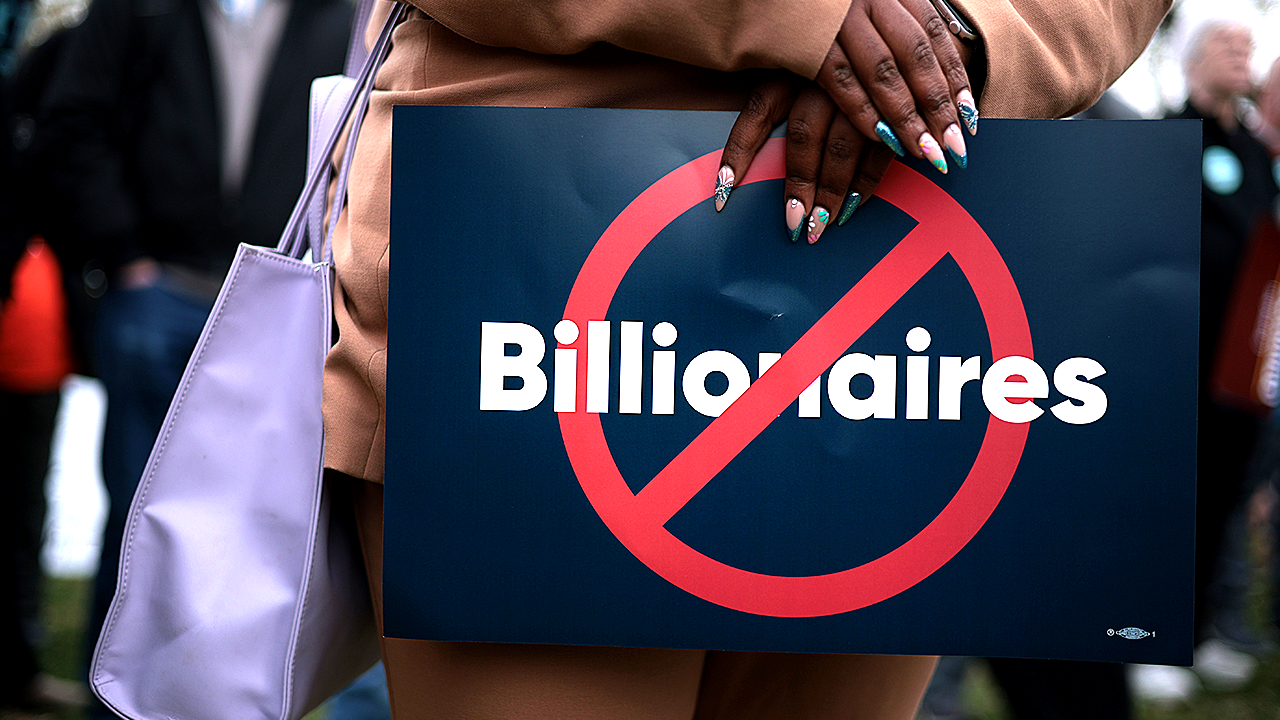
An Artificial Intelligence startup founder says he plans to organize a march for billionaires to protest California’s proposed wealth tax, highlighting Silicon Valley’s uneasy relationship with state policy.
In an industry that has long preferred quiet lobbying to public protest, the announcement stood out.
An artificial intelligence startup founder said this week that he is planning a public march—framed explicitly as a protest by and for billionaires—against California’s proposed wealth tax. The event, he said, is intended to draw attention to what he views as punitive treatment of high-net-worth individuals who fuel innovation.
The response has been swift, polarized, and deeply revealing.
A rhetorical gamble
California’s wealth tax proposal has already provoked intense debate, particularly among tech executives who argue it could accelerate capital and talent flight from the state.
What is unusual is the choice of protest framing. Marches are traditionally associated with marginalized groups seeking redress, not the ultra-wealthy opposing higher taxes.
By leaning into that contrast, the founder appears to be betting that provocation will generate attention—and perhaps sympathy—by reframing billionaires as a misunderstood class.
Reflecting Silicon Valley’s identity crisis
The announcement lands at a moment when Silicon Valley’s public image is unsettled. Once seen primarily as an engine of growth and opportunity, the tech sector is increasingly associated with inequality, market concentration, and political influence.
Against that backdrop, overtly defending billionaire interests risks reinforcing negative stereotypes, even among people who might otherwise oppose the tax on economic grounds.
Some investors and founders have privately expressed concern that the protest could undermine more serious policy arguments by making them easier to dismiss.
Policy debate meets culture war

Supporters of the wealth tax argue it is a response to structural inequality and budget pressures. Opponents counter that it targets illiquid assets, discourages entrepreneurship, and could backfire economically.
The planned march does little to resolve those questions. Instead, it shifts the debate into cultural territory—pitting populist sentiment against elite self-advocacy.
That may generate headlines, but it also hardens positions.
A sign of changing tech politics
Whether the march materializes or not, the episode signals a broader shift. Tech leaders are becoming more visible—and more polarizing—in public policy debates.
As regulatory scrutiny increases around artificial intelligence, labor, and taxation, the industry’s instinct to stay above the fray is fading.
The question is not whether tech will be political, but how. And in this case, the choice to protest as a billionaire may say as much about Silicon Valley’s mood as it does about California’s tax policy.