
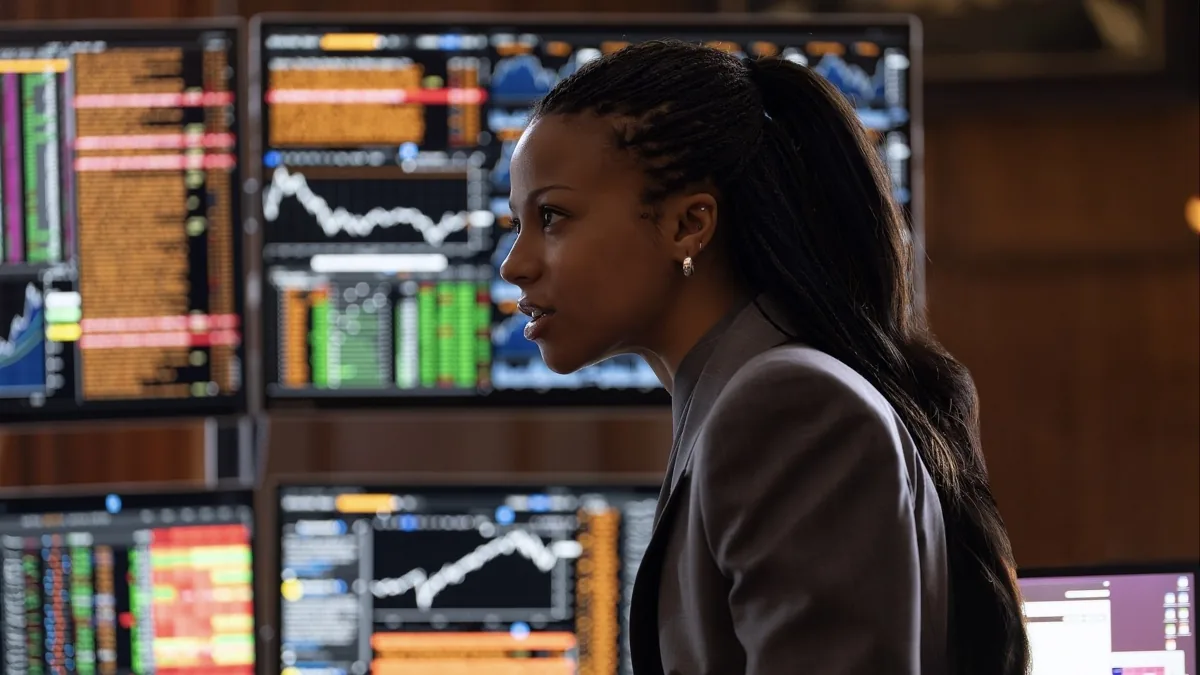
Season four of Industry portrays tech fraud as a cultural and structural failure rather than a single bad actor problem, reflecting how modern scams operate in real markets.
Fraud in the tech world is often framed as a surprise—a shocking betrayal of trust by a founder who seemed legitimate until they weren’t.
Season four of Industry rejects that framing entirely.
Instead of treating deception as an anomaly, the show presents tech fraud as an emergent property of incentives: abundant capital, weak oversight, performative storytelling, and institutions more afraid of missing out than being wrong. In doing so, it captures something many real-world investigations only reveal after the damage is done.
Fraud without villains in capes
What distinguishes Industry’s latest season is its refusal to caricature fraudsters. Characters are not depicted as masterminds or psychopaths, but as operators responding rationally to a system that rewards confidence over verification.
That mirrors how many real tech scandals unfold. Inflated metrics, vague claims about proprietary technology, and aggressive fundraising are often tolerated—or encouraged—until they collapse under scrutiny. The show’s traders, founders, and financiers all play roles in sustaining that illusion.
Fraud, here, is collective.
The startup aesthetic as camouflage

Season four leans heavily into the visual and cultural language of modern tech: sleek decks, wellness rhetoric, ethical branding, and jargon-heavy explanations that sound meaningful while saying little.
This aesthetic functions as cover. By adopting the surface signals of legitimacy, questionable ventures pass through gatekeepers who lack either the technical expertise or the incentive to interrogate claims too closely.
The show’s depiction aligns closely with how fraud has played out across real startup ecosystems, where due diligence often compresses under competitive pressure.
A commentary on venture power
Unlike traditional financial dramas, Industry places venture capital and private markets at the center of the moral hazard. Deals happen quickly, information is asymmetric, and accountability is diffuse.
When public markets and regulators finally enter the picture, it is usually too late.
The series suggests that tech fraud persists not because no one sees the risk, but because acknowledging it would slow the machine. That is an uncomfortable conclusion—especially for an industry built on speed.
Why the timing resonates
The season arrives after years of high-profile tech scandals, from crypto collapses to overstated AI capabilities. Audiences are more literate now in the mechanics of hype and deception.
Industry benefits from that context. It does not need to explain why fraud works; it assumes viewers already know—and builds from there.
In a media landscape that often reduces tech failure to morality tales, the show offers something rarer: a systemic diagnosis.



