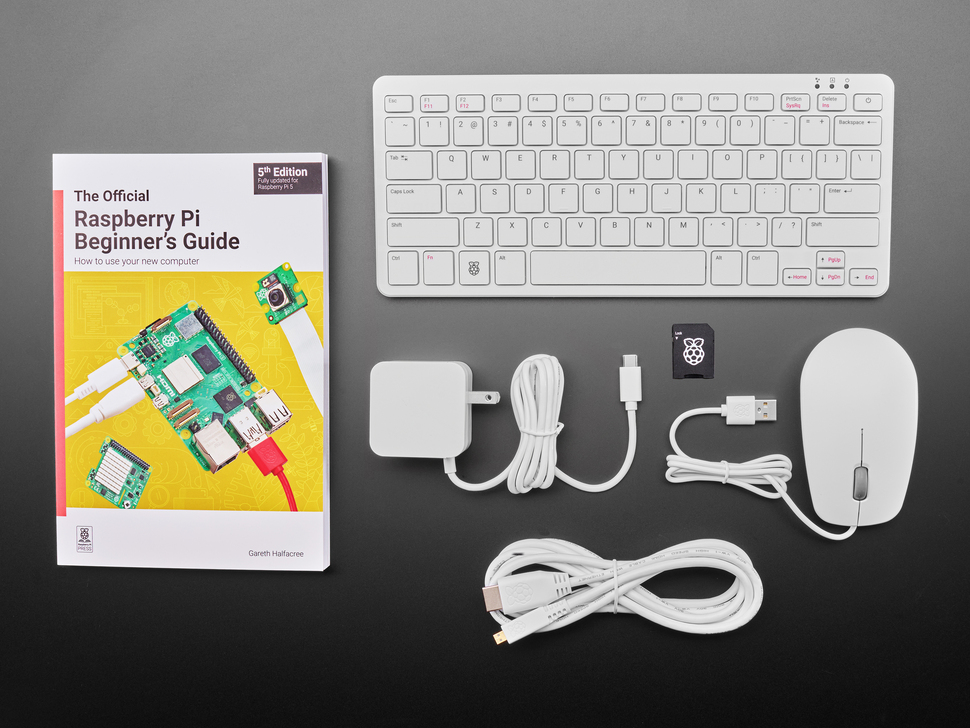
A Raspberry Pi 500+ revival channels the spirit of the BBC Micro

Share via:

A custom Raspberry Pi 500+ build, finished with little more than ingenuity and spray paint, revives the educational ethos of the BBC Micro for a modern era.

Before personal computers became sealed appliances, they were invitations to explore.

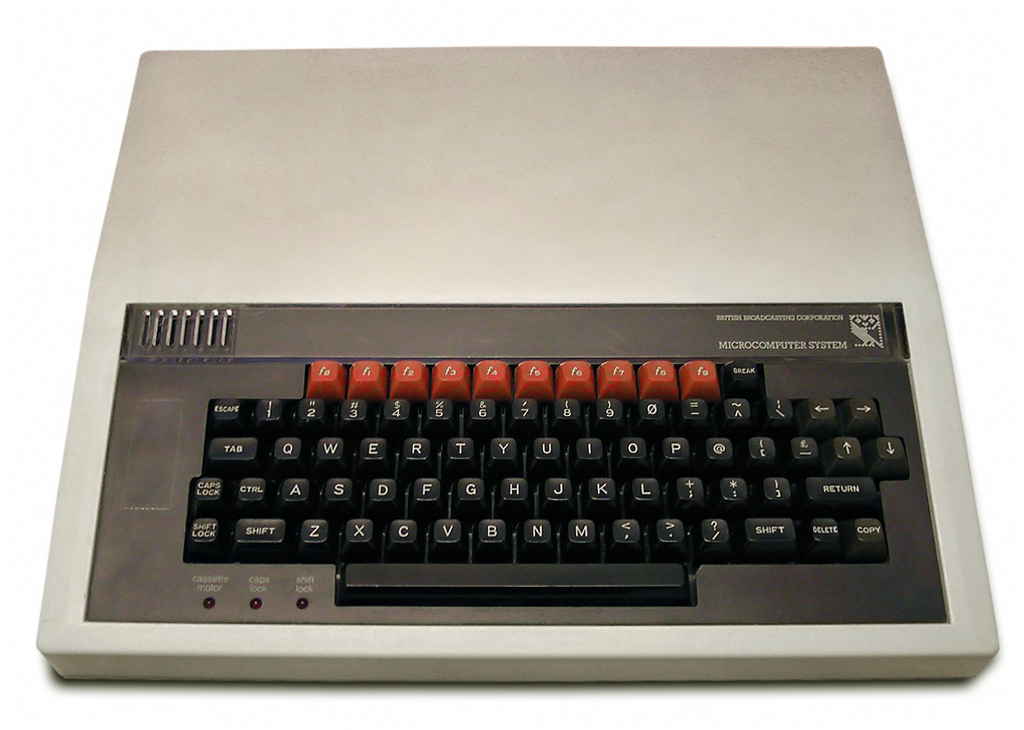
That ethos defined the BBC Micro, a machine that helped teach a generation how computers actually worked. Four decades later, a homebrew project built around the Raspberry Pi 500+ is tapping into that same philosophy—this time with modern silicon and a distinctly DIY finish.

The result is less about performance benchmarks and more about mindset.

Why the BBC Micro still matters

The BBC Micro was never the cheapest or flashiest machine of its time. Its influence came from intent. Designed as part of a national effort to improve computer literacy, it encouraged users to open it up, write code, and understand the relationship between hardware and software.

That approach stands in contrast to today’s devices, which often hide complexity behind locked-down ecosystems.

The Raspberry Pi 500+ project borrows the BBC Micro’s keyboard-centric form factor and educational ambition, updating it for an era where curiosity has to fight for attention.

A modern machine with old-school values
https://upload.wikimedia.org/wikipedia/commons/3/32/BBC_Micro_Front_Restored.jpg

At its core, the Raspberry Pi 500+ is a compact Linux computer built into a keyboard. It supports modern programming languages, emulation, networking, and media playback—all far beyond what 1980s hardware could offer.

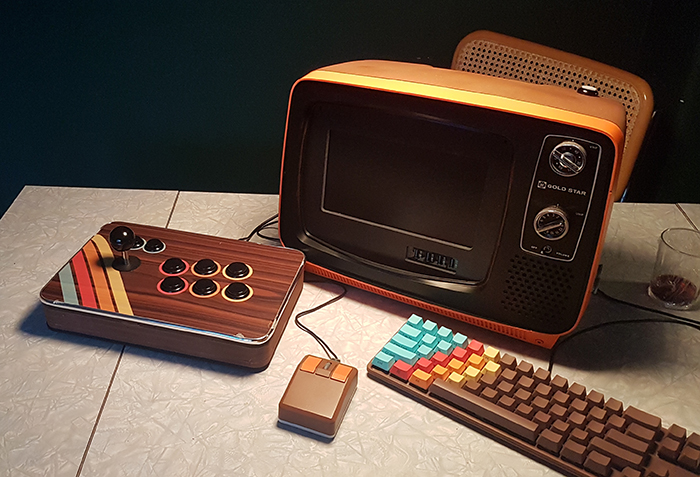
But what makes the project resonate is its deliberate roughness. A hand-painted case and visible modification marks emphasize ownership over polish. This is a computer meant to be used, altered, and understood—not admired from a distance.

That aesthetic choice echoes a time when computers felt personal by default.

Education through tinkering

For educators and hobbyists, projects like this serve a practical purpose. They lower the barrier to experimentation, especially for younger users accustomed to tablets and phones.

By making the computer itself the object of curiosity, the Pi 500+ build reinforces the idea that learning happens through doing—writing code, breaking things, fixing them, and trying again.

It is a reminder that powerful educational tools do not always need to be sleek or expensive.

Retro, but not regressive

Nostalgia alone does not explain the appeal. The BBC Micro’s legacy is not about recreating the past, but about reclaiming agency in computing.

In that sense, the Pi 500+ project is quietly contemporary. It reflects a growing desire among technologists to reconnect with systems they can fully control and understand.

Sometimes, all it takes is a small board, a keyboard, and a can of spray paint.
https://retropie.org.uk/forum/assets/uploads/files/1506255249364-retropc.jpg
Disclaimer

We strive to uphold the highest ethical standards in all of our reporting and coverage. We StartupNews.fyi want to be transparent with our readers about any potential conflicts of interest that may arise in our work. It’s possible that some of the investors we feature may have connections to other businesses, including competitors or companies we write about. However, we want to assure our readers that this will not have any impact on the integrity or impartiality of our reporting. We are committed to delivering accurate, unbiased news and information to our audience, and we will continue to uphold our ethics and principles in all of our work. Thank you for your trust and support.

Sreejit
Sreejit Kumar is a media and communications professional with over two years of experience across digital publishing, social media marketing, and content management. With a background in journalism and advertising, he focuses on crafting and managing multi-platform news content that drives audience engagement and measurable growth.

Popular

More Like this

A Raspberry Pi 500+ revival channels the spirit of the BBC Micro

A custom Raspberry Pi 500+ build, finished with little more than ingenuity and spray paint, revives the educational ethos of the BBC Micro for a modern era.

Before personal computers became sealed appliances, they were invitations to explore.

That ethos defined the BBC Micro, a machine that helped teach a generation how computers actually worked. Four decades later, a homebrew project built around the Raspberry Pi 500+ is tapping into that same philosophy—this time with modern silicon and a distinctly DIY finish.

The result is less about performance benchmarks and more about mindset.

Why the BBC Micro still matters

The BBC Micro was never the cheapest or flashiest machine of its time. Its influence came from intent. Designed as part of a national effort to improve computer literacy, it encouraged users to open it up, write code, and understand the relationship between hardware and software.

That approach stands in contrast to today’s devices, which often hide complexity behind locked-down ecosystems.

The Raspberry Pi 500+ project borrows the BBC Micro’s keyboard-centric form factor and educational ambition, updating it for an era where curiosity has to fight for attention.

A modern machine with old-school values

https://upload.wikimedia.org/wikipedia/commons/3/32/BBC_Micro_Front_Restored.jpg

At its core, the Raspberry Pi 500+ is a compact Linux computer built into a keyboard. It supports modern programming languages, emulation, networking, and media playback—all far beyond what 1980s hardware could offer.

But what makes the project resonate is its deliberate roughness. A hand-painted case and visible modification marks emphasize ownership over polish. This is a computer meant to be used, altered, and understood—not admired from a distance.

That aesthetic choice echoes a time when computers felt personal by default.

Education through tinkering

For educators and hobbyists, projects like this serve a practical purpose. They lower the barrier to experimentation, especially for younger users accustomed to tablets and phones.

By making the computer itself the object of curiosity, the Pi 500+ build reinforces the idea that learning happens through doing—writing code, breaking things, fixing them, and trying again.

It is a reminder that powerful educational tools do not always need to be sleek or expensive.

Retro, but not regressive

Nostalgia alone does not explain the appeal. The BBC Micro’s legacy is not about recreating the past, but about reclaiming agency in computing.

In that sense, the Pi 500+ project is quietly contemporary. It reflects a growing desire among technologists to reconnect with systems they can fully control and understand.

Sometimes, all it takes is a small board, a keyboard, and a can of spray paint.

https://retropie.org.uk/forum/assets/uploads/files/1506255249364-retropc.jpg
Disclaimer

We strive to uphold the highest ethical standards in all of our reporting and coverage. We StartupNews.fyi want to be transparent with our readers about any potential conflicts of interest that may arise in our work. It’s possible that some of the investors we feature may have connections to other businesses, including competitors or companies we write about. However, we want to assure our readers that this will not have any impact on the integrity or impartiality of our reporting. We are committed to delivering accurate, unbiased news and information to our audience, and we will continue to uphold our ethics and principles in all of our work. Thank you for your trust and support.

Website Upgradation is going on for any glitch kindly connect at office@startupnews.fyi

Sreejit
Sreejit Kumar is a media and communications professional with over two years of experience across digital publishing, social media marketing, and content management. With a background in journalism and advertising, he focuses on crafting and managing multi-platform news content that drives audience engagement and measurable growth.

More like this

Popular

iptv iptv iptv iptv iptv iptv iptv iptv iptv iptv iptv iptv iptv iptv iptv iptv iptv iptv iptv iptv iptv iptv iptv iptv melhor iptv portugal lista melhor iptv portugal lista melhor iptv portugal lista melhor iptv portugal lista melhor iptv portugal lista melhor iptv portugal lista melhor iptv portugal lista melhor iptv portugal lista melhor iptv portugal lista melhor iptv portugal lista melhor iptv portugal lista melhor iptv portugal lista melhor iptv portugal lista melhor iptv portugal lista melhor iptv portugal lista melhor iptv portugal lista melhor iptv portugal lista melhor iptv portugal lista melhor iptv portugal lista melhor iptv portugal lista melhor iptv portugal lista melhor iptv portugal lista melhor iptv portugal lista melhor iptv portugal lista melhor iptv portugal lista melhor iptv portugal lista melhor iptv portugal lista melhor iptv portugal lista melhor iptv portugal lista melhor iptv portugal lista melhor iptv portugal lista melhor iptv portugal lista melhor iptv portugal lista melhor iptv portugal lista melhor iptv portugal lista melhor iptv portugal lista melhor iptv portugal lista melhor iptv portugal lista melhor iptv portugal lista melhor iptv portugal lista melhor iptv portugal lista melhor iptv portugal lista melhor iptv portugal lista melhor iptv portugal lista melhor iptv portugal lista melhor iptv portugal lista melhor iptv portugal lista melhor iptv portugal lista melhor iptv portugal lista melhor iptv portugal lista melhor iptv portugal lista melhor iptv portugal lista melhor iptv portugal lista melhor iptv portugal lista melhor iptv portugal lista melhor iptv portugal lista melhor iptv portugal lista melhor iptv portugal lista melhor iptv portugal lista melhor iptv portugal lista melhor iptv portugal lista melhor iptv portugal lista melhor iptv portugal lista melhor iptv portugal lista melhor iptv portugal lista melhor iptv portugal lista best iptv best iptv best iptv best iptv best iptv best iptv best iptv best iptv best iptv best iptv best iptv best iptv best iptv best iptv best iptv best iptv best iptv best iptv best iptv best iptv best iptv best iptv best iptv best iptv best iptv best iptv best iptv best iptv best iptv best iptv best iptv best iptv best iptv best iptv best iptv best iptv best iptv best iptv best iptv best iptv best iptv best iptv best iptv best iptv best iptv best iptv best iptv best iptv best iptv best iptv best iptv best iptv best iptv best iptv best iptv best iptv best iptv best iptv best iptv best iptv best iptv best iptv best iptv best iptv best iptv best iptv best iptv best iptv best iptv best iptv best iptv best iptv best iptv best iptv best iptv best iptv best iptv best iptv best iptv best iptv best iptv best iptv best iptv best iptv best iptv best iptv best iptv best iptv best iptv best iptv best iptv best iptv best iptv best iptv best iptv best iptv best iptv best iptv best iptv best iptv best iptv best iptv best iptv best iptv best iptv best iptv best iptv best iptv best iptv best iptv best iptv best iptv best iptv best iptv best iptv best iptv best iptv best iptv best iptv best iptv best iptv best iptv best iptv best iptv best iptv best iptv best iptv best iptv best iptv best iptv best iptv best iptv best iptv best iptv best iptv best iptv best iptv best iptv best iptv best iptv best iptv best iptv best iptv best iptv best iptv best iptv best iptv best iptv best iptv best iptv best iptv best iptv best iptv best iptv best iptv best iptv best iptv best iptv best iptv best iptv best iptv best iptv best iptv best iptv best iptv best iptv best iptv best iptv best iptv best iptv best iptv best iptv best iptv best iptv best iptv best iptv best iptv best iptv best iptv best iptv best iptv best iptv best iptv best iptv best iptv best iptv best iptv best iptv best iptv best iptv best iptv best iptv best iptv best iptv best iptv best iptv best iptv best iptv best iptv iptv iptv iptv iptv iptv iptv iptv iptv iptv iptv iptv iptv iptv portugal iptv portugal iptv portugal iptv portugal iptv portugal iptv portugal iptv portugal iptv portugal iptv portugal iptv portugal iptv portugal iptv portugal iptv iptv iptv iptv iptv iptv iptv iptv iptv iptv iptv iptv

