

Spotify is updating its Developer Mode API to require Premium accounts and limit test users, signaling tighter control over how developers build and test integrations on the platform.
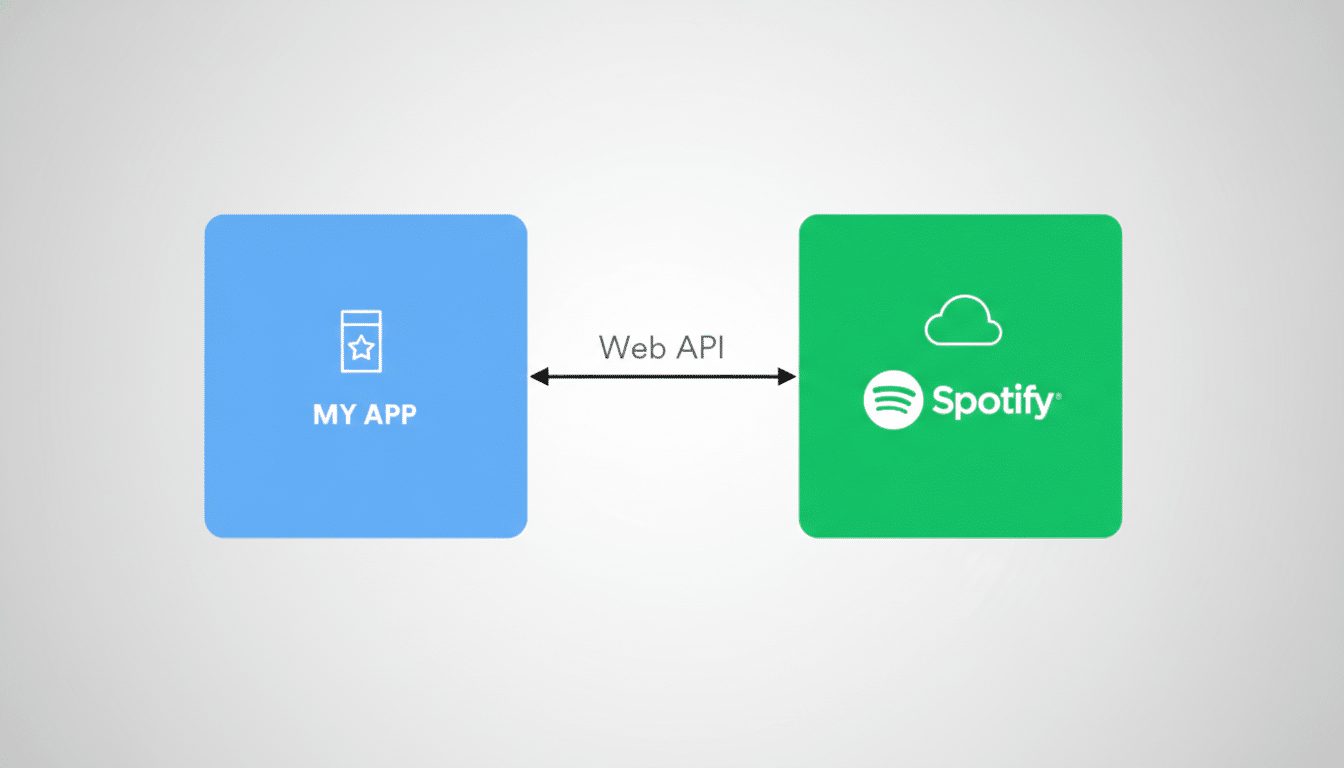
Spotify is drawing firmer boundaries around its platform. Spotify has announced changes to its Developer Mode API, requiring developers to hold Premium accounts and imposing stricter limits on test users, according to TechCrunch.
The move reshapes how third-party developers experiment with and deploy Spotify-connected apps—particularly hobbyist projects and early-stage startups that relied on broader free access.
What’s changing for developers
Under the updated rules, Developer Mode—used for building and testing Spotify integrations—will no longer be fully accessible via free accounts. Developers must now subscribe to Spotify Premium, and the number of test users allowed during development is being reduced.
The platform says the changes are intended to curb abuse, reduce strain on infrastructure, and ensure that API usage aligns more closely with real user behavior.
For developers, however, the shift introduces new friction at the earliest stages of experimentation.
Why Spotify is tightening control
The API update reflects a broader trend among major platforms: moving from open experimentation toward managed ecosystems. As the platform expands beyond music into podcasts, audiobooks, and commerce-adjacent features, controlling how external apps interact with its systems becomes more critical.
Requiring Premium accounts also aligns developer incentives with Spotify’s core business model. By tying access to paid subscriptions, Spotify reduces the gap between testing environments and production realities.
At the same time, it creates a financial threshold that may deter casual or exploratory projects.
Impact on startups and independent developers

For well-funded companies, the cost of Premium subscriptions is negligible. For students, indie developers, and early-stage startups, the change is more consequential.
Developer Mode has historically been a low-barrier entry point into Spotify’s ecosystem, enabling experimentation with playlists, recommendations, and playback controls. Limiting that access risks narrowing the diversity of tools and experiences built around the platform.
It also raises questions about long-term developer goodwill—an issue that other platform companies have grappled with after similar clampdowns.
A familiar platform calculus
The platform’s decision mirrors moves by other tech giants that have restricted APIs as platforms mature. Open access drives innovation early on; tighter governance follows once scale, monetization, and risk management take priority.
The API shift suggests confidence in its ecosystem’s maturity—but also a willingness to trade some openness for control.
The test will be whether developers adapt quietly—or whether frustration pushes innovation elsewhere.


