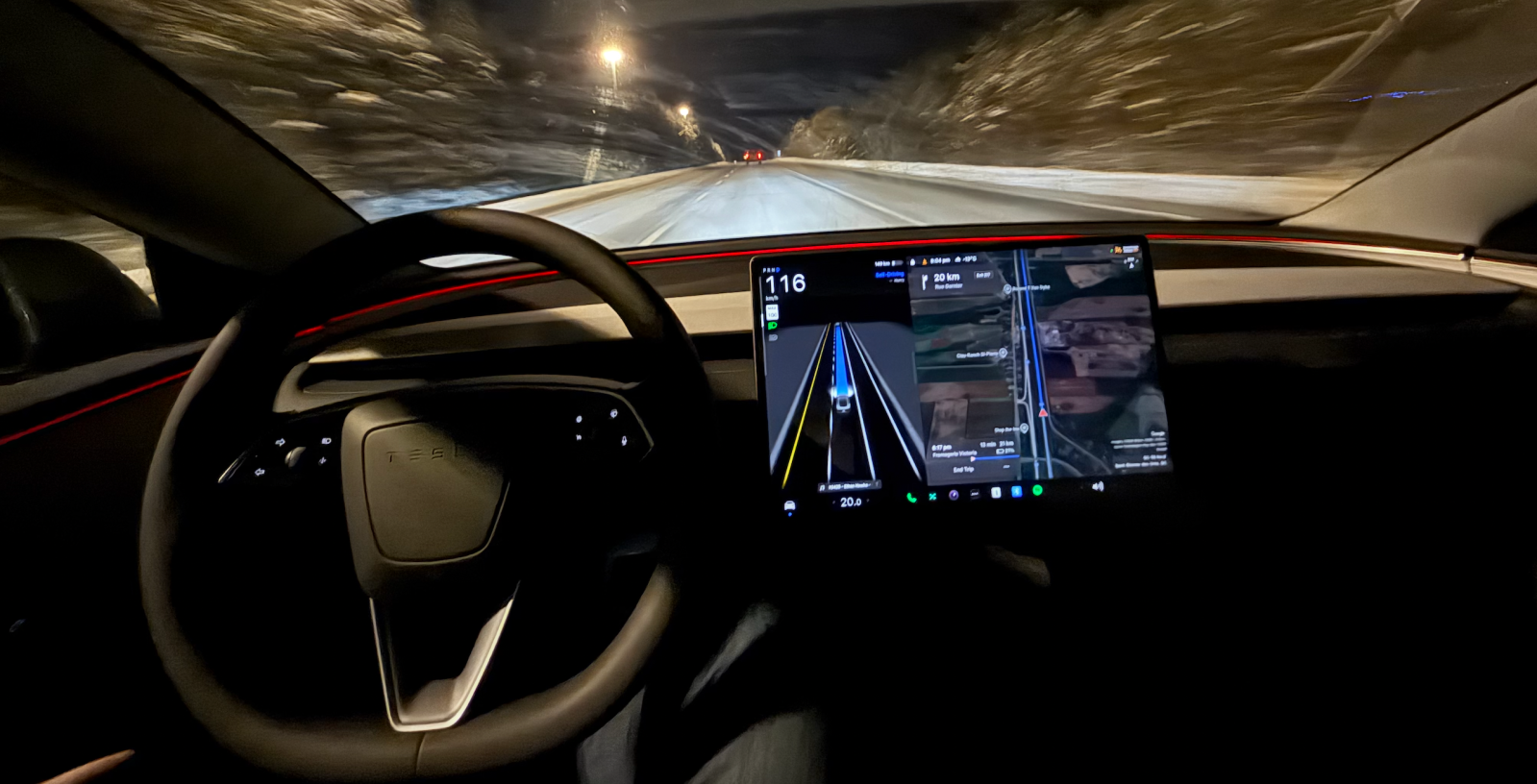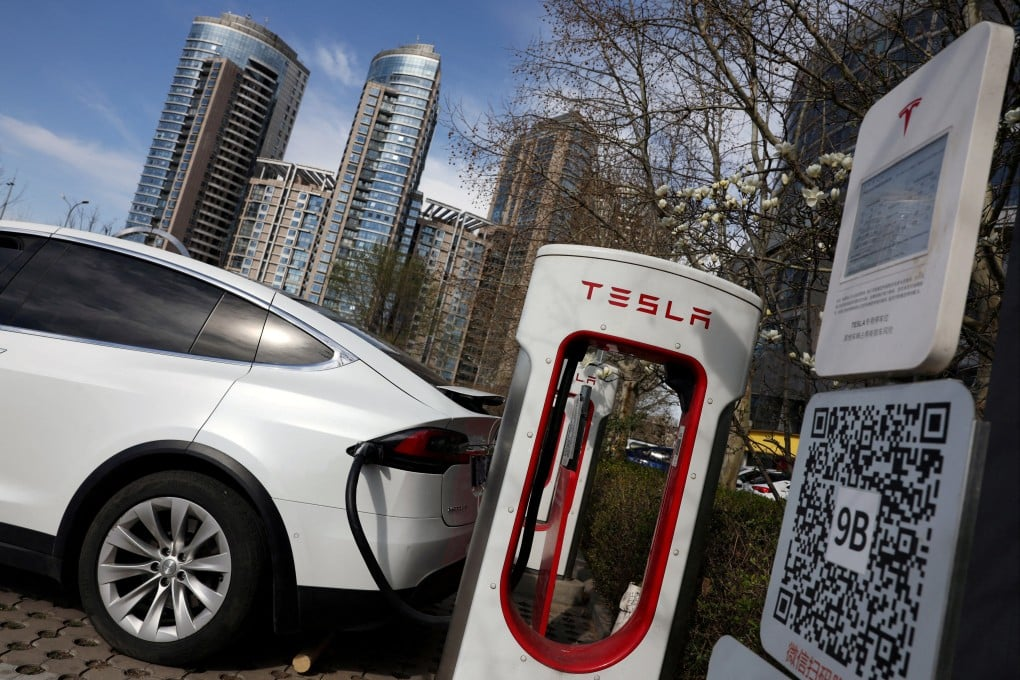
Tesla has launched a new artificial intelligence hub in China to accelerate development of its self-driving software, highlighting China’s growing importance to the company’s AI strategy.
Tesla’s ambitions in autonomous driving are becoming increasingly global—and increasingly centered on China.
This week, Tesla confirmed the launch of an artificial intelligence hub in China dedicated to improving its self-driving software. The initiative expands Tesla’s local research and engineering footprint at a time when software performance, not vehicle hardware, is emerging as the key competitive battleground in electric vehicles.
The move reflects both opportunity and necessity: China is Tesla’s second-largest market and one of the world’s most complex driving environments.
Why China matters for autonomy
Urban density, diverse road conditions, and aggressive driving patterns make Chinese cities a demanding testing ground for autonomous systems. For AI models trained on real-world data, exposure to that complexity can accelerate learning—if regulatory and data constraints can be managed.
By establishing a local AI hub, Tesla can more directly adapt its self-driving stack to Chinese roads, rather than relying solely on data and engineering resources based in the United States.
The approach also aligns with China’s broader push to localize advanced technology development, particularly in areas tied to data and artificial intelligence.
Balancing innovation and regulation
Autonomous driving remains tightly regulated in China, especially when it comes to data export and model training. Tesla has previously faced scrutiny over how vehicle data is collected and stored.
A localized AI operation allows the company to develop and refine software within regulatory boundaries, reducing friction with authorities while maintaining technical progress.
Still, the strategy carries risk. Geopolitical tensions and evolving AI governance rules could complicate long-term planning, particularly for a company whose core software architecture is global by design.
Competitive pressure is rising
The companyis no longer alone in treating software as the defining layer of the EV experience. Chinese automakers and technology companies are investing heavily in driver-assistance systems, often tailored specifically to domestic users.
In that context, Tesla’s AI hub is as much a defensive move as an offensive one—aimed at preserving differentiation in a market where hardware advantages are narrowing.
A broader signal
The launch underscores a larger shift in Tesla’s identity. Once defined primarily as a carmaker, the company is increasingly behaving like a distributed AI organization, placing talent and infrastructure where data is richest.
As self-driving timelines remain uncertain, one thing is clear: Tesla is betting that proximity to real-world complexity will matter more than centralized control.