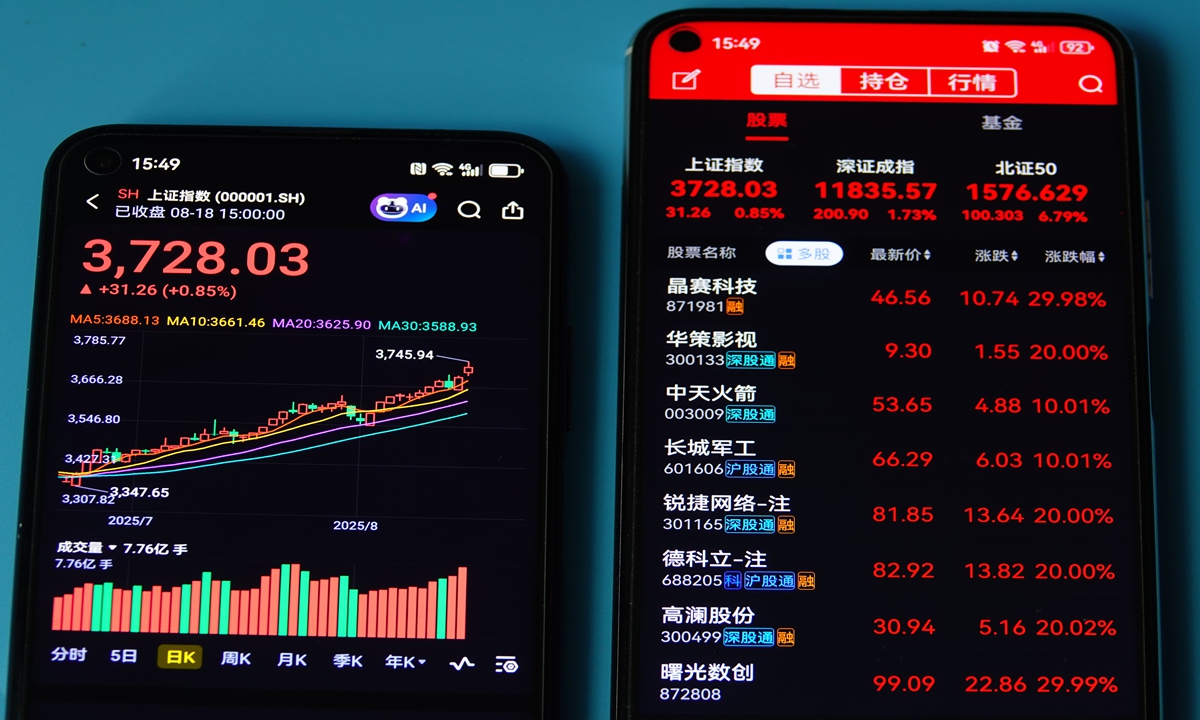
Chinese SaaS stocks are falling alongside global software names, as investors reassess how AI will reshape pricing power and profitability.
China’s software-as-a-service sector is feeling pressure from a sell-off that has little to do with domestic fundamentals—and a lot to do with artificial intelligence.
Shares of Chinese SaaS companies have declined in recent sessions, tracking a broader global retreat from software stocks. At the center of the reassessment is AI: not as a growth catalyst, but as a force that could compress margins and destabilize established business models.
AI changes the software math
For years, SaaS valuations rested on predictable revenue, high margins, and incremental growth. AI complicates that equation.
Building and running AI features is expensive, requiring heavy spending on compute, infrastructure, and talent. At the same time, customers increasingly expect AI capabilities to be bundled into existing products rather than sold at a premium.
That combination threatens the margin structure that once made SaaS so attractive.
China’s SaaS sector faces added constraints
Chinese SaaS firms already operate under tighter pricing power than many Western peers, serving cost-sensitive enterprises and competing in crowded domestic markets.
When global investors turn cautious on software as a category, Chinese names often feel the impact more sharply, reflecting lower liquidity and higher perceived risk.
The result is a pullback that mirrors global trends, even if company-level performance has not dramatically changed.
Not a China-only story
The sell-off is not isolated. Software stocks in the U.S. and Europe have also come under pressure as investors rethink how quickly AI-driven revenue can offset rising costs.
What makes the Chinese case notable is timing. The sector was already in a recovery phase after years of regulatory and macro headwinds. The global AI-driven repricing now threatens to stall that rebound.
Long-term opportunity, short-term pain
None of this implies that AI is negative for enterprise software in the long run. Over time, automation and intelligent tools could expand markets and increase customer value.
But markets are signaling impatience. They want evidence that AI investment can translate into defensible revenue, not just higher expenses.
For China’s SaaS sector, the message is clear: the next phase will be judged less on growth narratives and more on execution.
In a world where AI reshapes software economics, old assumptions are being tested everywhere—and Chinese stocks are not exempt.