
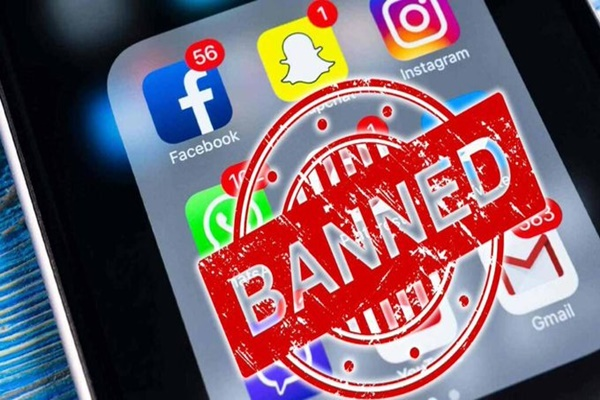
The Czech prime minister has backed a ban on social media use for children under 15, reflecting Europe’s increasingly interventionist approach to online child safety.
Europe’s debate over children and social media is moving from caution to constraint.
The Czech prime minister has publicly supported the idea of banning children under the age of 15 from using social media platforms, adding momentum to a growing policy movement across Europe that treats online exposure as a public health and safety issue rather than a matter of parental discretion alone.
While no legislation has yet been passed, the endorsement signals political alignment with tougher digital safeguards for minors.
From parental choice to state intervention
For years, European regulators focused on transparency, data protection, and content moderation. Recently, attention has shifted toward age-based access itself.
Supporters of an under-15 ban argue that algorithmic feeds, engagement-driven design, and social comparison can harm mental health during critical developmental years. They also contend that self-regulation by platforms has failed to prevent exposure to harmful content.
Opponents warn that outright bans raise enforcement challenges and risk pushing children toward less regulated corners of the internet.
Europe is converging on tougher rules

The Czech prime minister’s stance echoes discussions underway in several European countries, where policymakers are exploring stricter age verification, default limits, or outright prohibitions for younger users.
This approach fits into a broader regulatory trend: shifting responsibility from families and schools to platforms and, ultimately, the state.
Such measures would mark a significant departure from the laissez-faire internet model that shaped the early social media era.
Enforcement remains the hardest problem
Even proponents acknowledge that enforcing age-based bans is complex. Robust age verification often conflicts with privacy norms, while weaker systems are easily circumvented.
Any meaningful ban would likely require cooperation from platforms, app stores, and device makers—raising questions about feasibility and proportionality.
Still, political backing matters. Once senior leaders frame the issue as child protection rather than censorship, resistance tends to soften.
A signal to platforms
Even without immediate legislation, public support from national leaders sends a message to social media companies: voluntary measures may no longer be enough.
As Europe continues to redefine the boundaries of acceptable digital design for minors, the space for platforms to self-police is narrowing.
The Czech prime minister’s comments suggest that the next phase of regulation may focus less on how platforms operate—and more on who should be allowed to use them at all.



