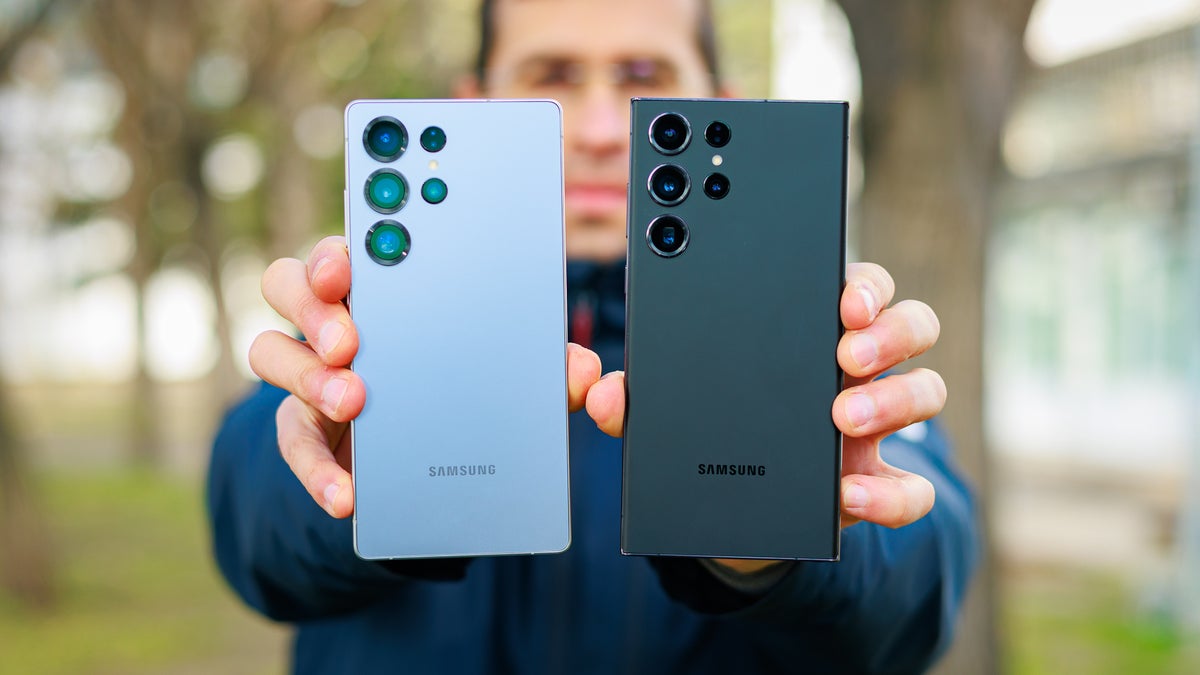
Comparing Samsung’s Galaxy S26 Ultra with the S23 Ultra highlights how flagship smartphones now advance through refinement rather than radical change.
Flagship smartphones no longer reinvent themselves every year. Samsung’s Ultra line makes that clear.
Looking at the Galaxy S26 Ultra alongside the Galaxy S23 Ultra reveals a pattern that now defines the premium phone market: steady, incremental evolution rather than dramatic leaps.
For consumers, that changes how upgrades are evaluated.
Where the differences actually lie
On paper, the newer Ultra model benefits from advances in processing efficiency, camera tuning, and display optimization. These improvements are real, but subtle.
Photography gains tend to come from software refinement as much as hardware changes. Performance improvements are more noticeable in benchmarks than in everyday use. Battery life benefits from efficiency gains rather than larger cells.
For most users, the experience gap between generations is narrower than marketing suggests.
Why Samsung Galaxy is iterating, not reinventing
The smartphone market has matured. Core problems—screen quality, performance, connectivity—are largely solved at the high end.
That leaves manufacturers optimizing around edges: AI features, camera consistency, long-term support, and ecosystem integration.
Samsung’s Galaxy Ultra line has become less about experimentation and more about reliability—delivering a predictable, premium experience year after year.
The upgrade calculus shifts
For owners of older devices, the jump to a current Ultra still makes sense. For those with relatively recent models like the S23 Ultra, the value proposition is less clear.
That reality is not unique to Samsung. Across the industry, upgrade cycles are lengthening as innovation becomes incremental.
Manufacturers now compete as much on longevity and software support as on headline features.
What this comparison really tells us
The S26 Ultra vs S23 Ultra comparison is less about which phone is “better” and more about how the definition of progress has changed.
Flagship phones are no longer designed to wow every year. They are designed to age gracefully.
For consumers, that can be good news—less pressure to upgrade, and more confidence that a premium device will remain relevant for years.
In that sense, the slowing pace of change is not a failure of innovation. It is a sign that smartphones have finally grown up.