
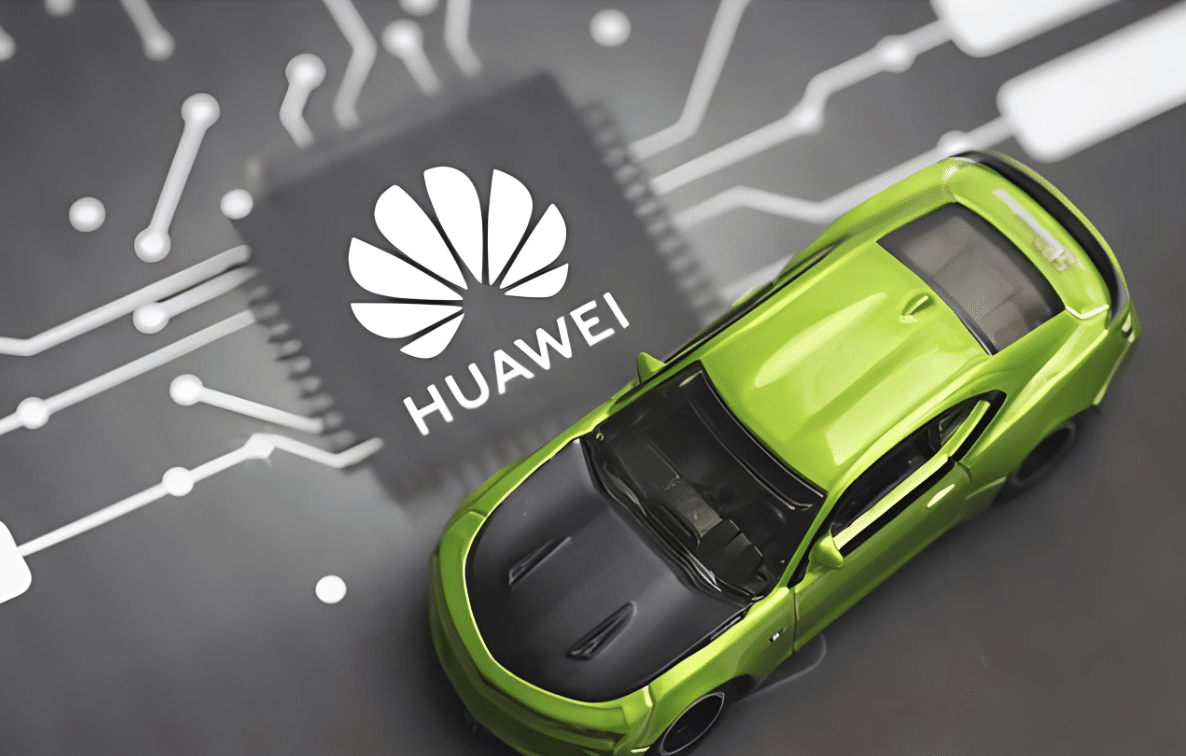
Huawei and SP Mobility have unveiled an ultra-fast EV charging solution designed to significantly cut charging times, addressing one of the biggest barriers to EV adoption.
Electric vehicles have made steady gains, but charging speed remains a persistent friction point. Huawei and SP Mobility are betting that infrastructure—not batteries alone—can change that.
The two companies have unveiled an ultra-fast charging system aimed at dramatically reducing the time drivers spend plugged in. While technical specifications were limited, the system is positioned for high-throughput locations such as urban hubs and fleet depots, where turnaround time matters most.
The partnership brings together Huawei’s power electronics and energy management expertise with SP Mobility’s on-the-ground deployment capabilities.
Why charging speed matters more than range
For many drivers, charging time—not driving range—is the decisive factor in EV adoption. Long waits undermine convenience, particularly for commercial fleets and ride-hailing services.
Ultra-fast chargers aim to shift that equation by compressing charging sessions to minutes rather than hours. Achieving that reliably requires not just high power output, but sophisticated thermal management and grid coordination.
Huawei’s involvement suggests a focus on smart energy systems that balance speed with stability.
Infrastructure catches up to vehicles

Automakers have steadily increased vehicle charging capabilities, but public infrastructure has lagged behind. The result is underutilized hardware potential.
By upgrading chargers rather than vehicles, infrastructure providers can unlock performance gains across existing EV fleets. That makes ultra-fast charging an attractive lever for accelerating adoption without waiting for the next battery breakthrough.
Grid and policy implications
High-power charging places significant demands on local grids. Deploying it at scale requires careful integration with energy storage, load balancing, and, increasingly, renewable sources.
Partnerships like Huawei–SP Mobility reflect how EV charging is becoming a systems problem, involving utilities, policymakers, and technology vendors.
A competitive landscape heats up
Ultra-fast charging is a crowded field, with players racing to define standards and secure prime locations. Early deployments that prove reliable could shape long-term infrastructure decisions.
For Huawei, the project extends its push into energy and mobility technologies beyond telecommunications. For SP Mobility, it offers differentiation in an increasingly competitive market.
If the system performs as promised, it could help make EV charging feel less like a compromise—and more like a refueling stop.



