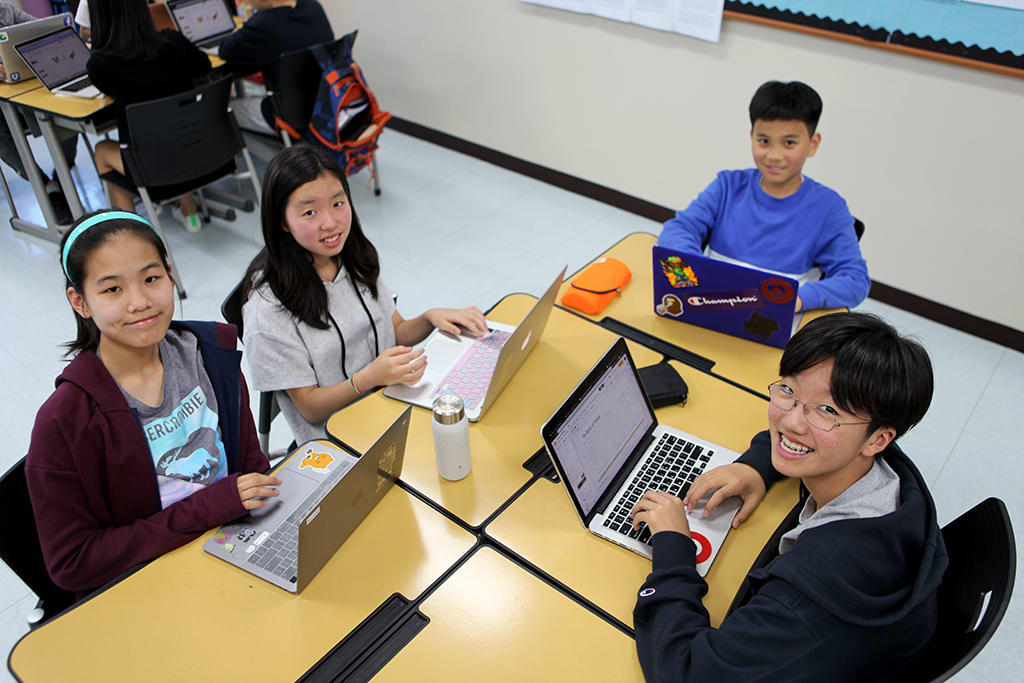
South Korea’s SMEs and Startups Agency is partnering with private industry to deliver hands-on AI training, targeting smaller firms that struggle to attract specialized talent.
South Korea’s AI ambitions are running into a familiar constraint: talent does not scale as fast as technology.
To address that gap, the government-backed SMEs and Startups Agency has partnered with private-sector companies to expand applied AI training for small and medium-sized enterprises. The initiative is designed to move beyond theory, focusing instead on practical skills that SMEs can deploy immediately.
The strategy reflects a growing recognition that AI adoption will stall without a broader, more accessible talent base.
Why SMEs are the bottleneck
Large corporations can recruit experienced AI engineers and invest heavily in internal training. SMEs rarely have that luxury.
Many smaller firms understand AI’s potential but lack the expertise to integrate it into operations, from automation and analytics to customer-facing tools. The result is a widening productivity gap between large enterprises and the rest of the economy.
By partnering directly with industry, the agency aims to ensure training aligns with real-world use cases rather than abstract curricula.
Industry-led, not academic-first
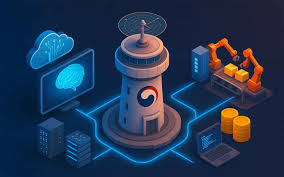
The programs emphasize collaboration with companies already deploying AI in production environments. That means exposure to actual workflows, data challenges, and deployment constraints—not just model theory.
This approach mirrors a broader shift in workforce policy, where governments increasingly rely on industry to define what “job-ready” means in fast-moving fields like AI.
For startups, the benefit is immediate applicability. For policymakers, it offers a faster return on investment.
A pragmatic take on AI readiness
South Korea has invested heavily in AI research and infrastructure, but diffusion across the economy has been uneven. Training initiatives like this one are meant to accelerate adoption where it lags most.
Rather than trying to turn every worker into a researcher, the focus is on building functional literacy—enough expertise to deploy, manage, and evaluate AI systems responsibly.
Scaling impact beyond pilot programs
The challenge will be scale. Training a limited cohort is not enough to transform the SME landscape.
Still, the partnership signals a pragmatic shift: AI competitiveness depends not only on frontier innovation, but on how widely capabilities are shared.
For South Korea’s SMEs, the message is clear. The next phase of AI growth is less about breakthroughs—and more about participation.