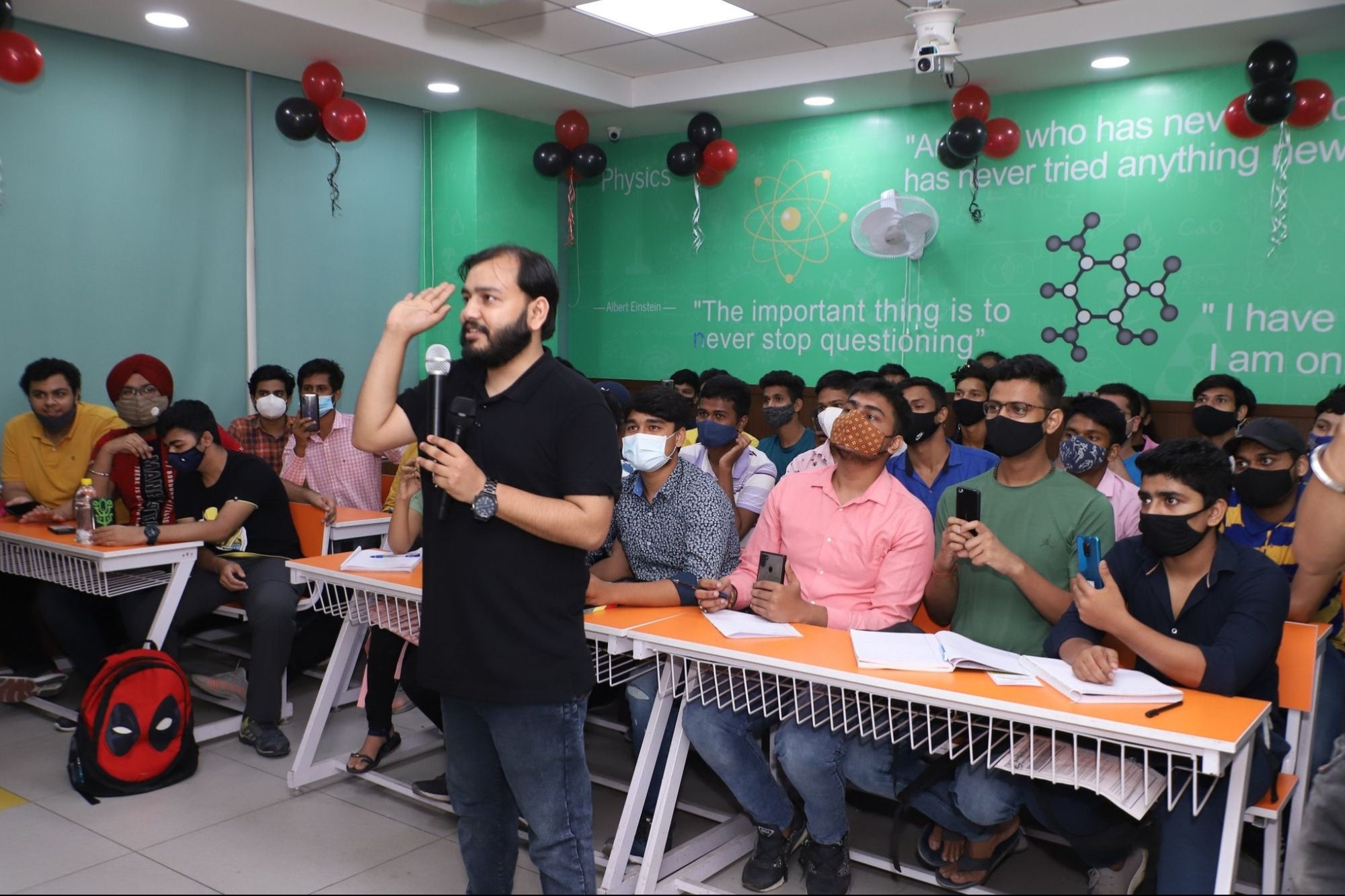
PhysicsWallah is expanding its offline school and coaching presence, signaling a strategic shift as India’s edtech sector moves from hypergrowth to sustainability.
For years, PhysicsWallah represented the promise of digital education in India: massive reach, low prices, and scale driven by smartphones rather than classrooms.
Now, it is returning to school.
PhysicsWallah has been steadily expanding its offline footprint—launching physical schools, coaching centers, and hybrid learning models that blend in-person instruction with its online platform. The move may appear counterintuitive for a company built on internet-first education. In reality, it reflects how the economics of edtech have changed.
The limits of online-only education
Online education unlocked access at unprecedented scale, particularly during the pandemic. But scale did not always translate into stability.
Completion rates remained uneven, student outcomes varied widely, and customer acquisition costs rose as competition intensified. Parents and students—especially at critical exam stages—continued to value structure, accountability, and face-to-face teaching.
PhysicsWallah’s shift acknowledges a simple truth: for many learners, discipline matters as much as content.
Offline isn’t a retreat—it’s leverage
By moving into physical classrooms, PhysicsWallah is not abandoning its digital roots. It is leveraging them.
Offline schools and coaching centers provide predictable revenue, stronger retention, and deeper engagement. They also reduce reliance on expensive digital marketing by anchoring the brand locally.
In India’s education market, trust is built physically. A building, a classroom, and a teacher remain powerful signals—especially outside major metros.
Hybrid becomes the default model
The company’s approach reflects a broader convergence in edtech. Pure online platforms are adding offline touchpoints, while traditional coaching institutes are layering in apps and digital tools.
Hybrid models allow companies to optimize costs and outcomes: recorded lectures scale efficiently, while in-person sessions reinforce learning and motivation.
For PhysicsWallah, which already commands large online audiences, offline expansion is a way to deepen value per student rather than chase endless new users.
A signal to the edtech sector

PhysicsWallah’s move is not happening in isolation. Across India’s edtech ecosystem, companies are shifting from growth-at-all-costs to sustainable operations.
Offline expansion signals confidence, not contraction. It suggests the company believes demand is durable enough to justify long-term infrastructure investments.
It also reflects investor expectations. Predictable cash flows and tangible assets matter more in a cautious funding environment.
Back to school, but on new terms
PhysicsWallah is not returning to the old education model. It is redefining it.
By combining scale from digital platforms with stability from physical classrooms, the company is positioning itself for the next phase of India’s education market—one where outcomes, not downloads, define success.
Going back to school, in this case, is less about nostalgia and more about realism.
In edtech’s maturing era, the future looks increasingly hybrid.