Alibaba has unveiled an open-source AI model designed for robotics, highlighting intensifying competition to build foundation models for physical-world automation.
The race to extend AI beyond screens and into the physical world is gaining momentum.
Alibaba has released an open-source AI model aimed at powering robotics and embodied intelligence, adding to a growing field of foundation models designed to help machines perceive, reason, and act in real-world environments.
The move positions Alibaba more directly in a global contest that includes Big Tech firms, startups, and research labs.
Why embodied AI matters
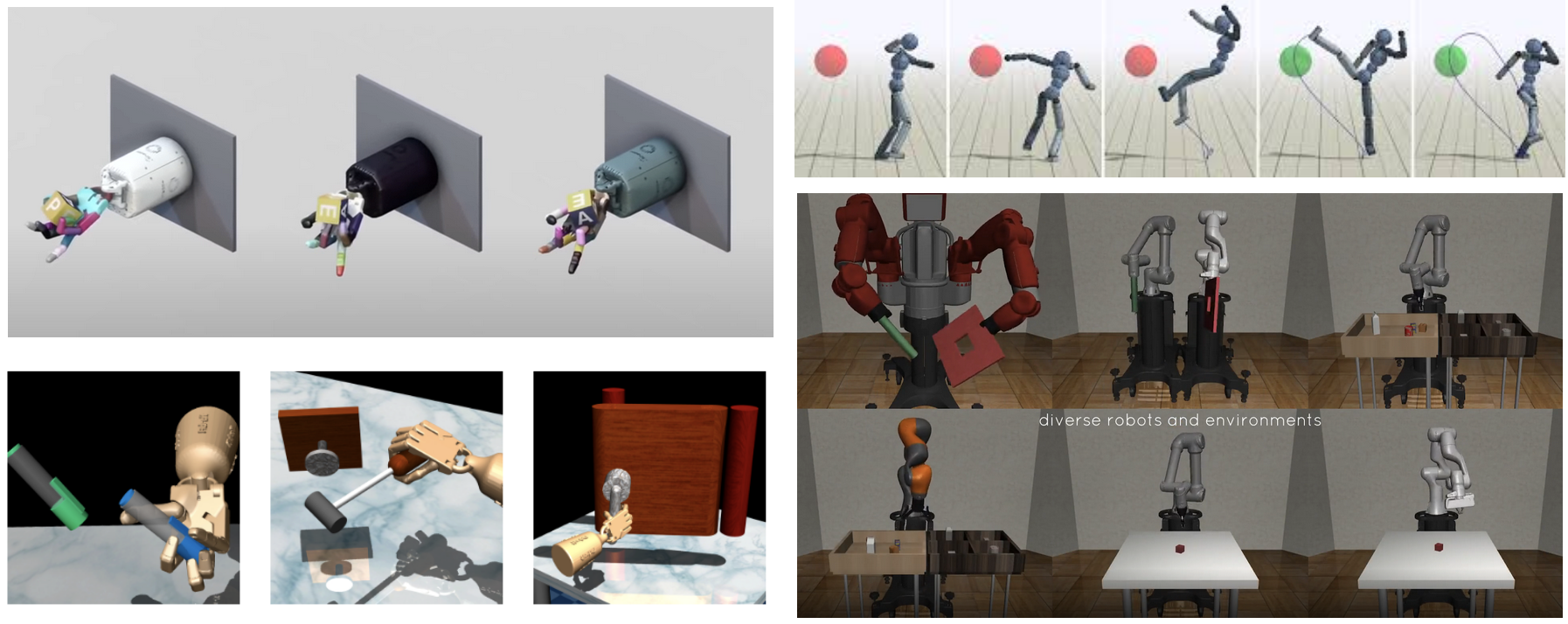
Embodied AI refers to systems that can interact with the physical world—robots that move, manipulate objects, and adapt to changing environments.
Unlike text or image models, robotics AI must contend with physics, uncertainty, and real-time decision-making.
Progress in this area is seen as critical to unlocking automation in manufacturing, logistics, healthcare, and service industries.
Open source as a strategic choice
By open-sourcing the model, Alibaba is signaling that ecosystem adoption matters as much as proprietary advantage.
Open models can accelerate experimentation by researchers, startups, and hardware makers, potentially establishing de facto standards.
This approach mirrors earlier strategies in cloud and AI infrastructure, where scale and community often trump exclusivity.
Competition is intensifying

Alibaba’s release comes as global players invest heavily in robotics-focused AI. Companies are racing to build general-purpose models that can transfer skills across tasks and environments.
While no single model has yet achieved broad real-world deployment, momentum is building as compute power, simulation tools, and data availability improve.
Alibaba’s entry adds weight to the idea that robotics AI is becoming a mainstream priority rather than a niche research area.
China’s growing role in robotics AI
China has long been a major market for industrial robots. Increasingly, it is also positioning itself as a developer of core AI technologies that power those systems.
Alibaba’s move reflects broader national ambitions to lead in advanced manufacturing and intelligent automation.
Open-source releases can also help attract global collaborators despite geopolitical tensions.
From labs to deployment
The challenge ahead lies in translating models into reliable, deployable systems. Robotics AI must perform consistently in messy, unpredictable environments—far from the controlled settings of simulations.
Still, the open release lowers barriers for experimentation and adaptation.
As embodied AI advances, the winners may not be those with the most secretive models—but those whose systems are most widely tested, improved, and trusted in the real world.