Honda has flagged $1.7 billion in EV-related charges while reviewing its electric vehicle strategy, reflecting broader caution among automakers on the pace of the EV transition.
Even automakers that remain committed to electrification are recalibrating how fast they get there.
Honda has warned it expects to take roughly $1.7 billion in charges tied to its electric vehicle business as it reviews its EV strategy. The move comes amid softer-than-expected EV demand in several key markets and intensifying cost pressures across batteries, software, and supply chains.
The announcement underscores a growing industry shift from aggressive expansion to more measured execution.
What the charges reflect
The expected charges are linked to asset impairments and strategic adjustments rather than a retreat from EVs altogether. Honda has said it remains committed to electrification over the long term but is reassessing timelines, model mix, and capital allocation.
Like several peers, the company is grappling with the reality that EV adoption is not progressing evenly across regions.
In some markets, demand growth has slowed as subsidies taper and affordability concerns rise.
A broader industry reset
Honda’s move mirrors actions by other global automakers that have recently delayed launches, trimmed production targets, or slowed factory investments.
The initial wave of EV enthusiasm assumed rapid, linear adoption. Instead, the market is proving cyclical, price-sensitive, and infrastructure-dependent.
For manufacturers, that means balancing long-term decarbonisation goals with near-term financial discipline.
Batteries and costs remain the bottleneck
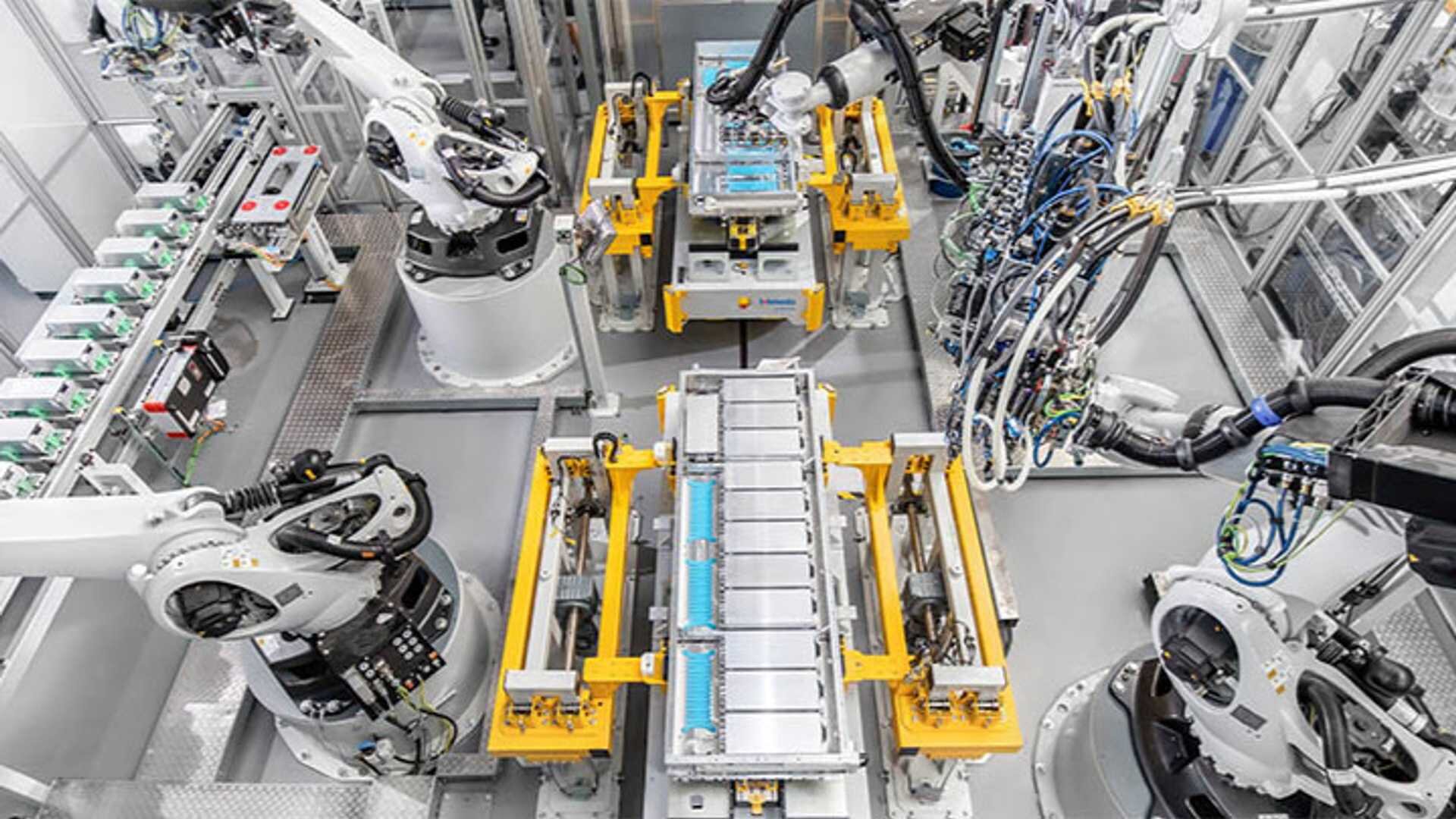
Battery costs remain the single largest driver of EV economics. While prices have fallen over the past decade, volatility in raw materials and intense competition for supply have complicated planning.
Honda has invested heavily in battery partnerships and next-generation platforms, but those bets carry upfront costs that are difficult to absorb when volumes lag expectations.
The review suggests a desire to better align spending with realistic demand curves.
Strategic caution, not abandonment
Honda has been careful to frame the charges as part of a strategic review rather than a rollback. The company continues to invest in hybrid vehicles, which are seeing renewed consumer interest as a bridge technology.
Hybrids offer emissions reductions without the infrastructure constraints that still limit EV adoption in many regions.
That flexibility is increasingly attractive to automakers navigating uncertain transitions.
What this signals for the EV transition
Honda’s announcement adds to evidence that the EV shift is entering a more complex phase.
The transition is no longer about proving viability, but about managing cost, timing, and consumer readiness.
For policymakers and investors, the message is clear: electrification remains the destination—but the road there may be longer and less predictable than once assumed.