
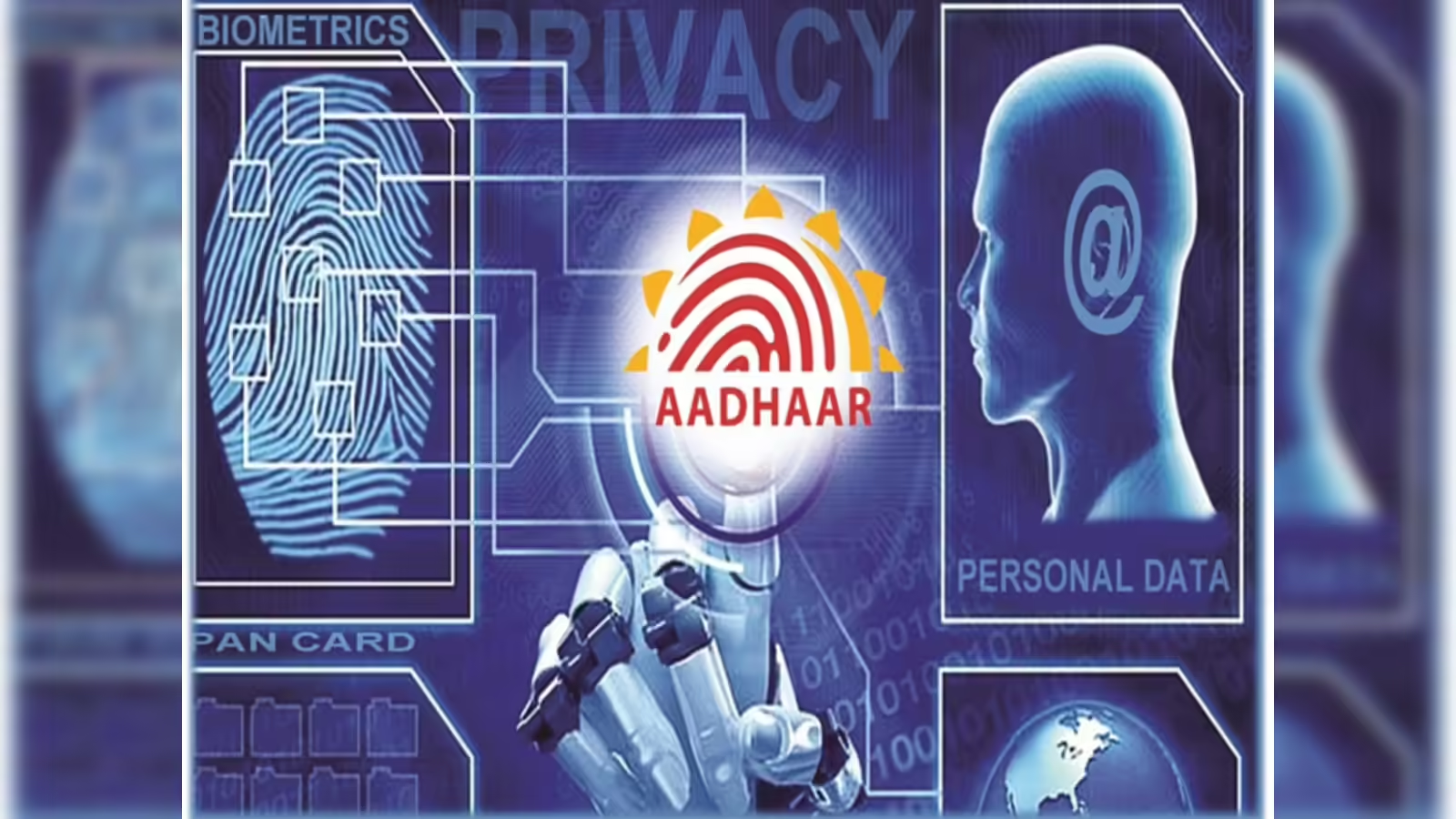
India is expanding the use of Aadhaar across more services, strengthening digital governance while reviving concerns about privacy and data protection.
India’s digital identity system is becoming harder to avoid.
The government is moving to make Aadhaar more widely embedded across public and private services, reinforcing its role as foundational infrastructure for the country’s digital economy. Supporters argue the expansion improves efficiency and inclusion. Critics say the pace of adoption continues to outstrip meaningful privacy safeguards.
The tension between scale and protection is resurfacing.
Aadhaar’s expanding footprint
Originally launched to streamline welfare distribution, Aadhaar is now used for authentication across banking, telecom, healthcare, and government services.
Recent changes aim to simplify verification processes and encourage broader integration, making Aadhaar a default layer for identity checks in everyday transactions.
For a country with over a billion residents, that scale is unprecedented.
Efficiency versus consent
Proponents argue Aadhaar reduces fraud, cuts administrative costs, and enables faster service delivery. For many users, especially those previously excluded from formal systems, it has lowered barriers to access.
Privacy advocates counter that ubiquity can erode meaningful consent. When Aadhaar becomes the easiest—or only—option, opting out becomes theoretical rather than practical.
That dynamic is at the heart of the criticism.
Safeguards still under scrutiny
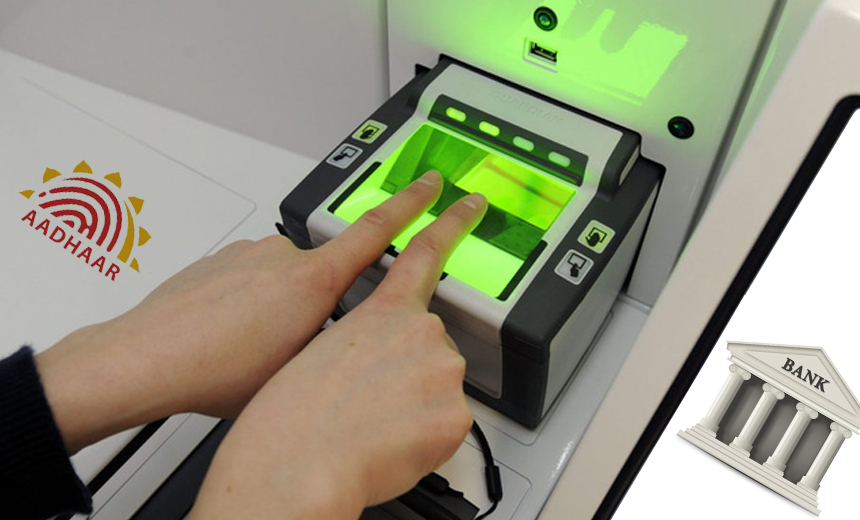
India has introduced legal and technical measures intended to limit misuse, including restrictions on data sharing and authentication logs.
However, critics argue enforcement remains weak and redress mechanisms unclear. Concerns persist about function creep, data breaches, and the long-term implications of centralizing biometric identifiers.
Trust, they argue, depends not just on policy, but on accountability.
A global reference point
Aadhaar is closely watched by governments worldwide exploring digital ID systems. Its success demonstrates what is possible at national scale; its controversies highlight the risks.
As digital identity becomes central to governance, India’s experience is shaping international debates on how far such systems should go.
An unresolved balance
India shows no sign of slowing Aadhaar’s expansion. The system is now deeply woven into how services operate.
The unresolved question is whether privacy protections will evolve at the same pace.
For a system this large, the stakes are not abstract. They are personal, persistent, and increasingly unavoidable.



